



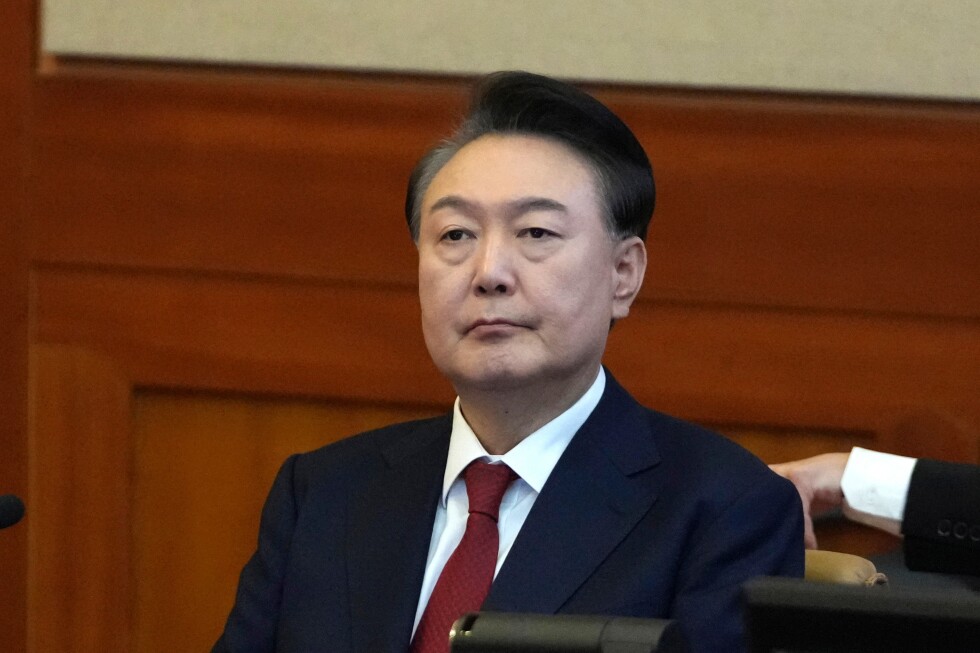
SEOUL, South Korea (AP) — On Thursday, former South Korean President Yoon Suk Yeol was convicted of leading an insurrection and sentenced to life imprisonment for his brief declaration of martial law in 2024, marking a significant conclusion to the nation’s greatest political turmoil in decades.
The conservative leader was removed from power after he announced martial law and deployed troops around the National Assembly on December 3, 2024, in a perplexing move to counter a legislature dominated by his liberal opponents.
Judge Jee Kui-youn of the Seoul Central District Court found Yoon, 65, guilty of rebellion for illegally mobilizing military and police forces in a failed attempt to seize control of the Assembly, detain political rivals, and create unchecked power for an unspecified duration.
Martial Law Crisis Echoes Authoritarian History
Yoon’s imposition of martial law, the first in over 40 years, recalled South Korea’s historical military-led regimes that occasionally enforced emergency measures, deploying soldiers and military vehicles to suppress anti-government protests.
While lawmakers tried to reach the National Assembly, Yoon’s martial law command issued a decree granting extensive powers to suspend political activities, regulate media and publications, and make arrests without warrants. This decree was in effect for about six hours before lawmakers broke through the military barricade to unanimously vote to revoke it.
Yoon’s Legal Team Denies Wrongdoing
Yoon, showing little emotion, stared ahead as the judge read the sentence in the same courtroom that has historically witnessed convictions of former military leaders and presidents for treason and other misdeeds. Yoon’s attorney, Yoon Kap-keun, alleged the verdict was predetermined and solely based on the prosecution’s case, indicating a collapse of the “rule of law.” Yoon maintained that the martial law decree aimed to highlight the liberal government’s inefficacy and that he would respect legislative decisions.
Prosecutors stated that Yoon’s actions were clear attempts to disable the legislature and block a vote to lift the martial law, which exceeded his constitutional authority. The court also found five former military and police officials guilty for their roles in enforcing Yoon’s decree, including ex-Defense Minister Kim Yong Hyun, who received a 30-year sentence for facilitating the law’s implementation and ordering the arrest of numerous key politicians.
Public Response and Future Proceedings
As Yoon arrived at court, hundreds of police monitored the situation, with supporters rallying outside while opponents called for the death penalty. Following the verdict, there were no immediate signs of major unrest. A special prosecutor had sought the death penalty, citing a severe threat to democracy, though many had anticipated a life sentence due to the lack of casualties resulting from the poorly executed takeover.
Yoon’s sentencing makes him the first former South Korean president to receive a life sentence since former military dictator Chun Doo-hwan, who was initially sentenced to death in 1996 for his 1979 coup and subsequent political violence before having his sentence commuted to life imprisonment. Chun was released in late 1997 under a special pardon and passed away in 2021.
