


Changes to Jury Trials in England and Wales
The justice secretary has announced the elimination of jury trials in England and Wales for crimes likely to incur sentences of less than three years. This part of broader reforms aims to address significant delays in the court system.
Introduction of “Swift Courts”
Under the new plan, known as “swift courts,” serious offenses such as murder, robbery, and rape will still be tried by jury. Meanwhile, volunteer community magistrates will take on additional responsibilities to help alleviate the backlog.
Reactions to the Reforms
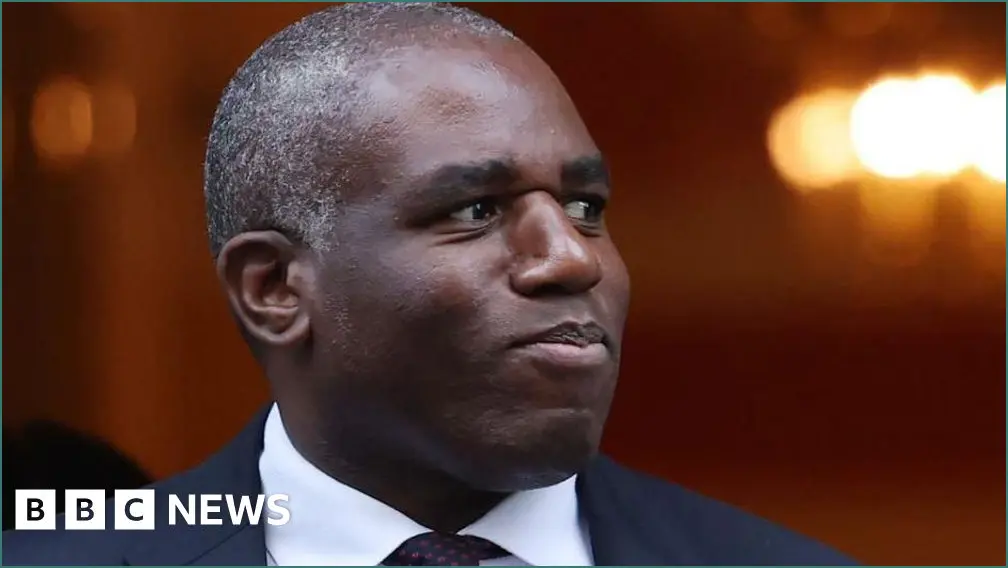
David Lammy termed the reforms “bold” yet “necessary,” but opposition members criticized them as the “beginning of the end of jury trials.” Retired Court of Appeal judge Sir Brian Leveson was tasked to propose solutions to the court backlog since December 2024, suggesting alternatives like jury-free trials and increased out-of-court settlements.
Adjustment to Initial Proposals
Though earlier leaked plans aimed to remove jury trials for crimes with potential sentences of up to five years, Lammy announced a retreat from these more radical changes. He assured that the new system would expedite case resolutions by one-fifth compared to traditional jury trials.
Impacts of the Backlog
The Crown Court is projected to face a case load of 100,000 by 2028, exacerbated by a backlog of nearly 78,000 cases. Currently, individuals charged could wait until 2030 for trial, leading to about 60% of rape victims withdrawing from the prosecution due to delays.
Defendants’ Rights and Future of Jury Trials
Changes will limit defendants’ rights to request jury trials in cases suitable for either magistrates or a new judge-only Crown Court. Defendants involved in fraud and complex financial crimes will no longer be eligible for jury trials. However, serious offenses like rape, murder, and aggravated burglary will continue to guarantee jury trials.
Concerns and Criticism
The reforms have drawn criticism from legal professionals, stating they won’t effectively address the backlog, which they attribute to budget cuts in the Ministry of Justice. Critics voice concerns that jury trials are essential for fair hearings, especially for ethnic minorities. Suggestions for improved court resources and procedures have been made, emphasizing the importance of preserving public trust in the justice system.
