


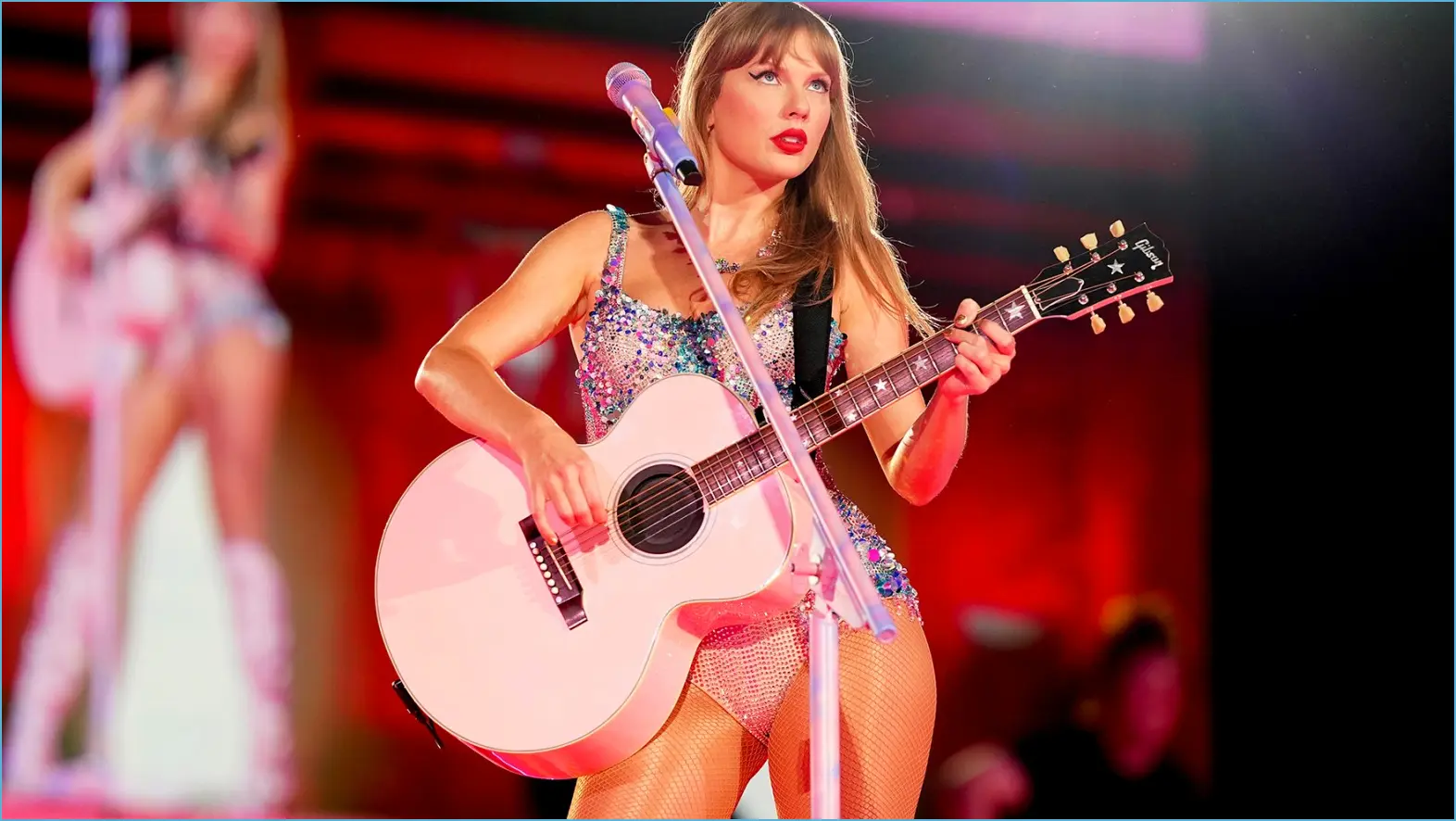
Taylor Swift’s New Album and Controversy
The launch of Taylor Swift’s The Life of a Showgirl in early October was a significant cultural moment, celebrated by fans and critics alike. It quickly became the fastest-selling album of all time, leading to intense analysis of its songs, visuals, and accompanying merchandise. Fans eagerly searched for hidden messages, or “Easter eggs,” that Swift is known to embed in her carefully curated public persona.
Escalating Online Discourse
Discussions about the album soon took a bizarre turn, with accusations suggesting that Swift supports the MAGA movement, traditional gender roles, and even white supremacy. Although some far-right groups previously aligned themselves with Swift, claiming her as a symbol of “Aryan” superiority despite her liberal advocacy, this marked a notable shift in attempts to cancel her over assumed connections. Critics scrutinized her choice of words and symbols from her merchandise, alleging racist interpretations and connections to Nazi references.
Fans Push Back
In response to the alarming claims, Swift’s supporters lamented the heightened political climate, criticizing left-leaning commentators for their exaggerated interpretations. Fans expressed concerns that such extreme reactions undermine genuine efforts towards social progress, with one Reddit user noting that these debates reinforce narratives of hysteria among liberals.
Research on Misinformation
Recent research by GUDEA, a behavioral intelligence firm, revealed that Swift’s defenders were inadvertently engaging with a fabricated narrative propagated by a small cluster of inauthentic social media accounts. Analyzing over 24,000 posts, they found that merely 3.77 percent of accounts drove 28 percent of discourse regarding Swift’s album, fueling the spread of inflammatory content.
The Role of Algorithms
As provocative content about Swift emerged, often from niche platforms before reaching mainstream channels, it became amplified by algorithmic dynamics. Researchers noted a significant overlap in users promoting false narratives about Swift and other controversies, showcasing a sophisticated effort to manipulate public perception through misinformation.
Implications of Online Manipulation
GUDEA’s findings also indicated that deceptive narratives don’t just remain on the fringes. Instead, they often enter wider discussions, influencing public sentiment even when the original claims lack credibility. The patterns of interaction suggest that the goal of such misinformation is to provoke authentic users into discussions that enhance visibility for these inflated claims.
Conclusion: Questioning Intentions
The motivations behind these orchestrated attacks on Swift remain unclear, yet the tactics are evident: inciting genuine responses to amplify inflammatory narratives. As individuals scroll through social media, they should recognize that sensationalized opinions may be strategically designed to elicit outrage, urging them to remain critical of the narratives they encounter.
