


MEXICO CITY (AP) — A British baker’s harsh critique of Mexican bread has sparked significant backlash on social media, prompting a public apology.
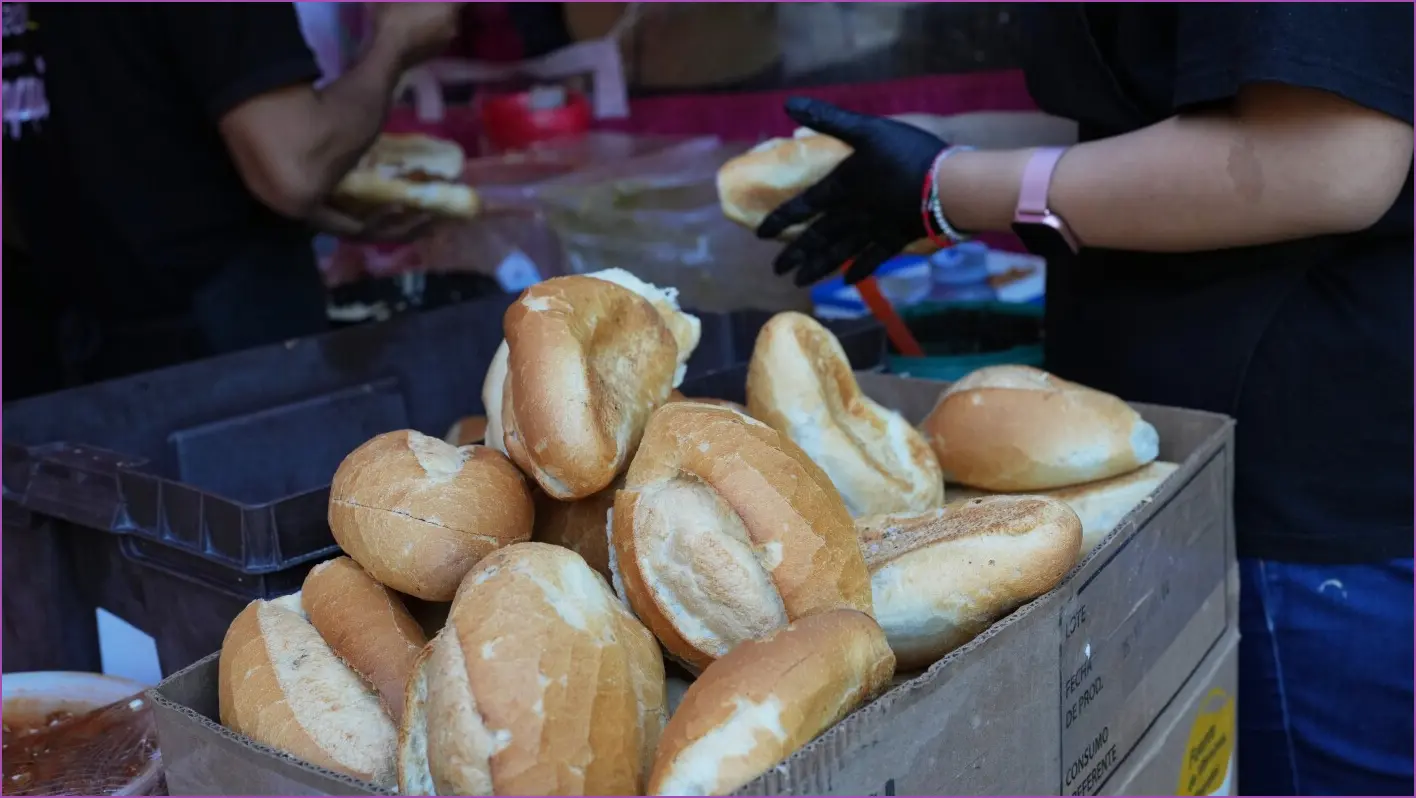
In a recently resurfaced podcast interview, Richard Hart, co-founder of Green Rhino bakery in Mexico City and a notable figure in global baking, claimed that Mexicans “don’t really have much of a bread culture,” while describing the typical white rolls used for sandwiches as “ugly” and mass-produced.
His remarks quickly spread across platforms like Instagram, TikTok, and X, where many Mexicans accused him of belittling their traditional breads.
This controversy over bread quickly escalated into a national dialogue about food identity, focusing on who gets to define Mexican culinary traditions amid rising foreign influence in a city already adapting to an influx of U.S. expats and tourists.
‘Don’t Mess with the Bolillo’
Social media became inundated with memes, reaction videos, and passionate defenses of Mexican bread. Users celebrated everyday staples like the crusty bolillos for tortas and the beloved conchas found in local bakeries. These simple foods often embody a vital part of the country’s cultural identity.
While wheat bread made its debut in Mexico during colonial times, it evolved into a distinctive national tradition, merging European techniques with local flavors. Today, neighborhood bakeries play a crucial role in the daily lives of residents, serving as both food sources and social hubs.
‘An Opportunity to Learn’
As criticism mounted, Hart issued a public apology via Instagram, acknowledging that his comments were poorly articulated and failed to show proper respect for Mexico and its people. He expressed regret and recognized the emotional response to his remarks, stating, “I made a mistake. I regret it deeply.”
The Associated Press sought comments from Green Rhino bakery, but representatives declined to respond. Hart, who has gained experience at prominent bakeries in the U.S. and Europe, is now part of Mexico City’s burgeoning artisanal bread scene, which caters primarily to middle and upper-class consumers seeking high-end baked goods.
While some accepted Hart’s apology, others felt it did not adequately address underlying issues about cultural authority and who is entitled to critique Mexican traditions. “If you want to be part of Mexican culture by owning a restaurant or bakery, you have to educate yourself,” said Daniela Delgado, a university student.
Others, like chef Josué Martínez from the Mexican Culinary School, welcomed the debate, viewing it as a chance for a deeper discussion. Although Mexican bread has faced domestic criticism for its reliance on industrial processes and white flour, many believe such conversations should come from Mexicans rather than foreign entrepreneurs.
“It’s an opportunity to learn about the culture of Mexican breadmaking and pastry, to take pride in it, and to highlight our ingredient richness,” Martínez emphasized.
___
Follow AP’s coverage of Latin America and the Caribbean at https://apnews.com/hub/latin-america
