


Top Motorcycles of the 1970s: Speed Legends
The motorcycle industry underwent significant transformations in the 1970s, particularly due to the 1970 Clean Air Act, which profoundly impacted two-stroke motorcycles. These bikes, known for their high power-to-weight ratios, struggled to meet the new emission standards, leading manufacturers to adopt four-stroke engines instead. Though it seemed that speed would decline, this era actually marked the rise of the liter-bike class and innovations in aerodynamics, resulting in substantial increases in top speeds.
For example, while the 1969 Honda CB750 achieved a top speed of 125 mph, the 1970s witnessed bikes surpassing the 150 mph milestone. This article highlights ten of the fastest motorcycles from this remarkable decade, showcasing unique designs and engineering advancements.
1975 MV Agusta 750S America (130 mph)
Before discussing its stellar performance, the MV Agusta 750S America deserves praise for its stunning aesthetics. Featuring a sculptural fairing and elegant exhaust pipes, this motorcycle houses a 743cc air-cooled four-cylinder engine that produces 65 hp. It reportedly reaches a top speed of 130 mph, although some tests indicated lower speeds due to aerodynamic differences. The 1975 model enhanced this performance further with a higher capacity engine, showcasing its racing pedigree with an impressive chassis and braking system.
1973 Van Veen OCR 1000 (132 mph)
The Van Veen OCR 1000 is a fascinating entry, equipped with a rotary Wankel engine, which was gaining popularity in the 1970s. This 996cc engine generates 100 hp, allowing the bike to reach a top speed of 132 mph. The prototype originally utilized a Mazda engine, later modifications included a four-speed gearbox and unique frame designs. Despite its innovative engineering, high costs limited its market success.
1977 Yamaha XS1100 (135 mph)
Launching a significant shift in Yamaha’s approach to speed, the XS1100 debuted in 1978 with an 1101cc engine that delivered an impressive 95 hp. This bike could achieve 135 mph and featured a sturdy design with dual disc brakes and comfortable touring capabilities. Despite its weight, it maintained excellent control, making it a favorite among speed enthusiasts.
1973 Kawasaki Z1 900 (135 mph)
With the Z1 900, Kawasaki broke new ground with a claimed top speed of 135 mph using a 903cc engine that produced 82 hp. While some tests recorded lower results, the bike demonstrated impressive acceleration and durability, even setting a 24-hour speed record. Its performance relative to its weight showcased Kawasaki’s engineering prowess amidst the demanding emission standards of the time.
1975 Ducati 900 Super Sport (135 mph)
Competing fiercely in the market, Ducati launched the 900 Super Sport, featuring an innovative V-twin engine. Delivering 79 hp, it combined great design with aerodynamics, achieving a top speed of 135 mph. Its lightweight build and advanced features contributed to its agility, showcasing Ducati’s determination to rival the competition effectively.
1978 Suzuki GS1000 (137 mph)
Taking the world by storm, the Suzuki GS1000 utilized a 997cc engine generating 86 hp, allowing it to reach 137 mph. This model marked Suzuki’s entry into the liter-class segment by demonstrating both speed and stability, winning critical acclaim in races. Its engineering innovations also set new standards for motorcycle performance during its time.
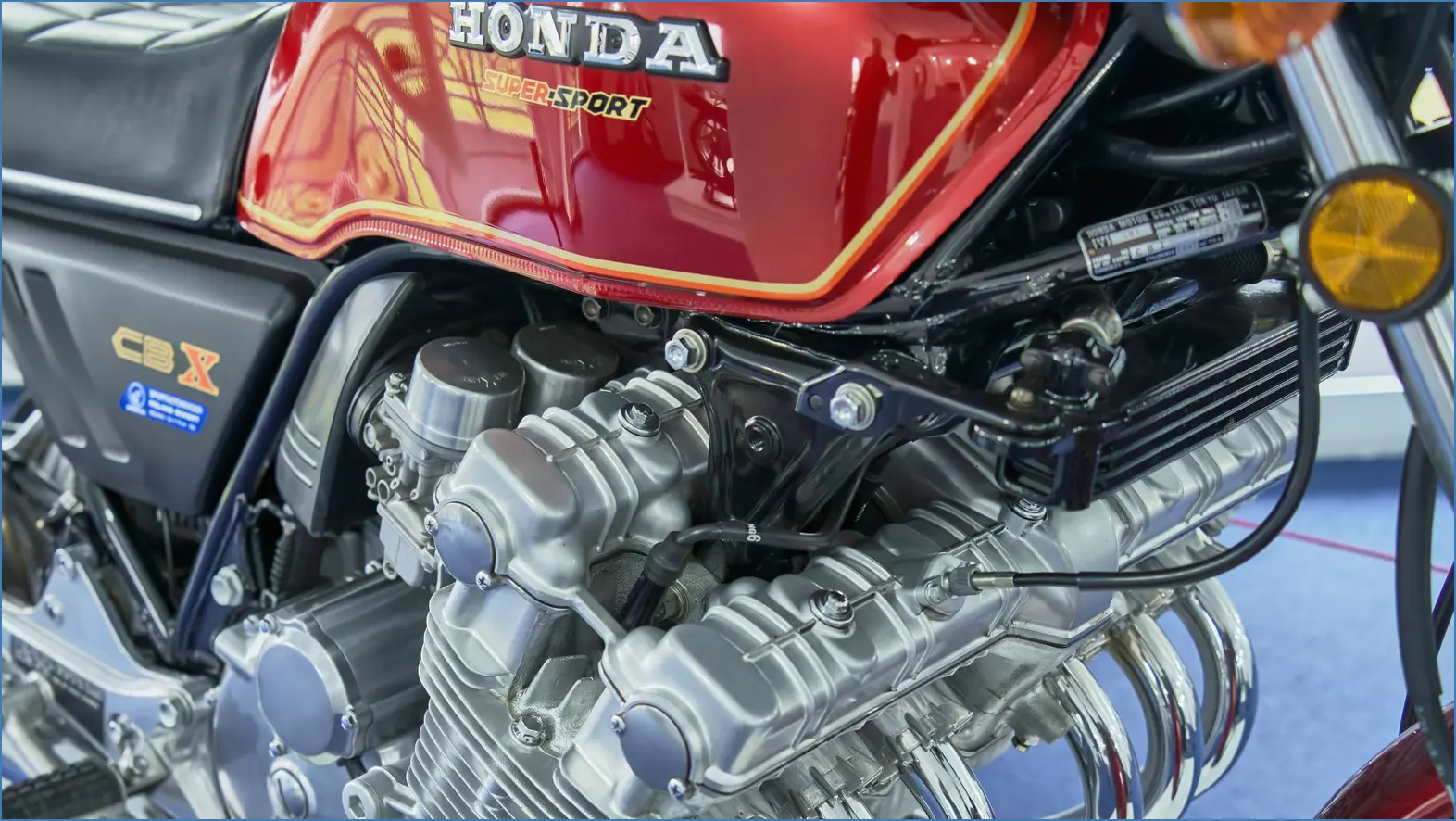
1978 Honda CBX1000 (140 mph)
The Honda CBX1000 emerged in 1978 with a revolutionary six-cylinder engine delivering 105 hp — a standout in production motorcycles. Its design and engineering innovations were notable, allowing it to achieve a remarkable top speed of 140 mph. The effort to reduce weight and improve performance made this bike a significant milestone in motorcycle history.
1978 Bimota KB1 (140 mph)
The Bimota KB1, launched in 1978, featured the Kawasaki Z1000 engine but was distinguished by its advanced frame and lightweight design, achieving a top speed of around 140 mph. It stood out for its balance and handling, coupled with impressive specifications that rivaled contemporary models, although its rarity makes it a coveted collector’s item today.
1976 Laverda Jota (140 mph)
By producing the Jota in 1976, Laverda became the first manufacturer to create a bike exceeding 140 mph. The Jota’s 981cc engine outputted 97 hp, emphasizing both speed and style. Its impressive performance in comparisons against stronger rivals further solidified its place in motorcycle history.
1979 Dunstall Suzuki GS1000 CS (154 mph)
Crowning the decade was the Dunstall Suzuki GS1000 CS, which achieved a staggering top speed of 154 mph. Enhanced through aftermarket tuning, including optimized aerodynamics and upgraded engine components, it demonstrated how critical design is to performance. Its legacy, along with its rarity, makes it a prized model among enthusiasts.
