


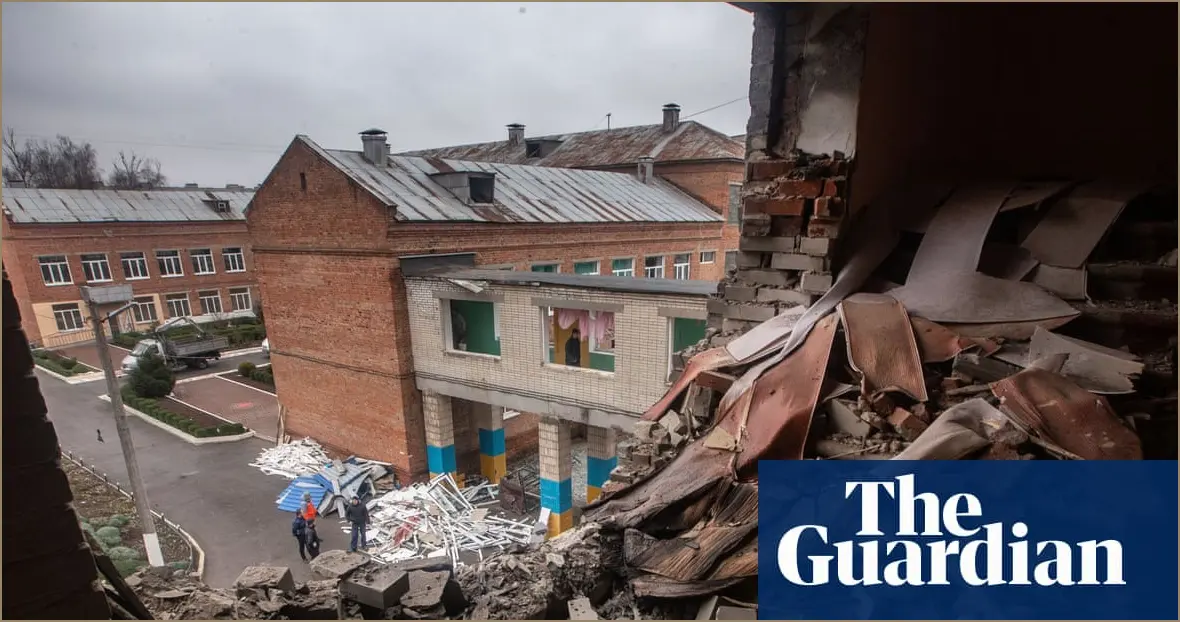
The Ukrainian forces are engaged in combat to counter a Russian offensive in the Sumy region, as reported on Sunday, following claims that Moscow forcibly relocated 50 individuals from a local border village. This movement signals a renewed Russian effort in an area that had been mostly free from significant ground clashes since Ukraine reclaimed territories during a counteroffensive in 2022. “Battles are currently taking place in Grabovske,” stated Ukraine’s joint taskforce, noting that their soldiers are “working to push the occupiers back into Russian territory.” They also dismissed media claims of Russian forces being present in the adjacent Ryasne village. Earlier, Ukraine’s human rights ombudsman indicated that Russian troops had taken around 50 residents from Grabovske to Russia. No official response has come from Russia. On Saturday, the Russian military claimed to have seized the nearby village of Vysoke.
US and Ukrainian representatives released a joint statement on Sunday stating that discussions in Miami were described as “productive and constructive”, yet they did not reveal any significant breakthroughs in ceasing the Russian invasion. Over the past three days in Florida, the Ukrainian delegation participated in a series of fruitful meetings with American and European allies, according to Donald Trump’s special envoy Steve Witkoff and Ukraine’s chief negotiator, Rustem Umerov. Witkoff emphasized that their mutual objective is to halt the violence, guarantee security, and establish conditions for Ukraine’s recovery and long-term stability. He stated, “Peace must not only be the end of hostilities but also a solid foundation for a promising future.”
The Kremlin refuted on Sunday claims regarding upcoming three-way discussions involving Ukraine, Russia, and the US. President Volodymyr Zelenskyy remarked the day before that Washington had proposed a trilateral format, which would be the first direct negotiations between Moscow and Kyiv in six months, but he expressed doubt about their potential for progress. Russian news outlets reported that Vladimir Putin’s main foreign policy advisor, Yuri Ushakov, informed reporters that “no one has seriously examined this initiative at this time, and as far as I know, it is not being prepared.” Meanwhile, Russian delegates have also been in southern Florida for talks with the US, with a Kremlin envoy stating that discussions had been making steady progress.
Keir Starmer communicated about efforts to achieve a “just and lasting end” to the conflict during a call with Donald Trump, as noted by the British prime minister’s office in a statement post the Florida discussions. The two leaders began by reflecting on the situation in Ukraine, and Starmer’s office indicated they discussed the initiatives of the “coalition of the willing” nations that have committed to supporting Kyiv.
Russia has renewed its criticisms of European and Ukrainian attempts to modify US proposals aimed at resolving the conflict, stating that such changes do not enhance the chances for peace. Rory Carroll reports that Putin’s aide Ushakov commented on Sunday that the suggested adjustments to the US plan could extend the conflict. “I am certain the proposals being suggested by Europeans and Ukrainians do not improve the document or the possibility of achieving lasting peace,” Ushakov stated, and while he mentioned he had not seen the proposals, he clarified that his criticism was “not a forecast.”
US intelligence assessments continue to caution that Putin has not abandoned his ambitions of seizing all of Ukraine and reclaiming parts of Europe that were part of the former Soviet Union, Reuters reported, referencing six sources familiar with the intelligence. Despite ongoing negotiations aimed at concluding the war with Russia retaining limited territory, reports dating back to late September indicate Putin’s persistent goals. These assessments contradict the Russian leader’s denials of being a threat to Europe. “Intelligence consistently shows Putin desires more,” remarked Mike Quigley, a Democratic member of the House Intelligence Committee. “The European nations are convinced of this. The Poles are absolutely sure of it. The Baltic states believe they are next.”
