


Chile to Establish 47th National Park
Chile’s government is set to designate its 47th national park, which will safeguard nearly 200,000 hectares (approximately 500,000 acres) of unspoiled wilderness. This initiative aims to complete a wildlife corridor that extends 1,700 miles (2,800 km) down to the southern tip of the Americas.
Introduction to Cape Froward
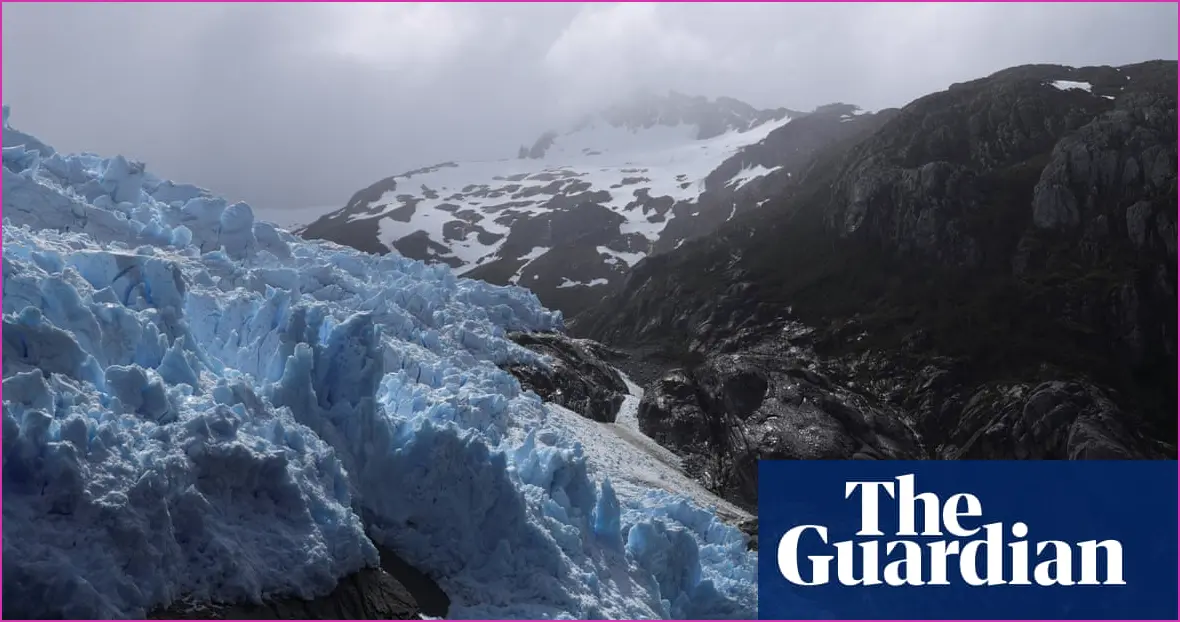
The new Cape Froward national park features a rugged coastline and lush forested valleys, known for its extraordinary biodiversity and long-standing human history. Kristine Tompkins, a prominent U.S. conservationist involved in the project, remarked, “I have visited many exceptional locations, and Cape Froward is the wildest place I have ever traversed. It’s among the few truly untamed forest and peak areas remaining in the nation, and the Indigenous heritage in the region argues for the preservation of these lands indefinitely.”
Partnership for Conservation
Tompkins Conservation, along with its successor organization, Rewilding Chile, has either created or expanded 17 national parks across Chile and Argentina. Over nearly a decade, these organizations have assembled a network of land purchases and state holdings to establish the park, culminating in a 2023 agreement with the Chilean government to donate the land.
Biodiversity and Ecosystems
In February 2023, a small population of 10 huemul, an endangered deer species, was discovered in the park. Additionally, a system of cameras frequently captures images of wild pumas and the huillín, a native river otter. The park also contains 10,000 hectares of sphagnum bogs, a moss that effectively stores carbon beneath the surface.
Historical Significance
Benjamín Cáceres, the conservation coordinator in the Magallanes region for Rewilding Chile, reflects on his early visits to Cape Froward with his conservationist father. “My father was always a dreamer,” he shares, remembering how they visited the now-abandoned San Isidro lighthouse, which is being transformed into a museum featuring the natural and cultural history of the region.
Indigenous Heritage
Archaeological sites along the shore point to the history of the Kawésqar, a nomadic Indigenous group that relied on canoes crafted from trees. “This ecosystem mosaic is vital,” says Cáceres. “The fragile bogs and forests of the sub-Antarctic, along with the cultural legacy of the Kawésqar and others, will find ways to survive in the new national park.”
Next Steps in Designation
Although plans are underway for the national park’s establishment, an Indigenous consultation process required by Chilean law in September didn’t achieve its goals. The environment ministry has announced intentions to advance plans for the park by March, but if no progress is made within two years, the lands will revert to the ownership of Tompkins’ organizations. Tompkins emphasizes the ecological importance of each park project, viewing Cape Froward as a crucial piece of a larger conservation puzzle.
