


Embracing the Past: Competing in the 2025 U.S. Hickory Open
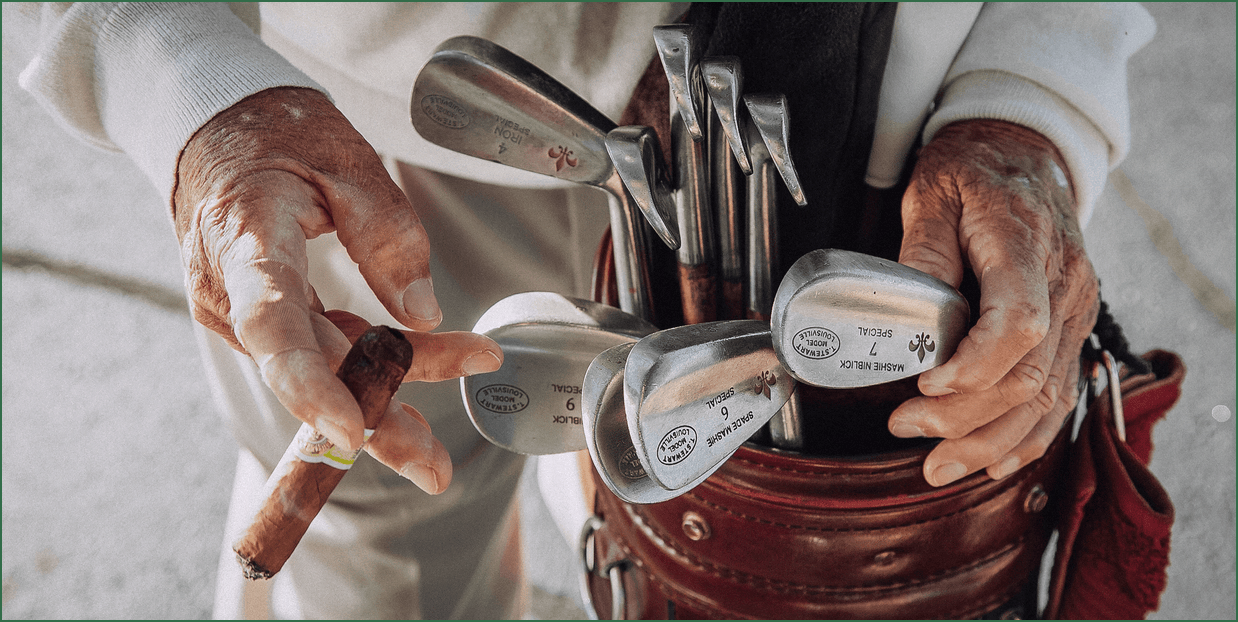
“Swing smooth.” That was the succinct advice from Bruce Markwardt before I geared up for the 2025 U.S. Hickory Open, a unique golf tournament requiring pre-1935 equipment. I was equipped with a set of hickory clubs—five irons, a wood, and a putter—all resting in a worn bag with a rusted zipper. My skepticism met Bruce’s confident gaze.
As I examined one of the clubs, an AG Spalding & Bros. Kro-Flite Sweet Spot iron stamped with a 1927 patent date, I felt a connection to the past. It reminded me of historical milestones—Lindbergh’s transatlantic flight, Babe Ruth’s home runs, my great-grandfather’s leadership in the Knights of Columbus. I gripped the club and swung it softly, sensing its weight and sturdy shaft, a reminder of its antique origins. Using hickory clubs turns a relic into a living instrument through the action of the swing.
Despite my initial hesitations, there exists a community that passionately adheres to hickory golf. Players often use antiquated terms like cleeks and mashies while donning period-appropriate attire—knickers, flat caps, ties, and colorful argyles—embracing an era long past. For them, adjusting to modern metrics seems unnecessary when one can enjoy a round in style, unfazed by contemporary pressures.
Intrigued, I reached out to Gary Krupkin, the tournament director, only to learn that entry was as simple as showing up with the required clubs and a heartbeat. Bruce, a retired Ford employee with a penchant for restoring antique golf clubs, came to my aid, assembling a beautiful set in record time, transforming neglected relics into functional treasures.
Upon meeting Bruce in Grosse Ile, Michigan, I witnessed his passion for hickory clubs firsthand. His workshop was a cluttered treasure trove of vintage clubs, and he took meticulous care in restoring each piece. After a thorough refurbishment process, he presented me with a unique set of clubs that echoed their storied past. With each iron and wood, I couldn’t help but wonder about the journeys they had taken before landing in my hands.
As I practiced with my new clubs, the mixture of anticipation and nervousness mounted. Bruce humorously advised me to adjust my expectations; playing with hickories would not be the same as my modern equipment. After purchase, I realized climbing into the hickory community comes with its own challenges, one filled with nostalgia and a different rhythm on the course.
On tournament day, I dressed in full hickory attire—brown knickers, a white shirt, and a green-blue argyle tie. The first par-3 presented its own set of challenges, and despite wanting to make a great impression, my instincts led to a rocky start. The tournament unfolded with moments of joy and frustration, reinforcing that the essence of hickory golf lies in playing for the love of the game, imperfect as it may be.
