


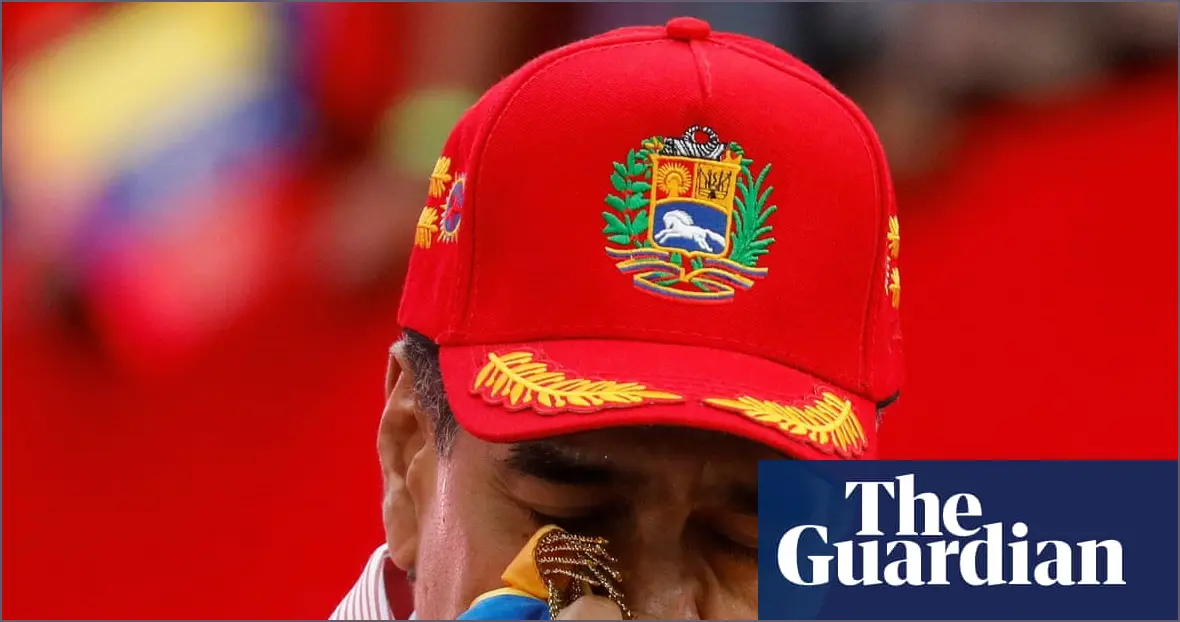
Nicolás Maduro’s Rise and Fall
Nicolás Maduro, a former bus driver and union activist, ascended from modest beginnings to govern Venezuela for over 13 years before being abruptly removed from power by US special forces, who took the 63-year-old leader and relocated him abroad.
For years, Maduro accused the US of attempting to sabotage the supposed socialist revolution initiated by his late mentor, Hugo Chávez, in 1999. Now in US custody, he faces drug-related charges that could result in a lengthy prison term.
Venezuelans are likely to judge him harshly as well. Under Maduro’s leadership, Venezuela’s economy collapsed, causing millions to escape the country in search of a more competent, less corrupt, and less repressive government.
Born on November 23, 1962, Maduro began his political journey as president of the student union in José Ávalos high school, located in a working-class area of Caracas. Although he never graduated, he was known as a strong and conciliatory figure. After receiving his only formal education in Cuba, he returned to Caracas as a bus driver, eventually becoming a union leader and a devoted follower of Chávez.
In the mid-1990s, Maduro joined Chávez’s political movement following a presidential pardon related to a failed military coup. His loyalty, political aptitude, and commitment to the ideology propelled him quickly through Venezuela’s ruling party, leading to roles such as foreign minister and vice president.
When Chávez passed away from cancer in 2013, he appointed Maduro as his successor. Although Maduro faced criticism for his lack of charisma and perceived incompetence, he narrowly won the presidency that year. However, his time in office quickly descended into crisis as the opposition called for protests, resulting in violence and numerous fatalities.
As the economy tanked, Maduro attempted reforms but faced increasing opposition and violence. By 2024, after a controversial re-election that many deemed illegitimate, he was sworn in for a third term, even as US tensions escalated, marking a precarious end to a tumultuous political career.
