


The Iconic Mazda Miata
The Mazda Miata has become so iconic that imagining the automotive world without it is a challenge. As we look to 2025, it’s one of the rare affordable two-seater convertibles available for those wanting a simple sports car for both daily commutes and weekend drives. While options today are limited, looking back 20 to 40 years reveals a time when similar cars were more abundant.
Interestingly, these cars didn’t originate from Japan. During that period, Japanese automotive offerings were sparse. Instead, the British dominated the small and affordable sports car market, producing notable models like the Triumph TRs, MG B and C, and even larger names such as Jaguar and Aston Martin. However, one particular model would significantly influence the design of Mazda’s best-selling Miata.
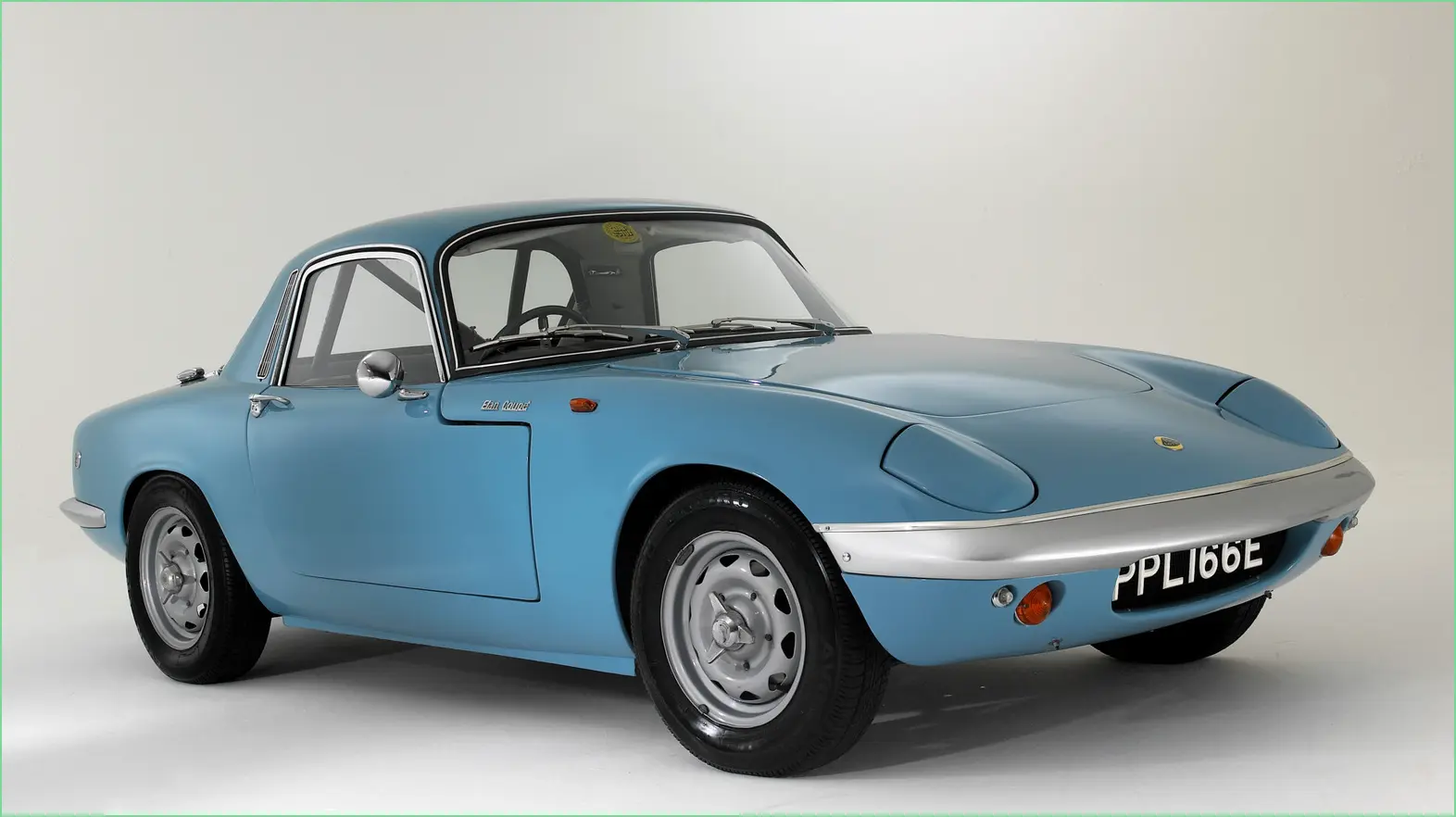
The car in question is the Lotus Elan, a remarkably small vehicle that might make you question whether you’d fit inside. This is no surprise, considering that Colin Chapman’s Lotus focused on minimizing weight, and the Elan weighed just 1,290 pounds.
The Genesis of the Miata
Bob Hall, an American automotive journalist, played a pivotal role in the Miata’s creation. His interest in the Japanese automotive sector brought him to discussions with Mazda’s head of research and design, Kenichi Yamamoto, in the late ’70s. When asked about future car concepts, Hall eagerly shared his passion for vintage British sports cars, emphasizing that this dwindling segment deserved revival.
By the 1980s, Hall had the chance to pursue this vision with Mazda, leading to the development of what would ultimately be the Miata. Historical images show the Miata prototype alongside British classics like the Triumph Spitfire, but the design team, including Masao Yagi and Tom Matano, opted for a design reminiscent of the Elan. The Miata showcased a cheerful front design and retained pop-up headlights like those on the Elan, features still present today.
Why Mazda Chose Lotus as a Model
When car shopping, it’s easy to fall into the trap of wanting more—more power, more space, more technology. However, in creating the Miata and the Elan, both Mazda and Lotus chose to prioritize the principle of “less is more.” This strategy might not apply to larger vehicles like SUVs, but it’s brilliant for a fun weekend sports car.
The Lotus Elan exemplified this philosophy in the 1960s, offering just 105 horsepower from its 1.6-liter twin-cam inline-four engine. This combination, combined with its lightweight construction and balanced chassis, defined the perfect sports car. Notable enthusiasts like Gordon Murray and former McLaren CEO Mike Flewitt respect the Elan as a pinnacle of British sports cars.
Mazda, led by Hall, recognized a gap in the American market for an affordable, sporty convertible. Instead of attempting to create a more powerful or larger vehicle than the Lotus, they took a similar approach, adapting it for the contemporary market.
