


Oldest Cremation Pyre Discovered in Africa
Recent findings of charred bone fragments in northern Malawi have brought to light the oldest known cremation pyre in Africa, unveiling complex mysteries surrounding early funerary practices.
An Ancient Ritual
Researchers determined that roughly 9,500 years ago, hunter-gatherers cremated the remains of a woman, as detailed in a study published in the journal Science Advances.
Details of the Discovery
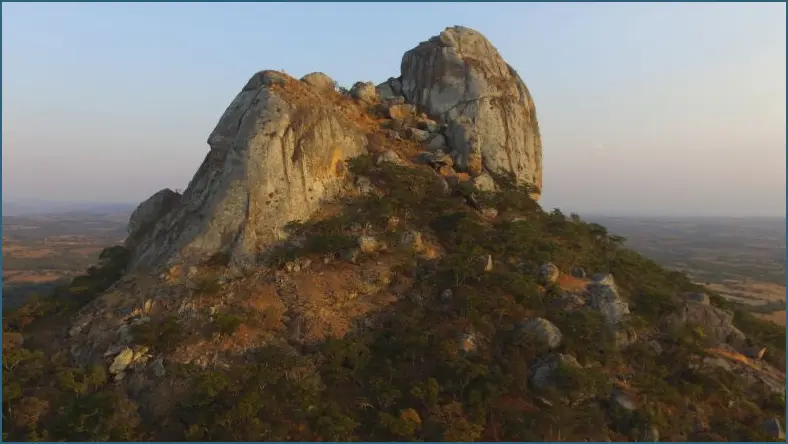
The cremation site, named Hora 1, is situated at the base of Mount Hora. The forensic analysis identified the woman, aged between 18 and 60, with an approximate height of just under 5 feet, based on fragments primarily from her arms and legs.
Significance of the Site
Initially explored in the 1950s, Hora 1 has been recognized as a burial site for hunter-gatherers. Newer excavations starting in 2016 indicate that this location has been inhabited for around 21,000 years, with burials occurring between 8,000 and 16,000 years ago.
A Unique Find
This cremation is the only one recorded at the site, making it even more notable, given the rarity of such practices during that period. Lead author Jessica Cerezo-Román stated: “Cremation is quite rare among both ancient and contemporary hunter-gatherers due to the extensive labor and resources involved.”
Insights into Cultural Practices
This rare find is suggesting the existence of intricate funerary customs among African hunter-gatherers and poses intriguing questions about why significant effort was allocated to cremate just one individual.
Further Research Findings
Excavations between 2016 and 2019 revealed a sizable ash mound, indicating a prolonged burning period for the pyre. Notably, stone tools were discovered among the remains, hinting at their use as funerary offerings.
