


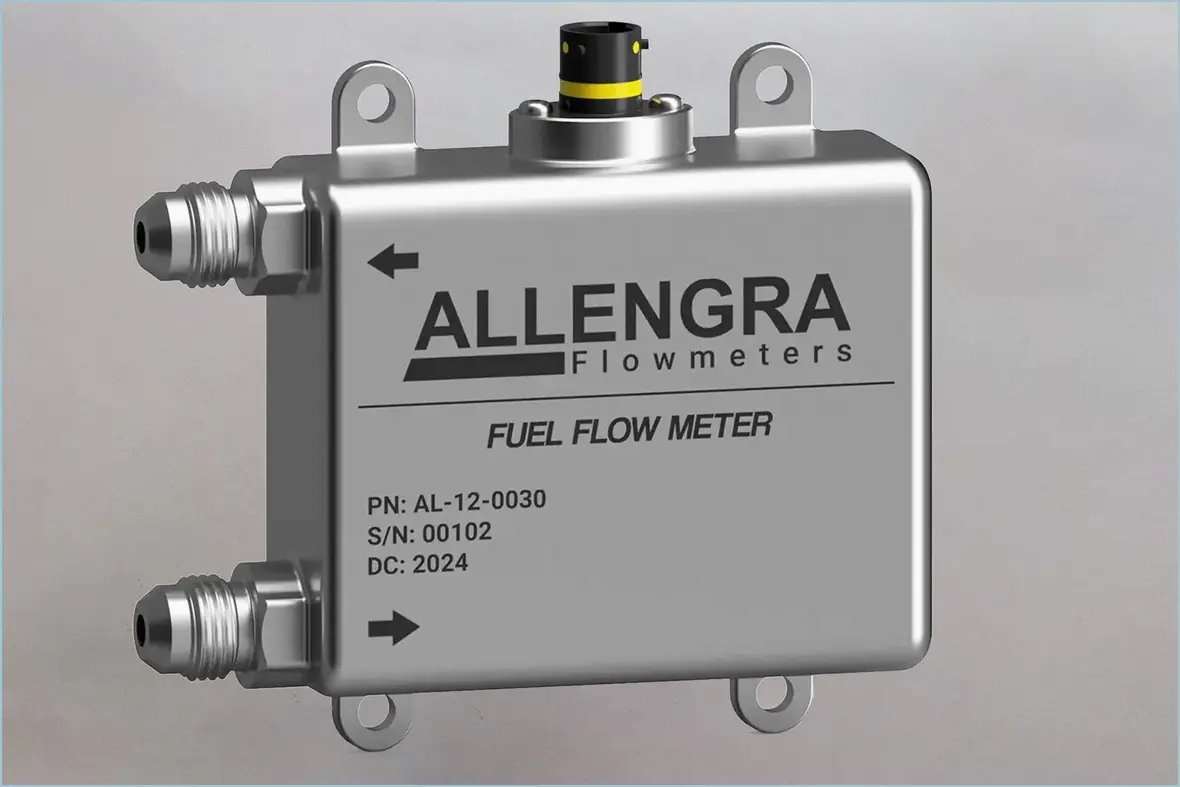
One key takeaway from the turbo-hybrid era of Formula 1 is the critical and intricate nature of the flow meter’s role. The restrictions on both the amount of fuel cars can hold and its flow rate have driven manufacturers to enhance combustion efficiency, making this device an essential compliance tool.
Starting in 2026, a significant transformation is expected for flow meters, coinciding with the introduction of new power units featuring an altered balance between electric and internal combustion power. Changes will involve not just how measurements are obtained but also who supplies the meters.
Sentronics has long supplied every car with two flow meters—one for teams and another encrypted for the FIA. However, now the responsibility shifts to Allengra, a company that has won the contract for the upcoming technical cycle. This task holds great importance, especially given the sensitive parameters related to fuel flow, particularly in light of the controversies faced in 2019, which led to the FIA mandating an additional meter for each vehicle.
The Advanced Features of the New Flow Meter
According to Niels Junker, co-CEO of Allengra, “You could think of them as two units combined into one. A notable benefit is that the pipes’ varying geometries make it physically challenging to synchronize them, even with the same measurement frequency.” This design enhancement complicates attempts by teams to bypass the effects of the flow meters.
Allengra’s flow meter operates at frequencies between 4 and 6 kHz, which is about three times as fast as current sensors. This results in measurements taken up to 6,000 times per second. To support this rapid measurement, Allengra has developed a proprietary ultrasonic reference sensor functioning at 20 kHz, allowing for accurate validation of readings.
Each flow meter includes a dual-layer security feature: differing pipe geometries and distinct measurement frequencies, which are safeguarded by anti-aliasing functions to further obscure any potential synchronization efforts by teams. Even if a team synchronizes with its own meter, it cannot match the other meter, which remains encrypted and continuously monitored by the FIA.
Shifts Toward Energy Flow Measurement
In 2026, the FIA plans to also track the energy flow rate of the fuel supplied to the engine. This means that the flow meter will not only determine mass flow in kg/h but will also assess total fuel energy flow. This data will be converted by the engine’s ECU into energy flow based on the fuel’s energy density, ensuring compliance with specific parameters set by the FIA.
The implications of this change are significant: depending on the energy density of the fuel developed by each manufacturer, variations may occur in the required mass flow to meet the fixed energy limits. In essence, fuels with higher energy density could allow teams to utilize less fuel while meeting the same energy demand, potentially providing a strategic advantage in races.
