


It has been nearly a year since AMD and Nvidia launched their Radeon RX 9070 XT and GeForce RTX 5090. Typically, this would signal a stabilization in gaming PC prices. While graphics cards are more reasonably priced than last year—at least for now—escalating costs of other components are making it challenging to assemble an affordable gaming PC.
Unfortunately, this trend appears unlikely to reverse anytime soon. Multiple manufacturers have informed me that prices for prebuilt PCs—often the budget-friendly option during tough times—are expected to rise. When this occurs, it will become exceedingly difficult for anyone without an existing gaming setup to join the gaming community.
The RAM Dilemma
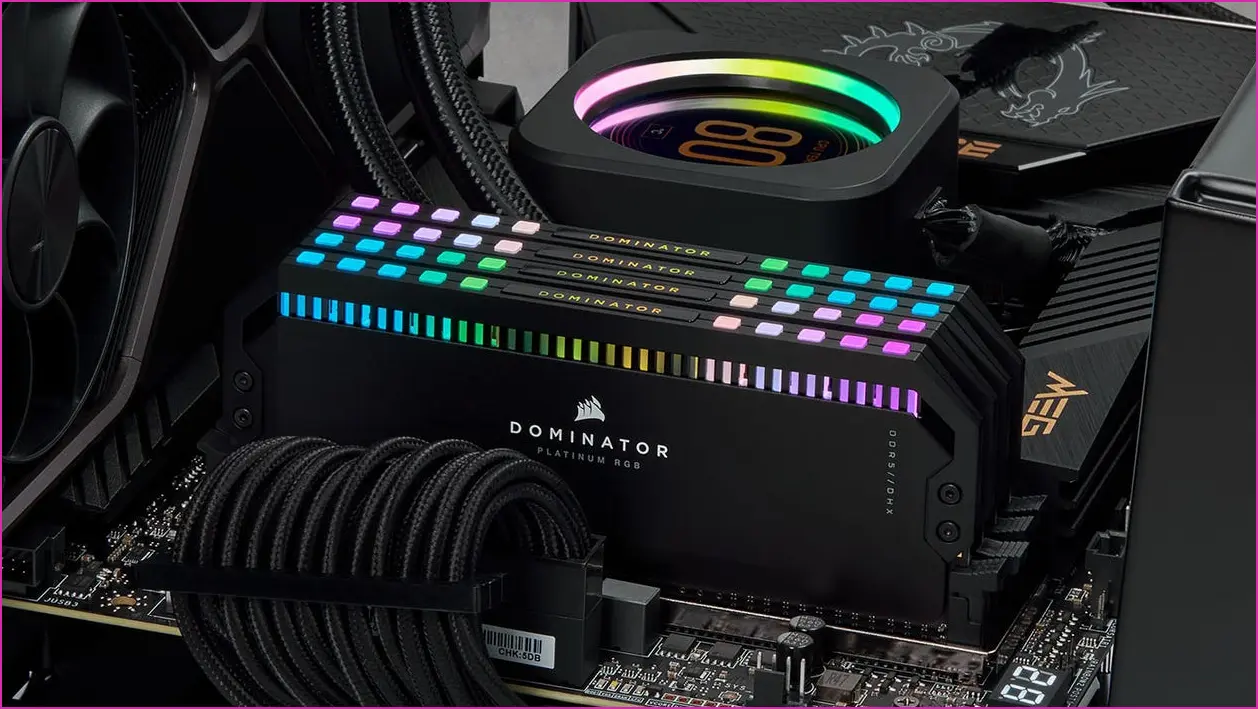
I recall when upgrading to a better RAM was the most economical way to enhance my gaming setup. While it was not the most exciting upgrade, it proved effective and affordable compared to purchasing a new CPU or GPU. Unfortunately, this scenario has completely reversed.
As of November, RAM prices began to spike due to soaring demand from AI data centers, which require substantial memory. These companies often have more financial resources than individual consumers, prompting memory manufacturers to focus on their enterprise buyers. Notably, Micron even closed Crucial, a subsidiary known for affordable RAM.
Impacts on Prices and Prebuilts
While I hesitate to describe prebuilt gaming PCs as affordable currently, it’s apparent that significant price increases have yet to impact them. For example, a CyberPower PC with an RTX 5070 and a Ryzen 7800X3D can be bought for around $1679, approximately $100 less than building it yourself. However, manufacturers indicate that price hikes for prebuilt systems are imminent, as they will need to replenish their now-costly memory inventories.
There’s growing speculation that Nvidia may increase prices on its Blackwell graphics cards, particularly the RTX 5090, due to the substantial GDDR7 memory included. The cheapest RTX 5090 currently available is priced at around $4,111 on Newegg, with listings reaching as high as $5,000.
The Future of Prices
This surge in memory prices is not unprecedented, but it could be more lasting this time. The ongoing high demand from AI data centers and other devices using more memory complicates the situation. Unless major manufacturers like Micron, Samsung, and SK Hynix enhance production to supply more DIMMs, the shortage could persist. As noted by industry experts, consumer demand is not the only factor; the substantial use of RAM across various devices contributes to ongoing supply challenges.
