


China’s Recent Diplomatic Engagements
BRUSSELS (AP) — In recent weeks, Chinese President Xi Jinping has been actively welcoming Western leaders looking to strengthen ties with China, the world’s second-largest economy.
Trade Deals with Western Nations
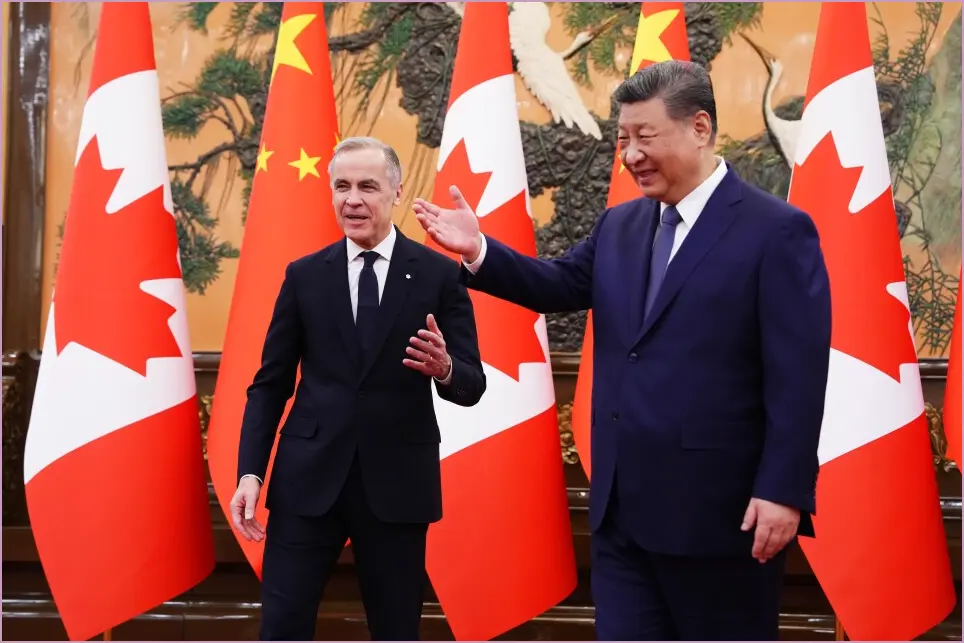
Canadian Prime Minister Mark Carney secured a trade agreement reducing tariffs on Chinese electric vehicles and Canadian canola oil. U.K. Prime Minister Keir Starmer visited Beijing to mend long-strained relations, while German Chancellor Friedrich Merz is scheduled to visit next month. Finnish Prime Minister Petteri Orpo also met with Xi during this diplomatic wave.
Changing Alliances Amidst Global Shifts
As alliances shift since President Donald Trump’s tenure, America’s allies are looking to engage with China after conflicts over tariffs and other issues. Despite the potential of upsetting Trump, they are reforming relations with a nation perceived as a significant adversary to many Western countries.
Challenges and Concerns
Some lawmakers and analysts express concern that this pivot might favor Beijing at Washington’s expense. They argue that both the U.S. and China exert pressure to serve their own interests, indicating a transformation in how countries navigate their affiliations with the two superpowers.
Responses and Reactions
U.S. Senator Jeanne Shaheen criticized the trend of allies gravitating toward China, asserting that it undermines a collective stance against it. Concurrently, Trump warned that such engagements could be perilous for countries like Canada.
European Union’s Strategic Outlook
The EU’s foreign policy chief Kaja Kallas acknowledged the long-term challenges posed by China’s economic tactics but emphasized the importance of building diverse partnerships globally. Experts note that this is not merely a shift toward China, but a broader strategy for European unity.
Canada’s Role in Trade Relations
In a notable development, Carney’s recent trip to Beijing marked an effort to enhance Canada-China trade ties, contrasting with past tariffs imposed to protect U.S. industries. His discussions in Davos reinforced the notion that smaller countries must come together to navigate their relationships with major powers, echoing sentiments across Europe.
