


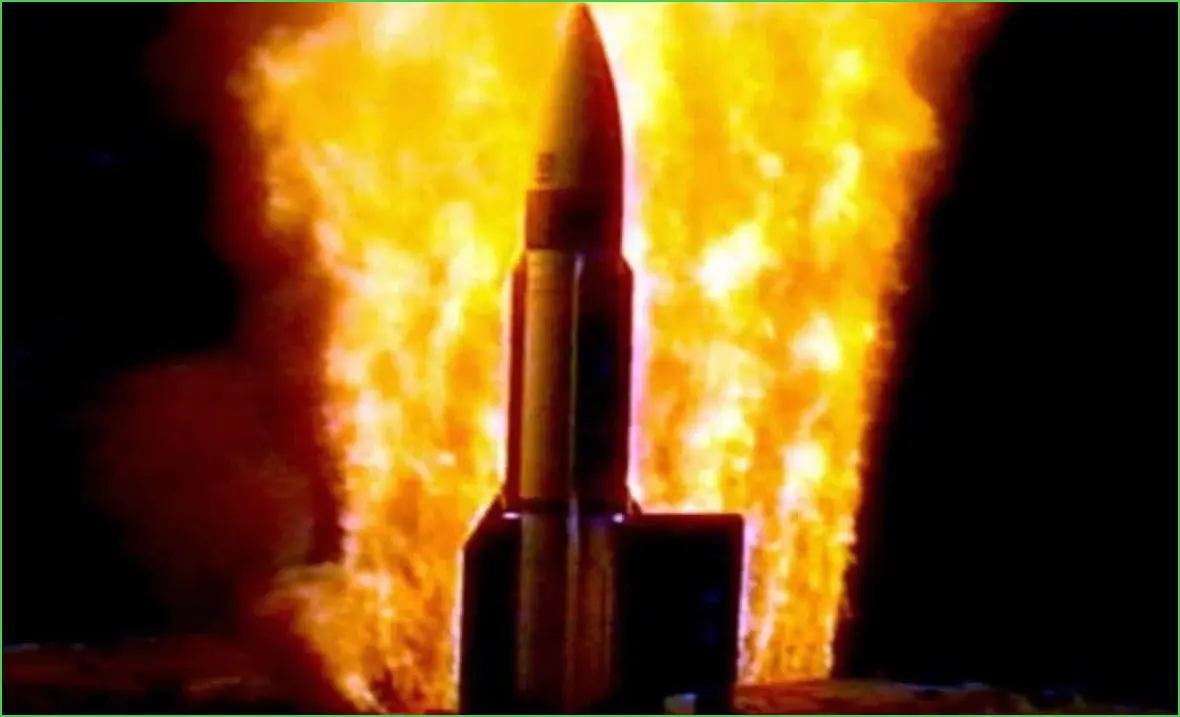
Russian Warnings Against US Golden Dome Missile System
The proposed Golden Dome missile defense initiative in the United States has led to formal objections from Russian officials, who label the project as destabilizing and strategically provocative. As discussions regarding potential deployments in the Arctic, especially in Greenland, gain urgency, Moscow has indicated that it may take military actions if critical thresholds are crossed.
This situation unfolds shortly before the expiration of the New START treaty, which is the last bilateral agreement that limited US and Russian nuclear arsenals. The treaty’s dissolution disrupts long-standing assumptions regarding nuclear deterrence and arms verification protocols.
Escalating defense operations in the High North are breeding concerns among various governments. Senior Russian officials have publicly connected Arctic missile defense strategies to wider shifts in global strategic dynamics, particularly in regions historically shielded by arms control agreements.
Golden Dome Seen as a Threat by Russian Authorities
Dmitry Medvedev, Deputy Chairman of the Russian Security Council, referred to the Golden Dome in a January 31 interview with Kommersant and reported by TASS, claiming it poses a direct threat to global stability. He called the project “highly provocative” and asserted that it undermines the strategic equilibrium established by the New START treaty, which officially expired on February 5, 2026.
Following these comments, Sergey Ryabkov, Deputy Foreign Minister, indicated at a press briefing in Beijing that Russia would implement “military and technical compensatory measures” should the US place missile systems in Greenland. This stance marks Greenland as a critical red line in the evolving security landscape of the Arctic, and although specific Russian countermeasures have yet to be disclosed, planning for their implementation has already been affirmed.
Golden Dome Focuses on Arctic Early-Warning Systems
The Golden Dome serves as a key component of the 2026 US National Defense Strategy, highlighting the necessity for enhanced homeland security through multi-layered defenses against current threats, such as hypersonic and ballistic missiles. Proposed by former President Donald Trump in 2025, the shield aims to utilize satellite tracking, space-based radar, and long-range interceptors to neutralize threats before they reach US or allied airspace.
Despite Trump’s claim of having reached a preliminary agreement with NATO Secretary-General Mark Rutte regarding Arctic operations, Al Jazeera has reported that no formal agreement has been confirmed by either NATO or Denmark. Analysts, such as Cameron Chell, emphasize the need for forward-deployed infrastructure to intercept high-velocity threats, underscoring the importance of Arctic geography for effective defense.
Skepticism Among NATO Allies Regarding US Plans
Amid renewed US interest in Arctic military presence, Denmark, which retains constitutional authority over Greenland’s defense and foreign affairs, has shown resistance to missile deployments. In statements made in 2024 and 2025, Danish officials reiterated that Greenland is not for sale and will not serve as a launchpad for unilateral American defense strategies.
Nonetheless, Trump’s comments in January 2026 indicate a strong intent to integrate Greenland into US strategic frameworks, even in the absence of formal treaties. Although threats regarding tariffs aimed at European allies have since been rescinded, they have heightened tensions within the Atlantic alliance.
Implications of New START Expiration on Nuclear Oversight
The conclusion of the New START treaty, which regulated the deployment of US and Russian warheads and launch platforms since 2011, leaves both nations without an active arms limitation agreement. This treaty facilitated regular on-site inspections and the exchange of detailed information regarding warhead quantities and launch capabilities.
Ryabkov has expressed that Moscow proposed extending the treaty’s limits for another year, but there has been no formal response from the US, which he interprets as rejection. Al Jazeera has corroborated Ryabkov’s assessment, emphasizing that Washington’s silence offers no room for further Russian proposals.
The Role of Advanced Technology in Future Planning
According to Pentagon-affiliated sources cited by Fox News Digital, the Golden Dome will eventually depend on a composite integration of space-based sensors, low-Earth orbit radar, and unmanned surveillance assets for real-time missile launch tracking and precision targeting. Drones are also being evaluated for intelligence gathering and missile identification. Chell pointed out the critical nature of collecting detailed data across northern Canada and Greenland for operational success.
