


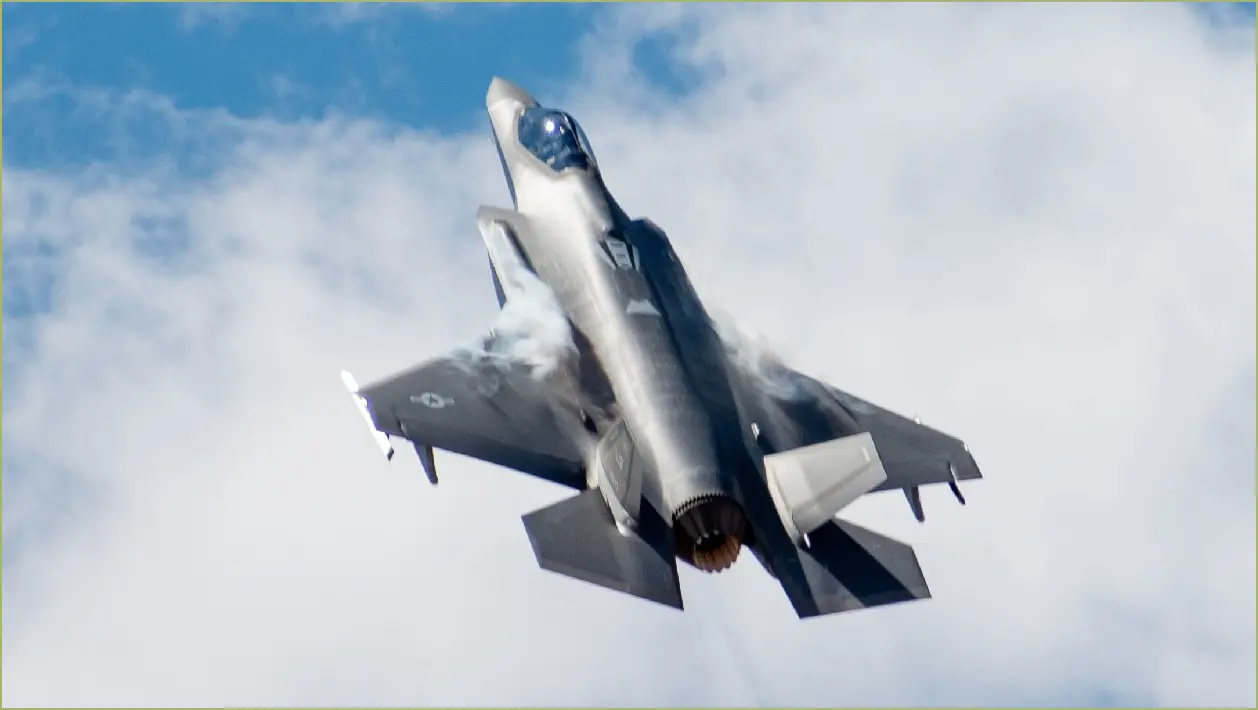
Overview and Main Points: Canada’s F-35 Dilemma: The Shift Toward Swedish JAS 39 Gripens
– Canadian Prime Minister Mark Carney is reportedly moving closer to a surprising decision to reduce Canada’s F-35 order in favor of Sweden’s Saab Gripen E/F.
– Amid escalating diplomatic tensions with the U.S., Saab has enhanced its proposal by offering 12,600 local jobs and full technology transfer—an offer that Ottawa is actively considering.
– Although Canada remains committed to acquiring an initial set of 16 F-35s, the idea of a “mixed fleet” strategy is gaining traction. Nonetheless, U.S. Ambassador Pete Hoekstra cautions that shifting to the Gripen could significantly impact NORAD capabilities and compel the U.S. to monitor Canadian airspace directly.
Canada’s F-35 Acquisition Is at Risk: Saab’s Job Offer Appears Compelling
Prime Minister Mark Carney is edging closer to potentially halting Canada’s F-35 procurement in favor of an offer from Sweden’s Saab. Recent developments indicate that Saab is providing Ottawa with comprehensive technical details about what a JAS 39 Gripen contract would entail.
Current discussions in Ottawa include timelines for technology transfers and the establishment of a Canadian production line, along with Canada’s potential involvement in future aircraft export sales.
These insights, shared by Saab CEO Micael Johansson during a February 5 investor call, extend beyond previous concept discussions that have marked the entire CF-18 replacement debate over the past decade.
Saab’s Proposal Is Now Concrete
In a conversation with investors, Johansson remarked that Canada seeks to avoid becoming “too reliant on the U.S.” by adopting a dual fleet consisting of both F-35s and Gripens.
“We are sharing all necessary details to help them understand,” he stated, noting specifics about technology transfer speeds and the planned manufacturing facility.
Additionally, Johansson acknowledged that Saab would ensure Canada plays a pivotal role in the Gripen supply chain, allowing the planned manufacturing site to also produce future export aircraft.
Gripen’s Competitive Advantage Over F-35
Saab’s current offer for a Canadian purchase of 72 Gripen E/F aircraft would integrate a broader, long-term domestic industrial operation. Saab estimates that this initiative could generate up to 12,600 Canadian jobs in aerospace over the lifespan of the fleet.
This job forecast has risen rapidly from an initial estimate of 6,000 job opportunities, indicating Ottawa’s growing interest in Saab’s proposal.
Moreover, Saab has proposed that Canada would serve as a regional hub for the maintenance and upgrade of North American and allied Gripen operators, similar to offers made in past competitions.
Reevaluating the Gripen vs. F-35 Controversy
Canada had previously decided on the F-35A in 2022, committing to acquire 88 aircraft at an estimated cost of CAD 27.7 billion, targeting NORAD, NATO, and Arctic defense requirements.
Initially, this decision was deemed final, with Saab’s Gripen proposal being categorically dismissed. However, this sense of certainty has since diminished.
In 2024, Canada’s Auditor General confirmed that the government is reassessing the F-35 acquisition to validate its suitability, citing cost increases and ongoing sustainment issues—this amidst rising concerns regarding low F-35 readiness rates worldwide.
Political Considerations and U.S. Concerns
Political dynamics are clearly influencing the situation. Carney’s administration frames the review as necessary for aligning with Canada’s defense needs, but public sentiment within his government reflects worries about over-relying on the U.S., especially amidst tensions with the Trump administration.
In light of Canada’s apparent inclination towards the Gripen, U.S. Ambassador Pete Hoekstra expressed in January that a reduced Canadian F-35 procurement could modify the NORAD agreement and necessitate increased U.S. F-35 patrols in Canadian airspace.
