


WELLINGTON, New Zealand (AP) — The individual who took the lives of 51 Muslim worshipers in two mosques during New Zealand’s deadliest mass shooting claimed in an appeals court on Monday that he felt compelled to confess to the crimes due to “irrationality” stemming from severe prison conditions, as he aimed to have his guilty pleas overturned.
A three-judge panel at the Court of Appeal in Wellington will hear five days of testimony concerning Brenton Tarrant’s assertion that he was unfit to respond to the terrorism, murder, and attempted murder charges following the 2019 attack in Christchurch. Should his appeal succeed, Tarrant’s case would be retried, which had been avoided in March 2020 when he admitted to the crime driven by hate.
Moreover, he is seeking to contest his life sentence without parole, a sentence unprecedented in New Zealand. His statements regarding his mental state during his guilty plea mark his first substantial public comments since he live-streamed the 2019 attack on Facebook.
The Shooter’s Mental Health Claims
The Australian national, who identified himself as a white supremacist, moved to New Zealand with the intention of carrying out the massacre, meticulously planning every detail. He amassed a collection of semi-automatic firearms, took measures to avoid detection, and authored a lengthy manifesto before traveling from Dunedin to Christchurch in March 2019 to open fire on two mosques.
In addition to the 51 fatalities, including a three-year-old boy, many others sustained serious injuries. This attack was viewed as one of New Zealand’s most tragic events, prompting institutions to combat the dissemination of Tarrant’s ideology through legal restrictions and bans on possessing his manifesto or footage of the assault.
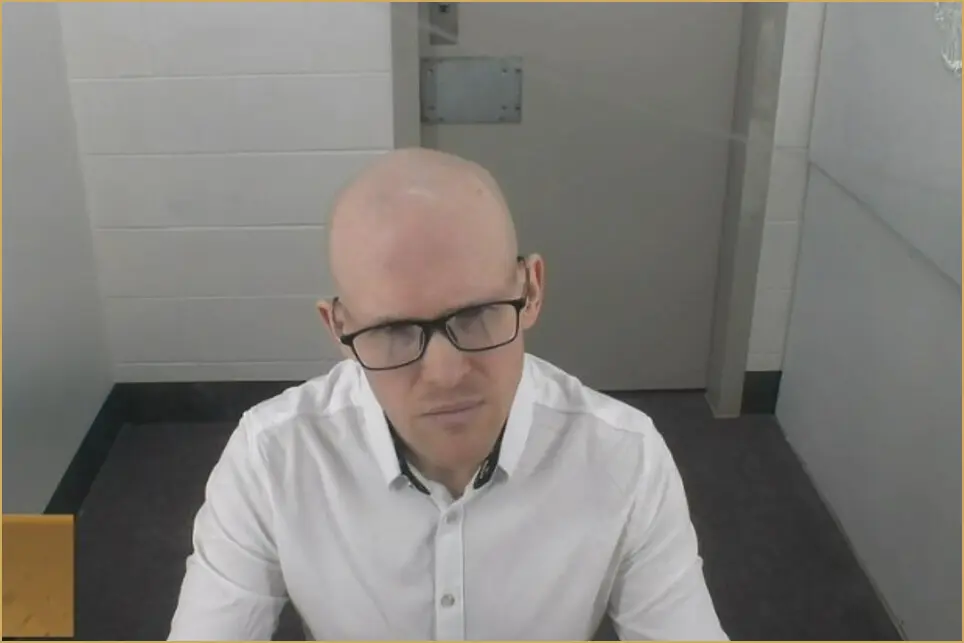
The hearing on Monday was conducted under strict security protocols, limiting attendance to certain reporters and individuals affected by the massacre. Tarrant appeared via video from Auckland Prison, dressed in a white shirt and black glasses, conveying that his mental health had worsened due to prison conditions, characterized by solitary confinement, limited reading options, and minimal contact with fellow inmates.
Counterarguments from Crown Lawyers
Tarrant reported experiencing “nervous exhaustion” and uncertainty regarding his identity and beliefs by the time he pleaded guilty, asserting that he felt he had “little else to do.” Crown lawyer Barnaby Hawes suggested alternative options Tarrant could have pursued, such as delaying the trial on mental health grounds or defending himself in court. Hawes pointed out that mental health professionals found little evidence supporting Tarrant’s claims of a severe mental crisis.
Tarrant contended that signs of his mental illness often went unrecorded, asserting that he had attempted to present himself as confident and mentally stable during the legal proceedings. The judges are expected to deliver their ruling later, following the conclusion of the week-long hearing. If they reject Tarrant’s request to vacate his guilty pleas, the next hearing will address his appeal against the life sentence.
