


Super Bowl LX: A Shift in Tone
Roger Federer flashed a wolfish grin to the audience, while Adam Sandler looked forlorn in the stands and Jon Bon Jovi lounged on the sideline like a retired dentist on vacation. Were these figures indicative of something larger? The New England Patriots, not favored to win and somewhat neutral in public sentiment, ultimately disappointed fans by losing. Did this Super Bowl mark a time when history began to evolve, suggesting that America could move beyond its past conflicts? The answer appears to be both yes and no.
A Contrast to the Past
A year after Donald Trump made his mark on American football’s grand event, this year’s matchup in Santa Clara was poised for a change—perhaps even signaling an end to the politicization of sports. Trump’s absence, due to low approval ratings and an unfavorable environment in the Bay Area, cast a long shadow nevertheless. The game became a commentary on whether American football could return to normalcy.
Game Dynamics and Reflections
The Seahawks and the Patriots engaged in a contest defined by tough defense and lackluster offense, evoking the charm of a brutal medieval ordeal. While the potential for revitalization seemed uncertain, the game did manage to be unexciting, perhaps reflecting a form of progression. Pre-game discussions shifted towards de-escalating tensions, with even ESPN’s host Pat McAfee suggesting the city of San Francisco contradicted the bleak portrayal by right-wing media.
A Subdued Super Bowl Experience
On the field, legends like Joe Montana and Peyton Manning showcased their presence amidst a pre-game ceremony that felt almost apologetic. Even Charlie Puth, who sang the national anthem, did so with a quiet restraint that deviated from the usual fervor. This Super Bowl seemed intent on avoiding sensationalism, fostering an atmosphere more akin to a corporate gathering where teams are encouraged to reflect and plan.
Commentary and Observations
NBC’s Mike Tirico and Chris Collinsworth, assigned to cover the event, shared their insights on the mundane nature of the game. Collinsworth offered his sixth Super Bowl commentary, frequently emphasizing the game’s defensive nature. Tirico balanced his duties between the Super Bowl and the Winter Olympics while maintaining a calm demeanor—perfectly aligning with the event’s understated vibe.
The Cultural Landscape of the NFL
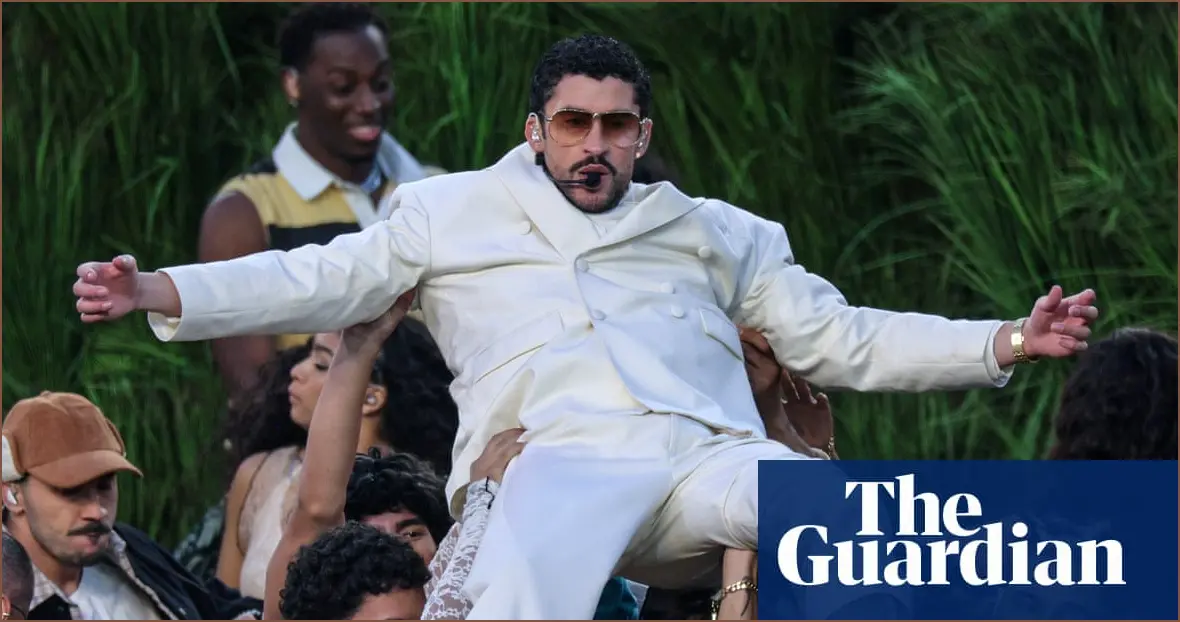
While concerns emerged about whether the Super Bowl could be deemed “woke,” Bad Bunny’s halftime performance incited mixed reactions. However, the event did not signify a substantial pivot towards cultural progressivism within the NFL. Despite the inclusion of figureheads from various backgrounds, the day lacked pronounced protests or major commentary on social issues—a move to reconcile differences after a politically charged previous year.
Advertising Insights
As always, the commercials spoke volumes about contemporary society. Aside from a few unique ads featuring celebrities, this year’s commercials predominantly revolved around AI, gambling, food delivery, and insurance—rendering a microcosm of current culture. Amid the game’s dullness, the Super Bowl effectively portrayed the tenacity and absurdity of capitalism.
