


HBO’s New Docuseries Neighbors
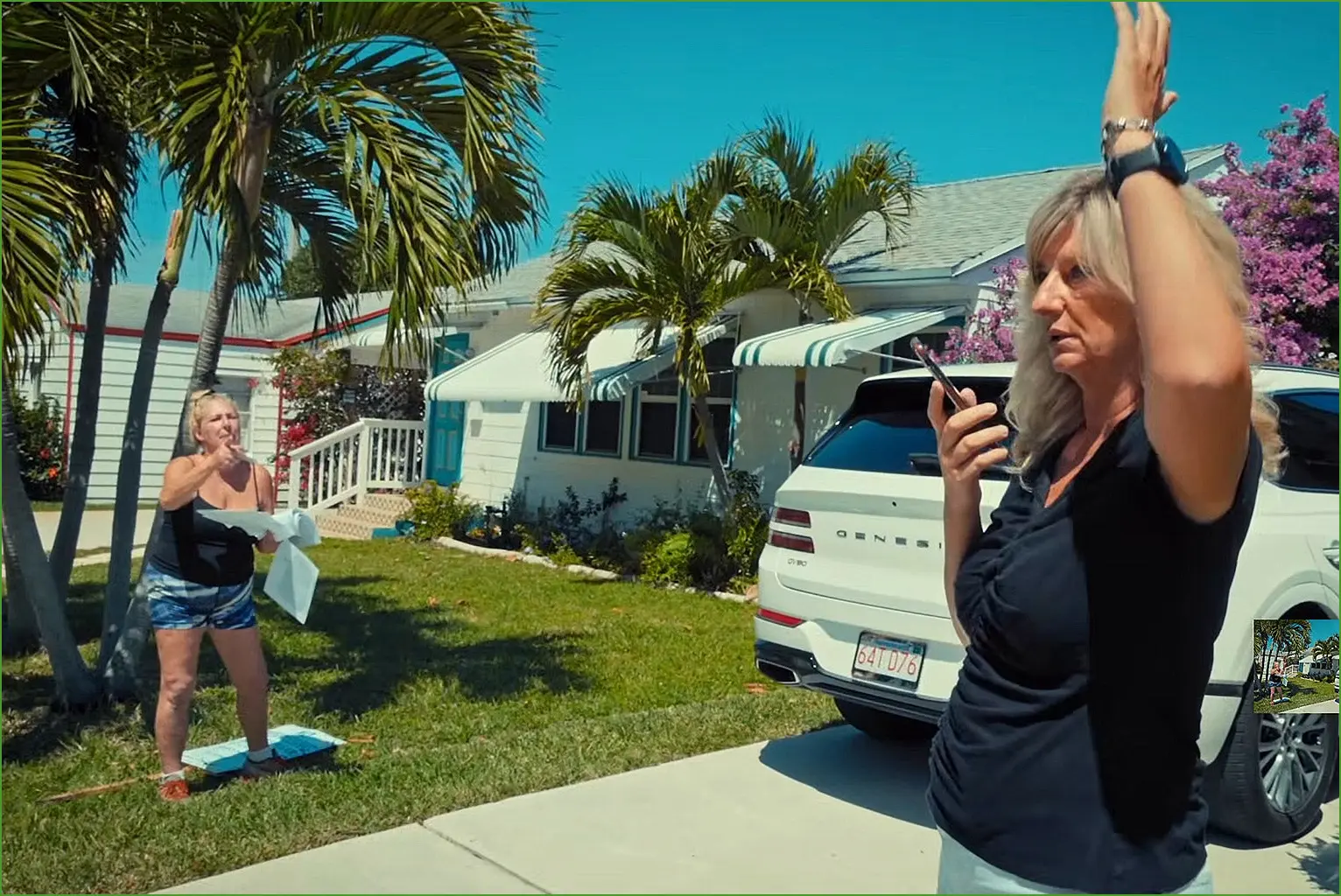
HBO’s docuseries Neighbors is marketed as a comedy, yet it presents a sobering take on human interactions that isn’t often seen on television. Created by Harrison Fishman and Dylan Redford, this six-episode series premieres new episodes on Friday nights. Each episode focuses on neighborly disputes, often connected by a loose theme—such as conflicts over public land access in rural Montana and the Florida panhandle, or issues surrounding animal odors. By the time the series, produced among others by A24’s Josh Safdie and Ronald Bronstein, showcases these feuds, the individuals involved seem driven to irrational extremes, often pushed by vocal social media onlookers. This portrayal invites viewers to dismiss them as eccentricities while highlighting a deeper societal issue: a growing inability to cohabitate peacefully.
The Pandemic’s Impact
The pandemic is referenced sporadically, but it’s evident that COVID-19 has acted as a catalyst for many featured in Neighbors, intensifying a wave of anti-community sentiment. For instance, Seth, a lanky landowner in Shawmut, Montana, claims he moved to the area to evade the “plague” he foresaw back in 2016, along with the chaos he perceived in Portland. Meanwhile, Josh, a newcomer and self-styled homesteader, assumed living far from society would mitigate conflicts. However, upon erecting a locked fence that obstructs a previously public road, he quickly earns the ire of his neighbors.
Disputed Shared Spaces
The definition of the public road remains ambiguous. Viewers witness Seth and Josh shouting threats across the dispute, void of a rational mediator despite the presence of a court-appointed one who ultimately gives up. Previous police involvement is noted, but they never appear on camera. With their families comprising a significant portion of Shawmut’s residents, few unbiased parties are left to intervene. The ideal of autonomy proves shaky without the support of a community.
Too Many Witnesses in Florida
In contrast, Santa Rosa Beach, Florida faces problems stemming from an excess of onlookers. The conflict between beachfront property owners over beach access draws attention from tourists and provocateurs, including a self-described “First Amendment auditor.” Long before filming begins, participants seem to perform for a hidden audience, instigating each other into actionable blunders. Sara argues for public beach access, while Eric, who claims ownership over a section of sand from his porch, expresses frustration over “liberal tirades.” His desire for constructive discourse appears belied by his attempt to dominate the narrative.
Vicious Friendships
Throughout the series, some disputes arise between long-time friends turned enemies, with circumstances often left unexplored. A white man shares that an elderly woman next door embraced him as her “Black mama,” only for misunderstandings to sow division. New questions arise about two West Palm Beach women, once friends, who now threaten violence over a minor property line. The absence of backstory leaves a void, echoing a broader issues in public life—an apparent agreement that has deteriorated, creating fertile ground for conflict.
The Role of Social Media
Social media plays a critical role in these neighborhood disputes. Josh’s large TikTok following enables him to relocate his metalworking business while seeking viral fame from future grievances. One participant expresses a desire for outrage-related virality as a means to gain leverage. However, in doing so, these individuals neglect the very community dynamics they claim to inhabit, with motives that prioritize individual victory over collective peace.
The Entertainment of Conflict
While Neighbors frames these skirmishes as entertainment, the underlying themes raise concerns about escalating tensions. One episode’s conflict between a Philadelphia cat lady and a row house owner leads to courtroom drama reminiscent of Judge Judy. Viewers are left to ponder the outcomes of these increasingly volatile situations—the juxtaposition of fierce disputes over property rights with serious consequences adds an element of unease. A playful narrative quickly shifts into a cautionary tale when even slight offenses escalate into discussions of gun rights and self-defense laws.
