


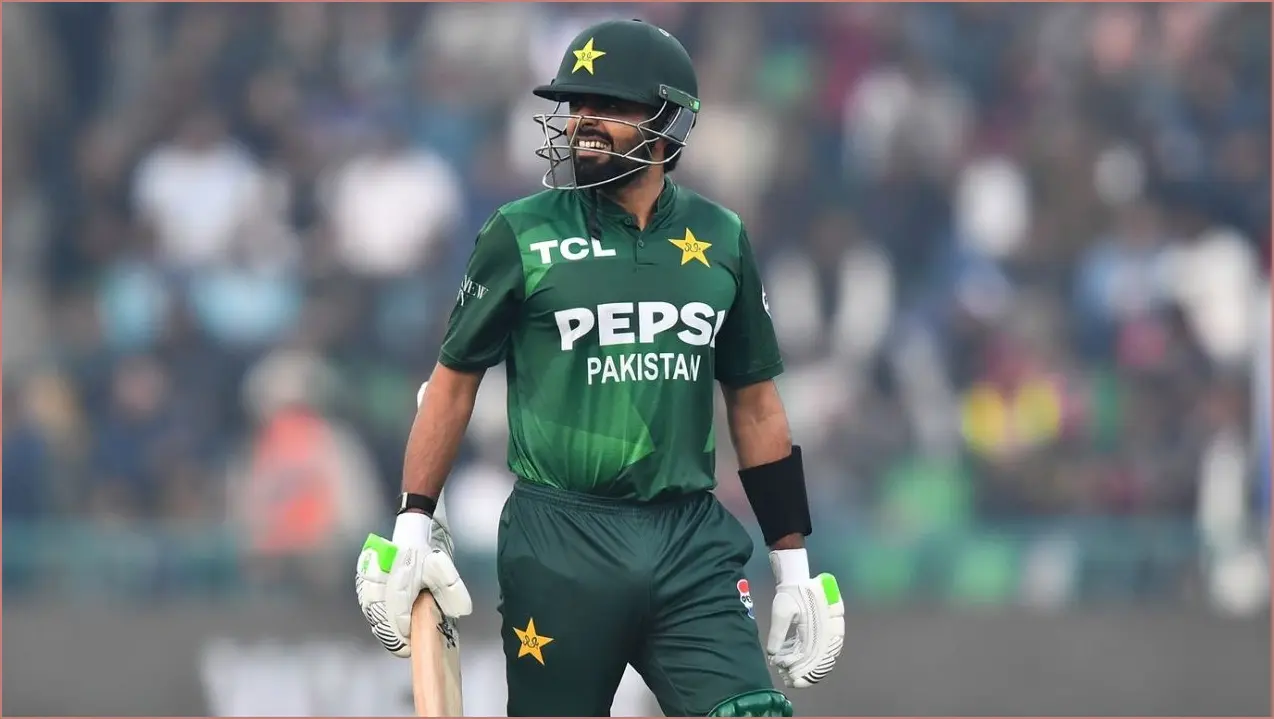
Faf du Plessis has emphasized the need for “honest conversations” between Babar Azam and Pakistan coach Mike Hesson to optimize Babar’s performance in T20 cricket. Ahead of Pakistan’s match against New Zealand, which was ultimately cancelled due to rain, Hesson noted that Babar’s strike rate during powerplays was under a run-a-ball and suggested that his strengths are best utilized in the middle overs.
In an interview on ESPNcricinfo’s show TimeOut, du Plessis referred to Babar as a “world-class player,” but noted that the fast-paced nature of T20 cricket has resulted in him lagging in terms of scoring rates. He stated, “All great players evolve their careers at different points,” highlighting that Babar, being one of the best for many years, is now finding it challenging to keep up with the speed of the game.
Du Plessis remarked that if he were Hesson, he would strategize on ways to effectively integrate Babar into the T20 setup. He suggested that on difficult pitches, a middle-order player can be effective with a strike rate of 120-130, but emphasized that current expectations require players to aim for strike rates between 160 and 200 to fully leverage the initial overs.
However, du Plessis pointed out that the conditions in Sri Lanka, where Pakistan plays during this T20 World Cup, might suit Babar’s style more favorably. Given the likelihood of spin-friendly pitches, Babar’s role in stabilizing the innings could prove invaluable.
The intense focus on Babar’s performance, stemming from his immense popularity in Pakistan, has led to greater scrutiny, particularly regarding his recent performances in T20 matches. After being dropped from the team during Pakistan’s Asia Cup campaign, Babar’s chances for comeback were contingent on improving his strike rate and spin game. Despite initial setbacks, he was recalled to the team but faced criticism following a subpar Big Bash League stint.
Du Plessis underlined the importance of transparent dialogue, stating that honesty is crucial for productive communication between a player and coach. He asserted, “If you are not honest, it leads to gaps a player can exploit.” The nature of these discussions should focus on both improvement and team success.
Ultimately, du Plessis acknowledged the complexity of Babar’s situation, given his age and experience. As the longest-serving T20I captain for Pakistan, Babar has already played a significant number of T20 matches. Du Plessis cautioned against the temptation to avoid discomfort when it comes to evolving one’s game, stressing that true growth occurs outside one’s comfort zone through a collaborative and respectful approach.
