


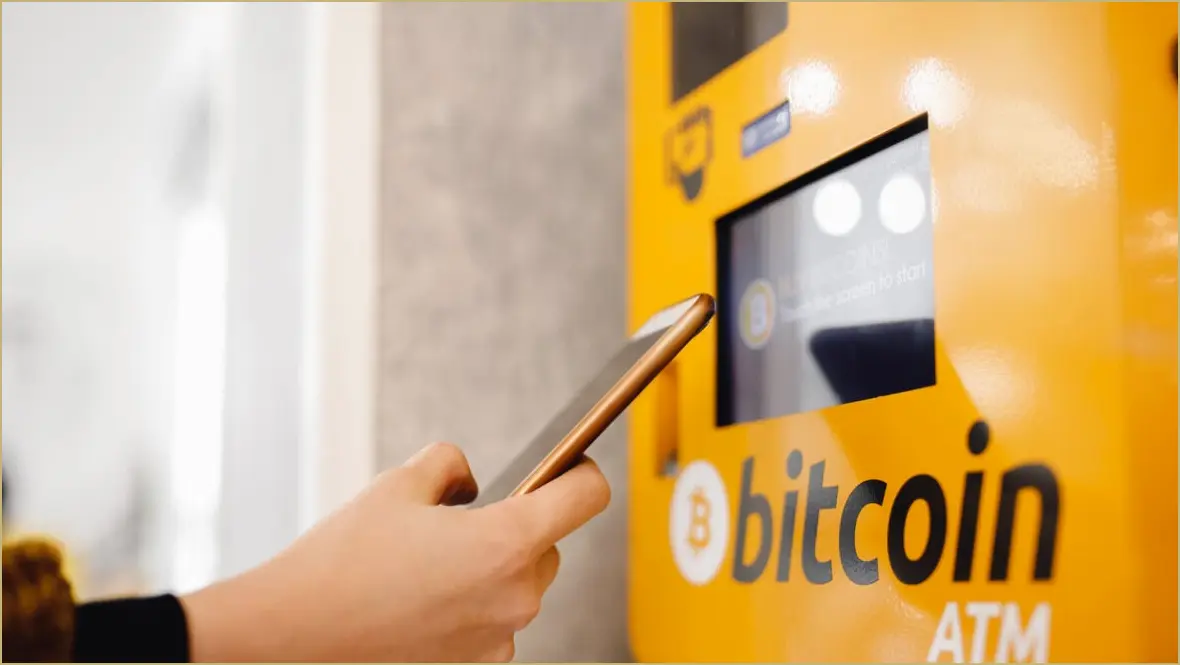
Legislators in Minnesota, with support from local law enforcement and the Department of Commerce, have proposed a statewide ban on crypto ATMs. Sponsored by Rep. Erin Koegel, House File 3642 was presented to the House Commerce Finance and Policy Committee on Thursday. This legislation aims to prevent the operation of virtual currency kiosks that accept cash or debit cards for immediate crypto transactions and seeks to revoke the regulatory framework established in 2024.
The previous law mandated that operators post disclaimers noting that cryptocurrency is not recognized as legal tender, established a daily limit of $2,000 for new customers with accounts under 72 hours, and allowed refunds for fraud victims who contacted both the company and law enforcement within 14 days. Officials from the Department of Commerce stated that scammers frequently circumvent these protections by instructing victims to use existing accounts or machines located in neighboring states like Wisconsin. In the last year, the department logged 70 complaints resulting in losses of $540,000, although many incidents go unreported.
Woodbury Police Detective Lynn Lawrence recounted a case involving a victim on a fixed income, who sent nearly half of her monthly income to fraudsters over six months via numerous bitcoin ATM transactions. “She feared she might end up living in her car due to her financial situation,” Lawrence shared. Sam Smith, director of government relations for the Commerce Department, informed lawmakers that “previous attempts to enhance consumer protections for crypto kiosks have been unsuccessful.”
Larry Lipka from CoinFlip, a major player in the crypto kiosk industry, recognized the fraud issue but opposed a total ban. “These scammers are ruthless. They are stealing from Americans,” he remarked, stressing that it’s unfair to eliminate a legal product due to the prevalence of fraud. Approximately 350 licensed crypto kiosks operate within Minnesota across eight to ten companies.
Nationwide Scams Targeting the Elderly
The issue follows a familiar trend across the country. Massachusetts Attorney General Andrea Joy Campbell recently sued Bitcoin Depot for allegedly enabling scams that resulted in over $10 million in losses for residents. Internal data indicated that scam-related transactions accounted for 13 to 16 percent in early 2023 but surged to over 50 percent of the transaction volume by January 2025. A 2021 review highlighted that 90 percent of clients working with one due diligence team were likely victims of scams. The company disputes these claims, stating they’re cooperating with law enforcement and now mandate identity verification for all transactions.
In Maine, a settlement of nearly $2 million with Bitcoin Depot was concluded, requiring the removal of all its kiosks from the state. In Kansas, regulators launched an investigation into crypto ATMs after a couple lost $20,000 to a scammer impersonating Apple support, directing the wife to deposit cash into a machine in Johnson County. Meanwhile, West Virginia’s House Finance Committee progressed House Bill 5353, which seeks to license operators, impose transaction limits, and establish fraud response protocols after reporting $7.6 million in losses the previous year. AARP West Virginia supported this bill, citing that individuals aged 60 and over represented 85 percent of reported national losses in 2024.
Rise of Pig Butchering Scams
According to reports on “pig butchering” scams, organized crime networks are increasingly using these schemes, which often involve coerced labor in locations like Laos, Cambodia, and Myanmar. Workers are manipulated into fostering relationships with victims on dating platforms, steering them towards deceptive crypto trading sites that promise fake profits. Once funds are sent, the fraudsters vanish. This term refers to the emotional manipulation aimed at draining victims before abandoning them. Many elderly individuals are targeted with assistance from crypto ATMs, as the machines require only cash and a QR code, avoiding the need for digital wallets.
Reports from the FBI indicate a growing problem, documenting almost 11,000 crypto ATM scam complaints totaling $247 million in 2024, a figure that escalated to $333 million in 2025, not accounting for December. However, the actual figures are likely much higher, as many victims refrain from reporting these crimes.
