


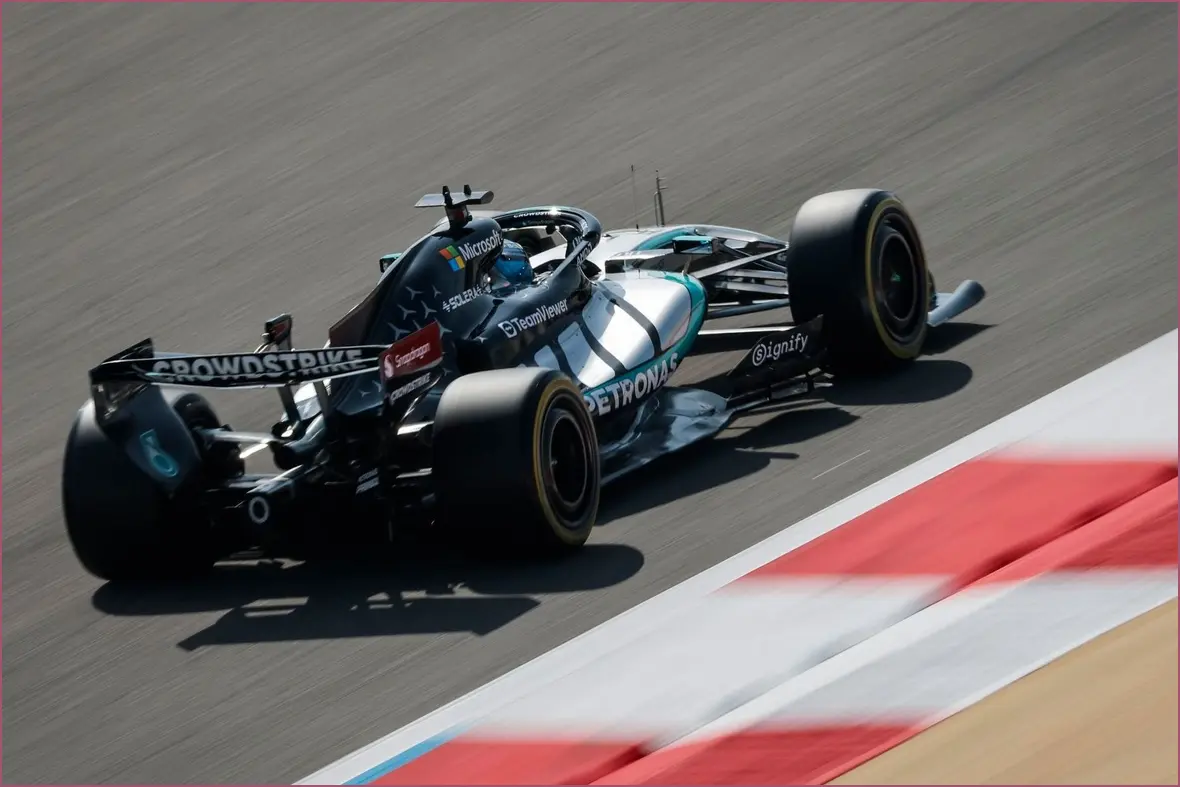
To clarify the situation: the current Formula 1 rules permit an internal combustion engine compression ratio of 16:1, measured at room temperature. All power units assessed in Australia were found to comply with the 2026 technical regulations.
Despite this, a controversial situation has emerged as some power unit manufacturers assert that Mercedes, by integrating a pre-chamber in the cylinder head, can achieve an 18:1 ratio when heated—this was allowed until the previous year. There remains no verified evidence that the Brixworth unit can reach this figure; however, the rumor originated from someone previously involved in the project who transferred to another team and disclosed this information. It is accepted, however, that it exceeds the 16:1 compression ratio.
After extensive discussions and significant embarrassment for the FIA, whose technical commissioner, Vincent Pereme, had confirmed the legality of Mercedes’ power unit, a unanimous decision was made in the Power Unit Advisory Committee (PUAC) to amend Article C5.4.3 regarding the compression ratio of power units.
New Regulations
The amended clause states:
No cylinder, as indicated in C5.1.3, of the Engine may have a geometric compression ratio exceeding 16.0, measured under the following conditions:
Until May 31, 2026: when the Engine is at ambient temperature.
From June 1, 2026, to December 31, 2026: measured at both ambient temperature and 130°C. Any mechanism designed to raise the compression ratio beyond 16.0 in these conditions is strictly prohibited.
Implications of Changes
Understanding the implications of these changes is vital, especially since specific data remains undisclosed. From June 1, the verification parameters will be altered. It’s unclear whether a tolerance increasing the maximum allowed ratio to 16.7:1, measured at 130°C, is included in these changes. Furthermore, it’s important to note that the oil temperature pertains to the six-cylinder engine.
It’s noteworthy that Audi and Porsche were proponents of the 16:1 compression ratio during the establishment of the power unit rules. What Mercedes can actually achieve remains uncertain, as does whether their current engine will comply after June 1. According to Mercedes, no changes are required, while competitors argue that modifications to the cylinder head may be necessary.
Upcoming Races
The timing of the June date is strategic, as it aligns with the race calendar. Each team has three power units for 24 Grands Prix, with each unit ideally lasting about eight races. The eighth race, the Monaco Grand Prix, is scheduled for June 7. If Mercedes needs to make adjustments, they could implement modifications during the second engine’s introduction, provided it meets reliability standards.
Additionally, since Petronas’ sustainable fuel is designed to take advantage of the energy potential from a higher compression ratio, it’s likely that a less aggressive fuel may be used in the new engine configuration.
