


The 19th edition of the Indian Premier League (IPL) has kicked off with an unfortunate disruption rather than the anticipated cricketing excitement. Just hours before the toss, the tournament finds itself entangled in controversy.
Last year, Bengaluru faced a horrific incident where 11 people died in a stampede during celebrations for the Royal Challengers Bengaluru. Recently, however, that same franchise achieved a record valuation with a $1.78 billion deal, showcasing the IPL’s commercial power while overshadowing previous tragedies.
GRIEF MEETS GREED
This year’s initiation should have been a moment of solemnity, yet it has devolved into political maneuvering. In a commendable gesture, the BCCI reportedly canceled the opening ceremony, opting for a subdued approach. RCB vowed to leave eleven seats vacant at every game to honor the victims of last year’s tragedy.
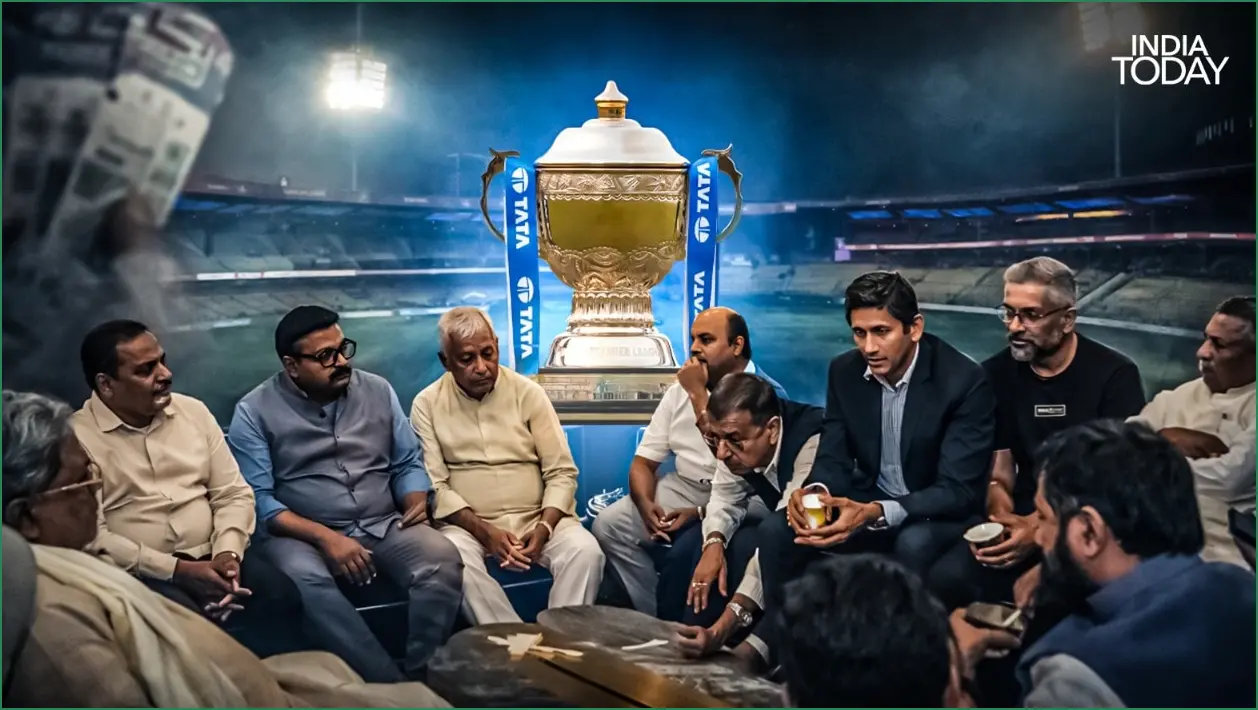
In stark contrast, Karnataka MLAs are demanding special treatment. Each legislator has acquired two VIP tickets for the opener and three for subsequent matches. There are reports of an entire stand reserved exclusively for them, as they seem unwilling to share the venue with the general public. It raises questions about their contributions to public service, especially considering the city’s ongoing challenges.
“We are VIPs. We cannot stand in queues,” stated Congress MLA Vijayanand Kashappanavar, reflecting a broader sentiment among lawmakers who seem to believe that public service entitles them to special privileges.
SEATS AND POWER
In a show of cross-party solidarity, Speaker UT Khader instructed the government to ensure that every MLA receives four VIP tickets at the Chinnaswamy Stadium. In response to this, Mr. Kashappanavar remarked on the need to respect elected officials, underscoring the disconnect between public service and elitism in Indian politics.
Despite various controversies surrounding ticket distribution, the focus remains on the expected attendees rather than the tragic incident that prompted the initial respect. With special arrangements being made for legislators, ordinary fans are left scrambling for scarce tickets, often at exorbitant resale prices.
THE COMMONER’S CHAOS
The disparity in treatment is evident as fans encounter difficulties in securing tickets—many of which vanish shortly after release, only to resurface at inflated prices on resale platforms. Notably, while politicians enjoy exclusive advantages, journalists face considerable hurdles in accessing coverage opportunities for the IPL.
This situation raises critical questions about who actually owns the game. It appears that, amid all the theatrics, the IPL is increasingly becoming the plaything of those with power rather than the players or loyal fans who support it.
