


Boxing in Film: A Storied Connection
Since the advent of film, boxing has stood out as a compelling spectacle ripe for cinematic exploration. The sport’s ability to encapsulate high-stakes emotions, intense physicality, and personal conflicts made it an ideal narrative vehicle. Additionally, boxing’s appeal across different social classes has further enriched its portrayal in film, subsequently sparking renewed interest in the sport itself.
The inaugural sports film, a brief 1894 clip featuring a six-round match between Mike Leonard and Jack Cushing, lasts only 23 seconds but has resonated through the decades. Over the years, numerous directors have been attracted to the narratives surrounding boxing, ranging from professional matches to amateur fights and no-holds-barred brawls. The British Film Institute’s latest season, The Cinematic Life of Boxing, delves into this intricate relationship, exploring how cinema has successfully engaged with the sport’s psychological, sociological, and political aspects.
Curated by Clive Chijioke Nwonka, an amateur boxer since childhood, the films in this series highlight the pursuit of authenticity in the portrayal of boxing as both a sport and a way of life. Nwonka emphasizes that the films selected resonate with human experiences such as struggle, poverty, and triumph. Unlike sports like football or cricket, boxing represents an intense direct conflict between two individuals, making its pressures and emotions readily identifiable.
Boxing films commonly showcase archetypal characters, including the underdog, the flashy champion, the unscrupulous promoter, and the jaded trainer. However, Nwonka’s curated films also suggest that boxing serves as a reflection of working-class realities. Titles like Fighters and Visconti’s Rocco and His Brothers explore themes of family, mobility, and resilience that transcend genres and eras.
Political undertones are often woven into boxing narratives. The 1974 “Rumble in the Jungle” between Muhammad Ali and George Foreman not only featured a monumental bout but also reflected larger ideological battles during the civil rights era. Recognized as one of the most significant fights in history, it was later documented in the acclaimed film When We Were Kings.
The Rocky franchise, which initiated in 1976, has evolved into a cornerstone of boxing cinema, with Sylvester Stallone’s personal struggles influencing its production. Stallone’s insistence on playing the lead resulted in a film that resonates with many aspiring boxers, proving that its impact extends beyond cinematic walls. While the original film laid down an ambitious template, sequels and spin-offs like Creed have revitalized the franchise for new audiences, exploring timeless themes of self-discovery and resilience.
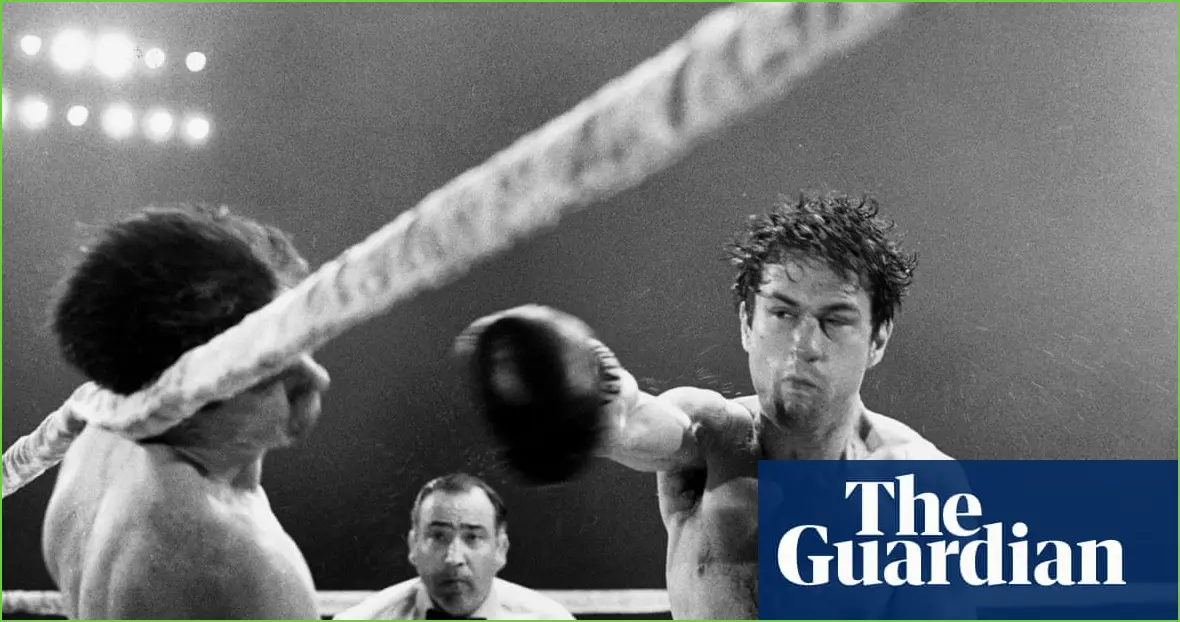
Nevertheless, boxing films face challenges in avoiding clichés, often falling into predictable storytelling patterns. Nwonka critiques projects like the recent Christy, which failed to connect due to lack of authenticity and reliance on formulas. He argues that boxing’s visual storytelling should focus on the human experience rather than excessive montages and choreographed violence. Works like Scorsese’s Raging Bull, with its raw depiction of the sport, exemplify how to effectively capture the true essence of boxing. Ultimately, the enduring nature of boxing stories lies in their reflection of humanity, making them relevant and compelling for generations.
