


China’s Diplomatic Push in the Iran Conflict
WASHINGTON (AP) — China is intensifying its diplomatic efforts regarding the Iran war, presenting a five-point plan in collaboration with Pakistan, seeking backing from Gulf nations, and opposing a UN proposal advocating for the use of force to secure the Strait of Hormuz.
This marks China’s latest attempt to assert a more influential position in international matters, though it may prove to be more about show than substance, especially with the U.S. seemingly indifferent to Beijing’s initiatives.
“The conflict involving Iran is the main concern for countries both in and outside the region,” stated Sun Yun, who leads the China program at the Stimson Center, a think tank in Washington. “China views this as a chance to showcase its leadership and diplomatic efforts.”
Former U.S. diplomat Danny Russel critiqued China’s approach as “performative,” likening the five-point proposal for resolving the Iran conflict to China’s previous 12-point plan for Ukraine in 2023, which was criticized for being filled with empty phrases without any follow-up actions.
U.S. Perspectives on China’s Mediation Efforts
Officials from the Trump administration display little enthusiasm regarding the potential for China to mediate, as per U.S. sources. There is a general disinterest in promoting third-party mediation or allowing China to enhance its international reputation or claim success in the Middle East.
One official described the administration’s stance towards the Chinese-Pakistani initiative as “agnostic,” lacking both approval and rejection, though this could shift if President Trump weighs in prior to his expected summit with Chinese President Xi Jinping.
China’s Strategic Interests Amidst the Conflict
Currently, China is less affected by disruptions in the Strait of Hormuz, having diversified its energy sources and reduced its reliance on oil. It imports only about 13% of its oil from Iran, and is working with Tehran to facilitate the passage of Chinese-flagged vessels through the crucial waterway, where Iran’s control has driven energy prices up. Furthermore, China maintains a significant strategic petroleum reserve.
Despite having positioned itself well against immediate shocks, analysts warn that Beijing is concerned about the ramifications of a prolonged conflict on its interests. “Escalation of the situation could negatively impact Chinese interests,” said Russel, citing China’s export-heavy growth model as vulnerable to energy disruptions and shipping issues, which could lead to increased costs and reduced global demand.
China’s Recent Diplomatic Efforts
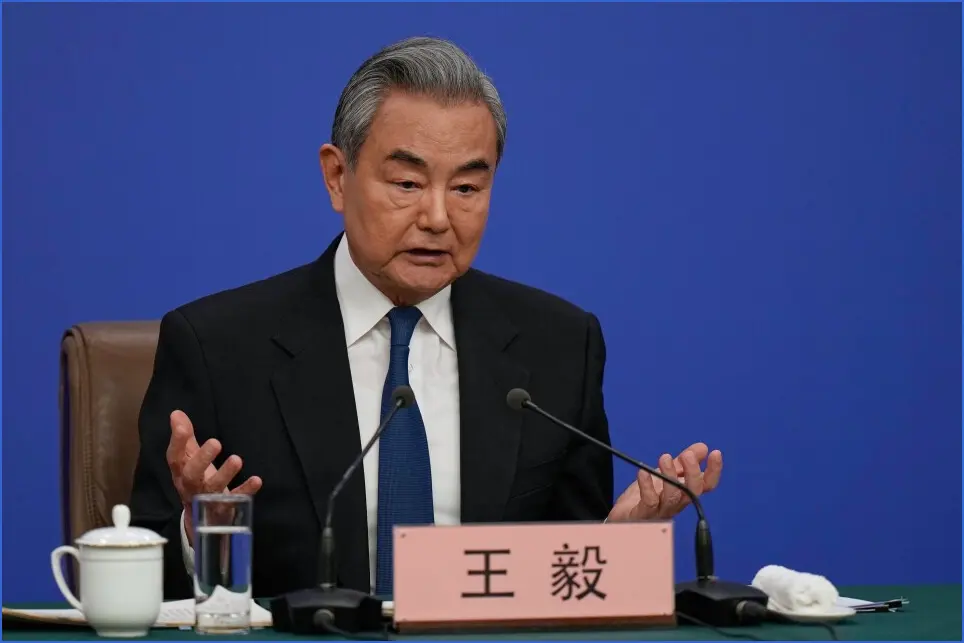
Since the war’s onset, Chinese Foreign Minister Wang Yi has engaged with officials from Russia, Oman, Iran, France, Israel, Saudi Arabia, and the UAE. He emphasized to Iran the value of their friendship, urged Israel to halt military operations, and expressed China’s readiness to contribute to peace efforts.
In the past week, Wang hosted discussions with Pakistan regarding their five-point proposal for ceasing hostilities and reopening the Strait of Hormuz. He has conducted over 20 phone conversations with foreign ministers in the region and has sent a special envoy to promote peace and reduce tensions. Additionally, he sought support for China’s plan from the EU foreign policy chief, emphasizing it as a representation of “broad international consensus.”
Wang communicated with Bahrain’s foreign minister to explain China’s opposition to Bahrain’s UN proposal advocating military intervention to open the Strait of Hormuz, arguing that UN actions should ease tensions rather than escalate conflict. Both China and Russia are wary that the U.S. or other nations might leverage a UN-sanctioned approach to fuel the ongoing war.
