


Volunteer Requirements for Formula 1 Grands Prix
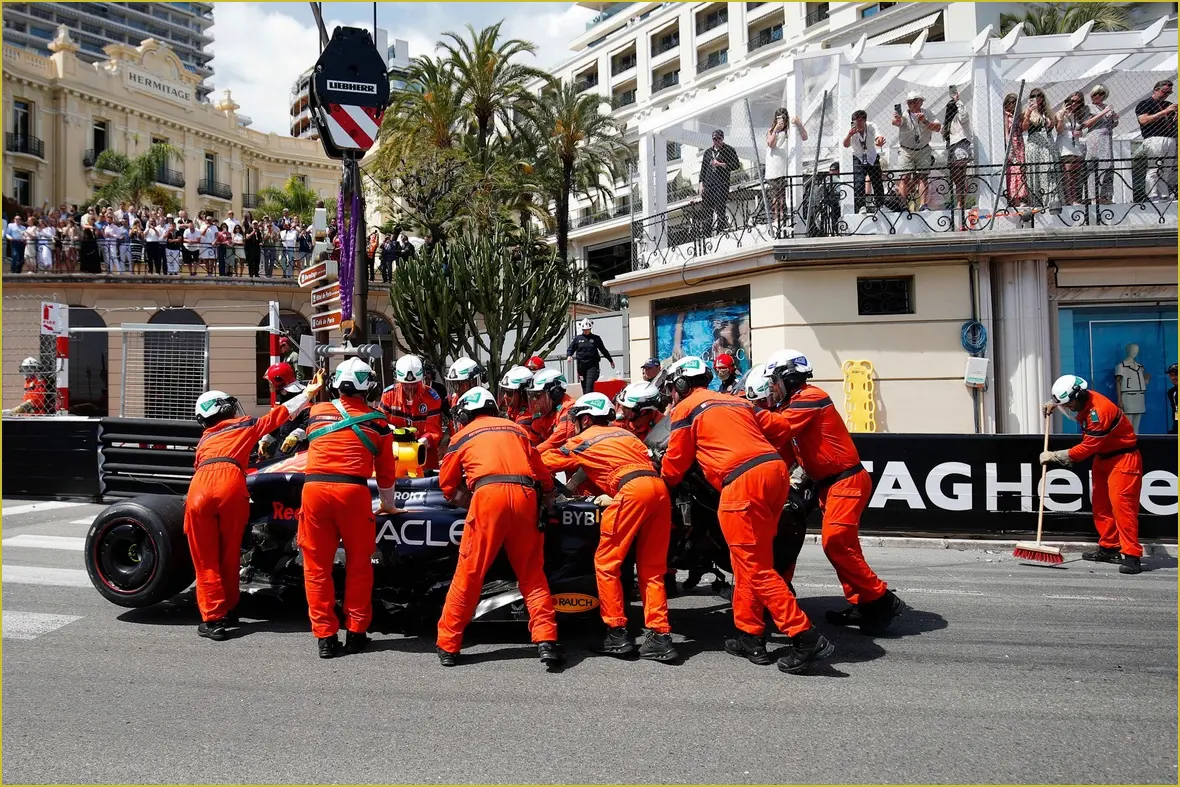
A recent study commissioned by the FIA has shown that over 20,000 volunteers are needed each year to effectively organize the 24 Formula 1 grand prix weekends, averaging around 838 volunteers per weekend.
Volunteers: The Backbone of Motor Racing
Motor racing is the sport most dependent on volunteers for the safe operation of its extensive array of events, ranging from grassroots competitions to the various world championships.
Research Insights from FIA University
To better understand the landscape, the FIA commissioned a report via FIA University, which aimed to assess the needs and contributions of its volunteer workforce while also providing recommendations for improvement. This involved surveying the FIA’s Sporting Organisers Working Group, representing the organizers and promoters of the 24 grand prix events.
Key Findings on Volunteer Workload
One significant finding indicates that an average of 838 volunteers, primarily marshals, are required to run each grand prix in 2025. This totals a workforce of 20,112 for the complete 24-race schedule. Volunteers contribute roughly 48 hours of work per race weekend, amounting to an estimated 965,376 hours over the season. Notably, two-thirds of these volunteers take annual leave or unpaid time off to participate. The report also estimates annual costs for training and recruiting these volunteers at €11.1 million, with the total labor value around €13.2 million.
FIA’s Vision for Volunteer Support
These statistics highlight the FIA’s commitment to expanding its volunteer base and enhancing support for them, as the average workload has increased by around 20%. Within Formula 1, there are ongoing efforts to professionalize roles such as race control and stewardship to ensure consistency in decision-making. A new Concorde Governance Agreement signed at the end of last season is expected to provide more resources to improve officiating standards.
Recommendations for Volunteer Management
The report suggests several measures, including appointing a welfare officer to oversee volunteers, investing in research and technology, and establishing a more systematic and professional approach to volunteer management. The FIA has already taken steps toward this by launching a new officials department to standardize training across local levels.
Future Training Initiatives and Volunteer Retention
The FIA is also implementing a high-performance program to train the next generation of stewards and race directors, with the first cohort of six graduates already joining FIA-sanctioned championships last year. The report supports the FIA’s plans for a specialized training center aimed at enhancing the quality and quantity of officials. Encouragingly, most volunteers express commitment, staying for at least five years, citing training and community as significant factors in their decision to remain involved.
