


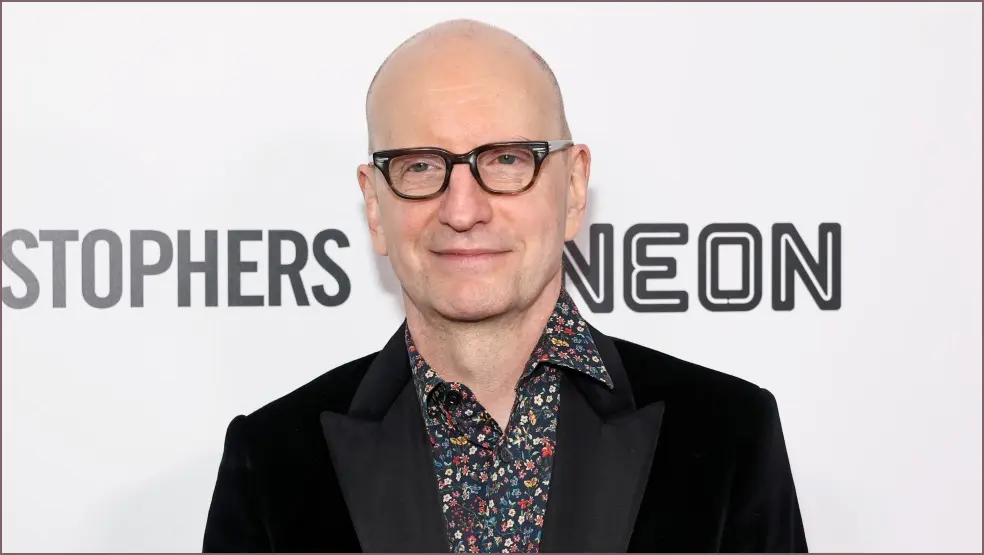
“The Christophers” tells the story of a once-great painter (Ian McKellen) and the enigmatic assistant (Michaela Coel) he hires to obliterate some of his unfinished masterpieces. The film resists easy classification, blending humor and tragedy while oscillating between a crime thriller and a character study, exploring the fragile essence of creativity. It poses the question: why do some artists lose their artistic drive?
“Genre wasn’t a primary focus for us,” remarks Steven Soderbergh, the film’s director. “We let human behavior guide us. The characters’ growth shaped the film’s path.”
Soderbergh and writer Ed Solomon are seated at a small desk in Manhattan’s Warren Street Hotel. Having previously collaborated on “No Sudden Move” and “Mosaic,” they are wrapping up promotional activities for “The Christophers,” which is set for limited release on April 10.
Their press tour stirred controversy when Soderbergh discussed employing AI in a forthcoming documentary about John Lennon, highlighting its creative potential. This candidness attracted significant backlash on social media, as critics expressed concern that such technology could threaten jobs in the entertainment industry.
Unfazed by criticism, Soderbergh reaffirmed his views on AI’s potential during the discussion, also reflecting on his partnership with Solomon, the artistic dilemmas explored in “The Christophers,” and a “Star Wars” project he had to abandon.
Soderbergh shared that the idea for “The Christophers” originated from a brief pitch over drinks. He envisioned an aging artist nearing the end of his career, accompanied by a questionable young apprentice. Solomon elaborated on this idea, introducing deeper themes of mentorship, ego, and legacy, leading to the question of what constitutes legacy.
Regarding the film’s protagonist, Julian—portrayed by McKellen—as a former acclaimed artist who succumbed to mediocrity after becoming a reality show judge, Soderbergh discussed the universal fear of creative decline. He emphasized that he seeks to create environments conducive to artistic output while navigating the complexities that come with sustaining high-quality work.
