



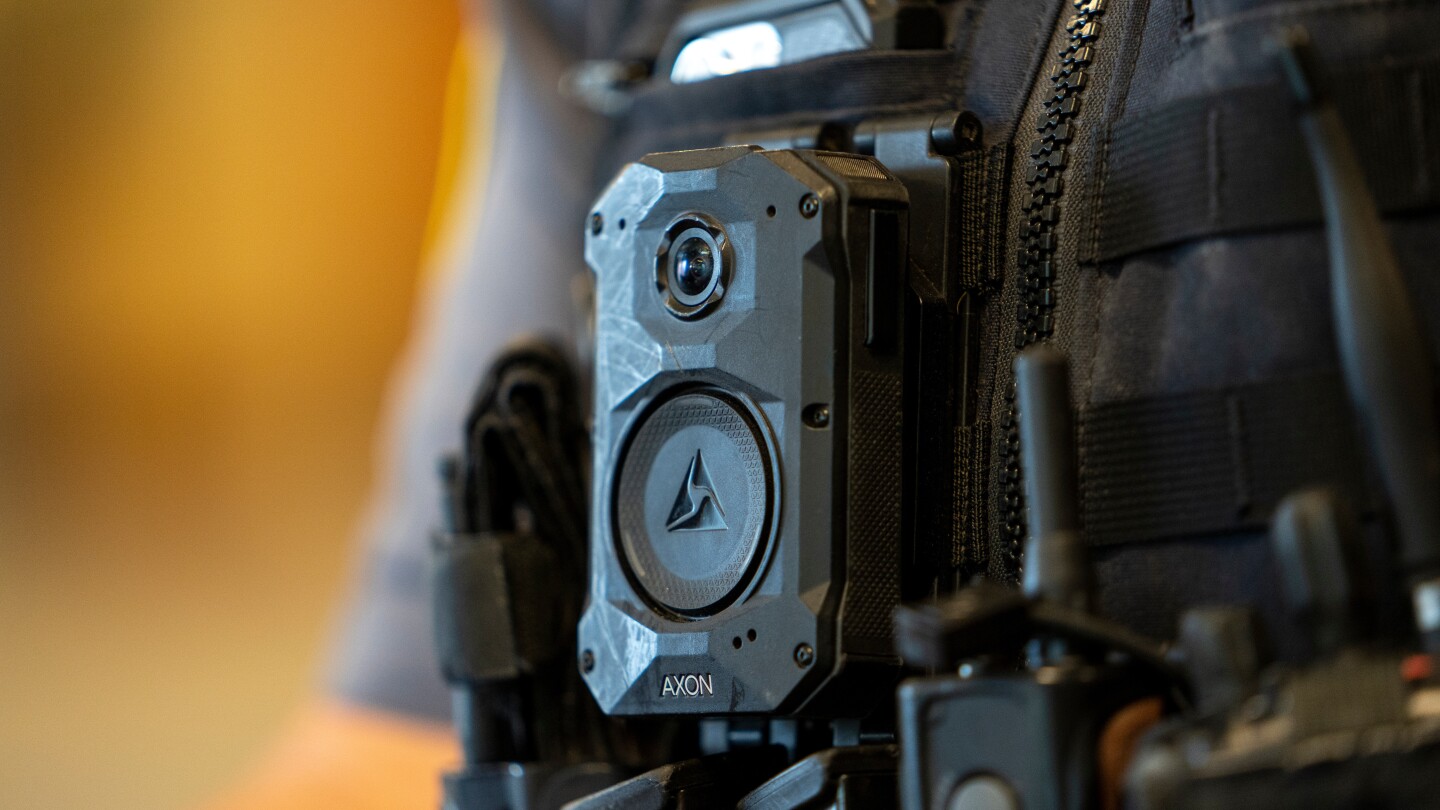
Edmonton Tests AI-Enhanced Body Cameras for Facial Recognition
Police body cameras in Edmonton, Canada, now utilize artificial intelligence to identify around 7,000 individuals on a “high risk” watch list. This pilot program tests whether facial recognition technology, often viewed as intrusive, could be effectively integrated into law enforcement across North America.
Despite Axon Enterprise, Inc.’s previous stance against the ethical implications of facial recognition technology, the launch of this project has raised concerns beyond Edmonton, which has a population exceeding 1 million. A former chair of Axon’s AI ethics board expressed worries that the technology is advancing without sufficient public discourse, thorough testing, or expert input on its societal and privacy implications.
Barry Friedman, currently a law professor, emphasized the importance of having clear benefits before employing technologies that come with inherent risks. Axon’s CEO, Rick Smith, clarified that this initiative isn’t a product rollout but rather “early-stage field research” designed to evaluate the technology’s effectiveness and establish necessary safeguards.
The pilot aims to enhance the safety of Edmonton patrol officers by enabling their cameras to identify individuals flagged for serious offenses, such as being armed or dangerous. Currently, there are 6,341 people on this list, along with an additional 724 individuals with serious warrants, as noted by Kurt Martin, acting superintendent of the Edmonton Police Service.
Should the pilot expand, it could significantly influence global policing practices. Axon, known for its Taser technology and as a leading body camera supplier, has been aggressively pursuing contracts in Canada and beyond. Competitor Motorola Solutions, while also capable of integrating facial recognition, has opted against its proactive deployment based on ethical guidelines.
The Alberta government has mandated that all police agencies in the province, including Edmonton, adopt body cameras as a transparency measure. Although many communities in the U.S. have welcomed body cameras, the integration of real-time facial recognition remains controversial across the political spectrum, largely due to concerns voiced by civil liberties advocates regarding racial bias and privacy violations.
The European Union has banned real-time facial recognition technology in public, reserving it for serious crimes, while the UK began testing it years ago, leading to arrests. The details of Edmonton’s pilot are yet to be fully disclosed, including the specific third-party vendor involved in the AI technology. This trial will continue until the end of December, focusing primarily on daylight hours, as factors like lighting will impact the project’s success.
