



Stingless Bees Granted Legal Rights in Peru
In a landmark decision, stingless bees from the Amazon have become the first insects in the world to receive legal rights. Advocates hope this pivotal move will inspire similar initiatives aimed at protecting bee populations globally.
This new legislation ensures the long-neglected native bees of the Peruvian Amazon—distinct from European honeybees due to their lack of a sting—are now recognized for their right to exist and thrive.
Indigenous communities have cultivated stingless bees since before the arrival of Europeans, and these bees play a vital role in pollinating the rainforest, contributing to biodiversity and maintaining ecological balance. However, they face threats from climate change, deforestation, pesticide use, and competition with European bees.
Constanza Prieto, from the Earth Law Center, emphasized the significance of this ordinance, stating, “This marks a new chapter in our relationship with nature, recognizing stingless bees as entities with rights and acknowledging their essential contribution to ecosystem preservation.”
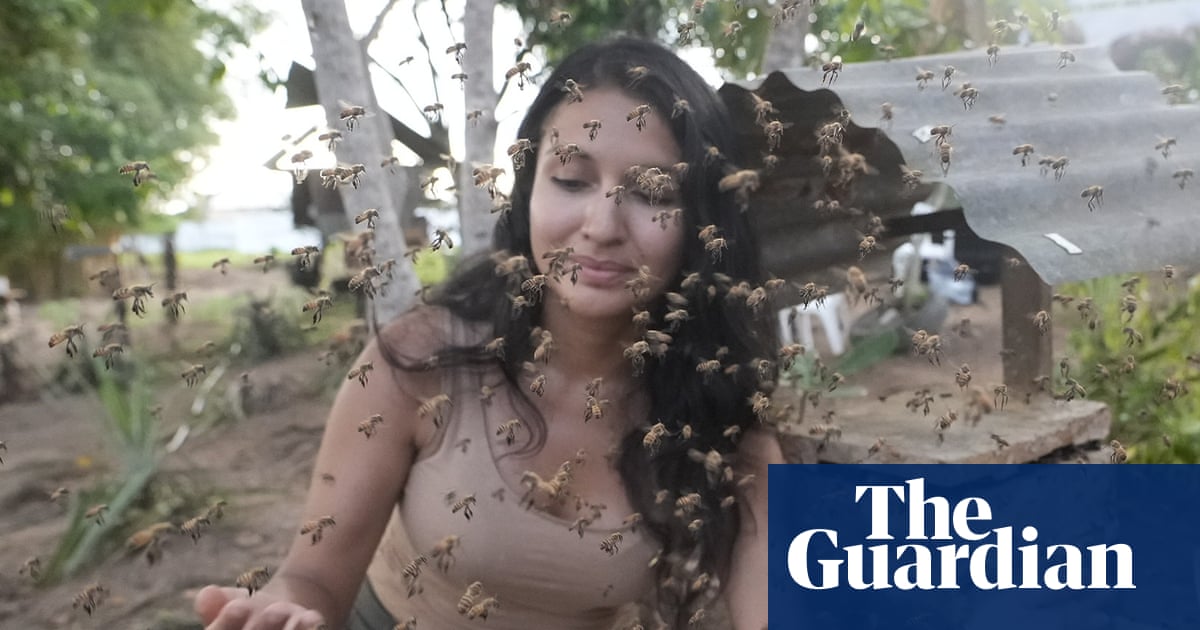
The groundbreaking ordinances, passed in recent months in two regions of Peru, followed extensive advocacy and research led by Rosa Vásquez Espinoza of Amazon Research Internacional. Her work involved partnering with Indigenous communities to document these bees and their ecological importance.
Despite being the oldest bee species, covering many varieties found globally, stingless bees constitute a crucial part of the Amazon’s ecosystem, pollinating over 80% of local flora, including vital crops such as cacao, coffee, and avocados.
The ordinances passed in municipalities like Satipo and Nauta ensure that these bees have legal recognition and protection from threats, facilitating habitat restoration and rigorous regulation of harmful substances. Supporters are calling for wider adoption of similar laws as a global petition has garnered over 386,000 signatures.
