



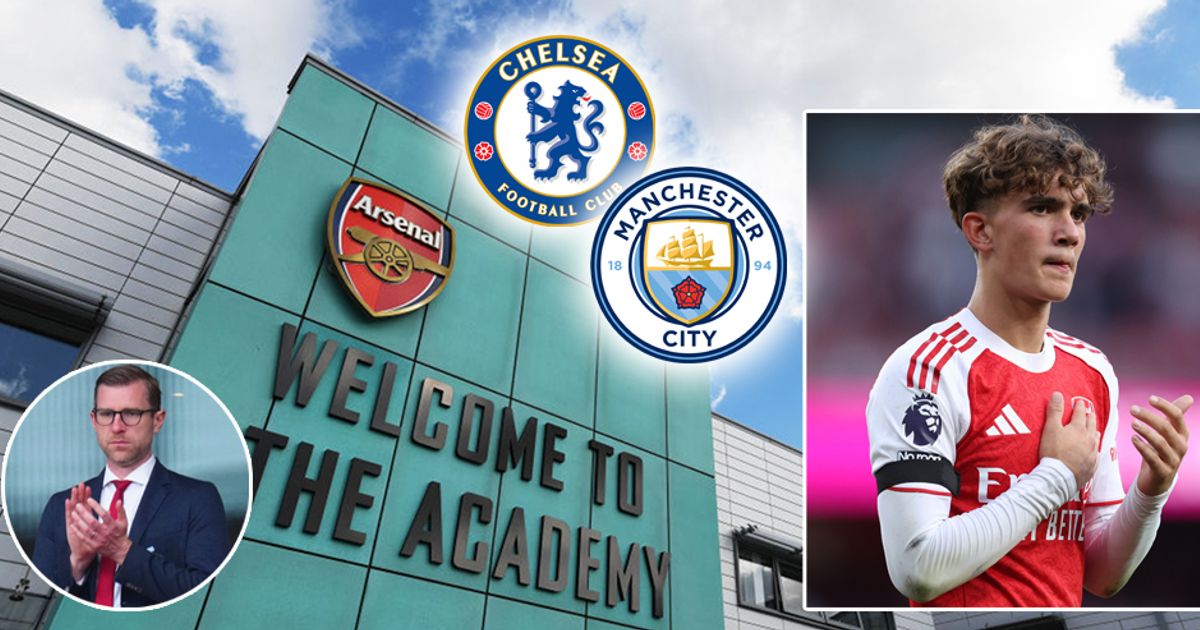
Arsenal has nurtured one of the most talked-about young talents of his generation, Max Dowman, who is poised to become the face of Arsenal and English football for the next decade, destined for stardom.
Along with Max, Arsenal boasts other promising talents like Ethan Nwaneri and Marli Salmon, showcasing the club’s excellence in scouting, youth development, and coaching. The club maintains a rich heritage, history, and prestigious reputation.
However, Arsenal faces challenges as clubs like Manchester City and Chelsea have taken a significant lead in this area. Both clubs are recognized for having top-tier academies that produce young talent at a remarkable rate, which is also a lucrative business model.
Twenty years ago, football academies primarily focused on integrating players into the first team, but the Premier League’s Elite Player Performance Plan emphasizes preparing players not only for professional careers but also for potential sale.
While the achievements of City and Chelsea are commendable—helping young players secure promising careers and benefiting financially—it underscores the growing emphasis on revenue generation, especially concerning Profit and Sustainability Rules. Chelsea stands out as the industry leader, earning £393.5 million from their academy, while Arsenal has garnered £112 million in the same timeframe.
City has earned £256 million from academy sales in the last five years, excluding additional clauses from those transfers. Notably, players like Jeremie Frimpong and Morgan Rogers began their journeys at City, highlighting their solid developmental framework.
Despite a rich talent pipeline almost operating independently of the first team, Arsenal must work to regain its competitive stance. The departure of prominent figures like Per Mertesacker as academy director and James Ellis as technical director signifies a need for restructuring. The new appointments must align with the club’s strategy of fostering talent while enhancing revenue generation to stay competitive.
