



BEIRUT (AP) — A City in Crisis
Beirut is currently overwhelmed as tensions rise. Following Hezbollah’s rocket attacks on Israel sparked by a U.S.-Israeli assault on Iran—its key ally—more than 1 million individuals have left their homes in southern Lebanon, including the southern suburbs of Beirut. Many have crowded into the capital, seeking refuge in already cramped conditions as Israeli airstrikes continue their onslaught.
Israel’s extensive military strikes and evacuation mandates—which have affected roughly 15% of Lebanon—have led to a rapid exodus from many villages, altering the demographic landscape of the city. This has instigated concerns regarding Beirut’s future and its altered geography.
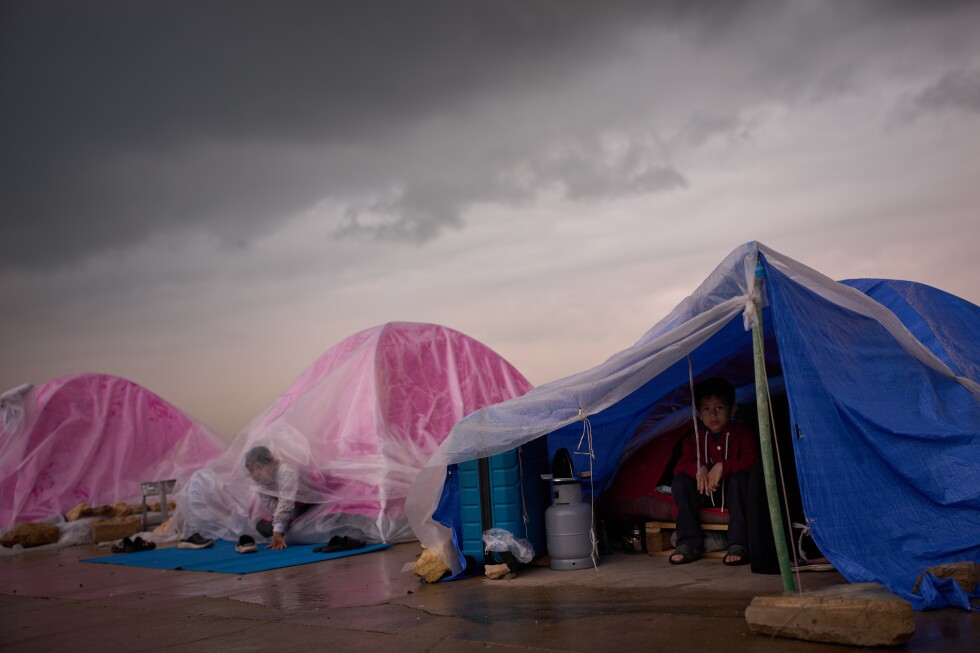
A sizable encampment has emerged along the city’s vibrant waterfront, with families taking shelter in various establishments, including storefronts and mosques, or simply sleeping in their cars. Tents made from tarps have appeared along growing areas like the coastal corniche and parks on the outskirts of Dahiyeh.
Local resident Noor Hussein remarked on the grim reality: “We feel this tension, that we’re not wanted here. We don’t want to be here; we have nothing and nowhere to go.” This sentiment reverberates through the increasingly desperate voices of many displaced families.
Escalating Displacement
The current situation is unprecedented, according to Dalal Harb, spokesperson for the UN refugee agency in Lebanon. Conflicts have previously displaced people, notably during the 2024 Israel-Hezbollah war, but the swift magnitude of this displacement—approximately 20% of the entire population—remains unparalleled.
Community Response
In response to the crisis, the government has repurposed schools as shelters and set up tents beneath stadium bleachers to accommodate those in need. Charities are also working tirelessly, transforming abandoned facilities, like a decimated slaughterhouse, into temporary accommodations for displaced families.
Shifting Dynamics in Beirut
Urban researchers highlight the stark contrast in the number of people on the streets compared to previous conflicts, creating a visible and urgent humanitarian situation in the city. As residents grapple with the influx of displaced individuals, feelings of mixed emotions arise, challenging local sensibilities about how these dynamics will reshape Beirut.
Residents of the southern suburbs, including families from Dahiyeh, continue to return occasionally to check on their possessions, as the loss of their homes becomes increasingly difficult to bear. For many, the thought of leaving Beirut, where they have connections, is unbearable, even as dangerous conditions persist.
