



Unexpected Preparedness
After Russia’s full-scale invasion of Ukraine, Silke Peters purchased a crank radio and camping stove, prompting her husband to jokingly label her a “prepper.” These items sat unused for nearly four years in their Berlin apartment until they proved essential during Germany’s longest power outage since World War II.
The Cause of the Outage
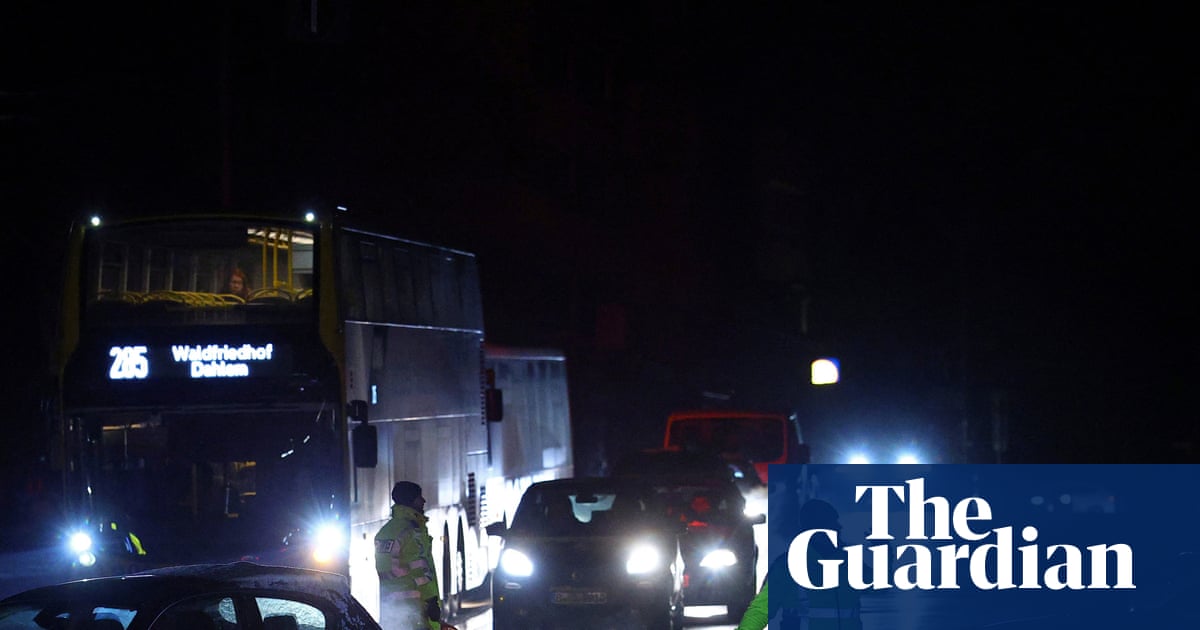
An arson attack by leftwing anarchist group, Vulkangruppe, resulted in power loss for around 45,000 households and numerous businesses, schools, and hospitals in south-west Berlin. The group’s goal was to disrupt those in power and criticize Germany’s reliance on fossil fuels. However, investigators have limited leads, with only some footprints found at the scene.
Recovery Efforts
As of Wednesday morning, power was restored to the remaining 20,000 households and 850 businesses, but the public remains anxious and frustrated about the attack and its implications for infrastructure vulnerability. Questions linger about the attack’s perpetrators, the fragility of the power grid, and preventive measures going forward.
Public Outcry
Residents expressed dismay over the city’s inadequate power security, questioning how such vulnerabilities could exist. Many felt anger directed at authorities for failing to maintain a secure energy infrastructure, especially during emergencies like this one.
Red Cross and Military Assistance
The Red Cross provided assistance, distributing supplies like thermal flasks to those affected while the military aided in delivering diesel for clinics’ emergency generators. When Berlin’s energy and economy senator, Franziska Giffey, visited affected areas, she acknowledged the seriousness of the infrastructure blow and emphasized the need for better security measures.
Calls for Investment in Infrastructure
Manuel Atug, an infrastructure expert, highlighted the system’s shortcomings and criticized lawmakers for not pressuring utility companies to enhance resilience. He pointed out that financial investment in infrastructure improvements is necessary, arguing that current government focus leans toward visible projects rather than essential energy network protections.
Community Support and Preparedness
In the wake of the blackout, Berlin witnessed a surge of community kindness, with establishments opening their doors to those in need. Silke Peters noted that her husband had secretly prepared their home with supplies, indicating that many in Germany are now openly acknowledging their preparedness efforts amid rising uncertainties in society.
