



© Chris Devillio / Shutterstock.com
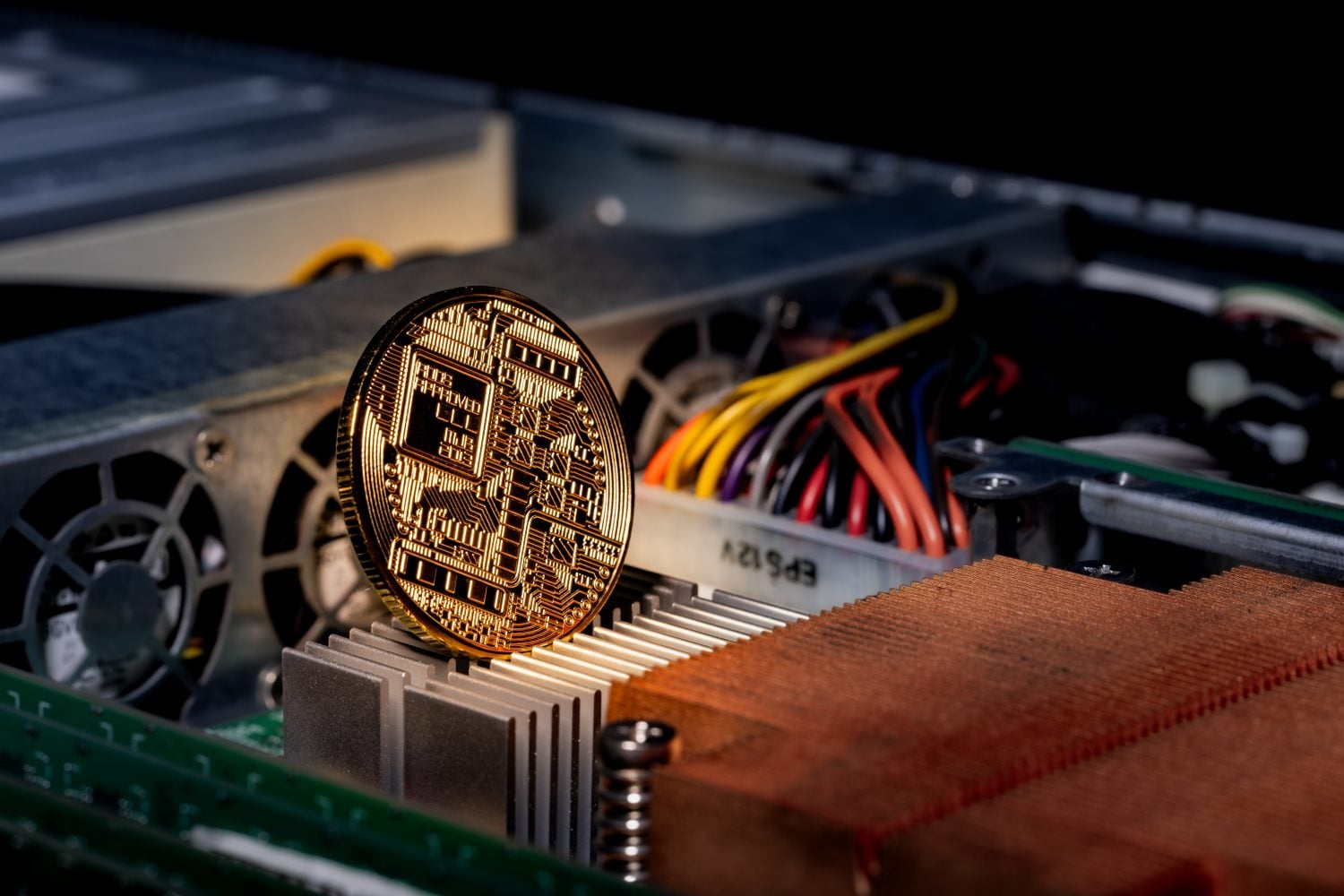
Bitcoin (CRYPTO: BTC) miners are demonstrating their strong belief in the cryptocurrency by heavily investing in its production, even as the cost now exceeds the market value of Bitcoin. According to CoinShares’ Q1 2026 mining report, the typical publicly traded miner spent about $80,000 to mine a single BTC last quarter, while Bitcoin is currently valued around $67,000.
Rather than waiting for prices to rebound, miners are making significant strategic shifts. Many are securing multi-billion dollar AI contracts, liquidating Bitcoin from their reserves, and even rebranding themselves away from Bitcoin-centric identities. This raises questions about the potential consequences for Bitcoin’s market price as its core producers distance themselves from it.
Understanding the $80,000 Mining Cost
The primary factor driving up Bitcoin mining expenses is the April 2024 halving event, which reduced the block reward from 6.25 BTC to 3.125 BTC. This change effectively doubled the production cost per Bitcoin as miners receive less while maintaining their energy and computational efforts. Additionally, the broader economic conditions exacerbate this issue.
Electricity constitutes about 75-85% of a miner’s costs. The ongoing conflict in Iran has raised oil prices beyond $100, impacting global energy rates due to disruptions in the Strait of Hormuz, which manages a significant proportion of the world’s oil and gas supply. As miners face increased operational costs post-halving, their profit margins continue to shrink.
This financial strain is visible on the Bitcoin network, with a recent three-consecutive drop in mining difficulty—the first such streak since July 2022. The network’s hashrate diminished from a peak of 1,160 EH/s to around 920 EH/s as unviable operations exit the market. Average block completion times have risen over 12 minutes, significantly longer than the desired 10 minutes.
Miner Strategies Amidst Challenges
In light of the challenging market, publicly listed miners are pivoting away from their traditional roles. Rather than waiting for Bitcoin’s price to return to profitable levels, many are diversifying. Reports indicate they have secured over $70 billion in AI and high-performance computing contracts utilizing their existing power infrastructures. Notably, Core Scientific has a $10.2 billion deal with CoreWeave, while Hut 8 has signed a $7 billion data center lease.
CoinShares forecasts that by the end of 2026, listed miners could earn up to 70% of their revenue from AI, a rise from around 30% currently. This shift has drawn investor interest, with miners securing AI contracts trading at double the valuation compared to those focused solely on Bitcoin. This highlights the perceived greater value of their infrastructure when employed for AI systems.
Implications for Bitcoin’s Price
For current Bitcoin holders, the miners’ crisis is applying additional selling pressure, further complicating an already fragile market. As miners divest both newly mined coins and long-held reserves to fund their transitions, the supply in the market increases amidst weak demand. If Bitcoin remains below $80,000, CoinShares predicts further capitulation, especially as the next difficulty adjustment in early April is expected to drop once more.
With the ongoing adjustments in mining difficulty and the historical context of similar situations, the outcome could lead to a temporary exit of less efficient miners. Over time, those that remain may benefit as costs decrease, leading to reduced selling pressure and a potential recovery in Bitcoin prices, provided the support level of $66,000 holds.
