



Sure! Here’s a paraphrased version of the article with the core information preserved and structured into HTML format:
<div>
    <h2>Brendon McCullum's Leadership Under Fire</h2>
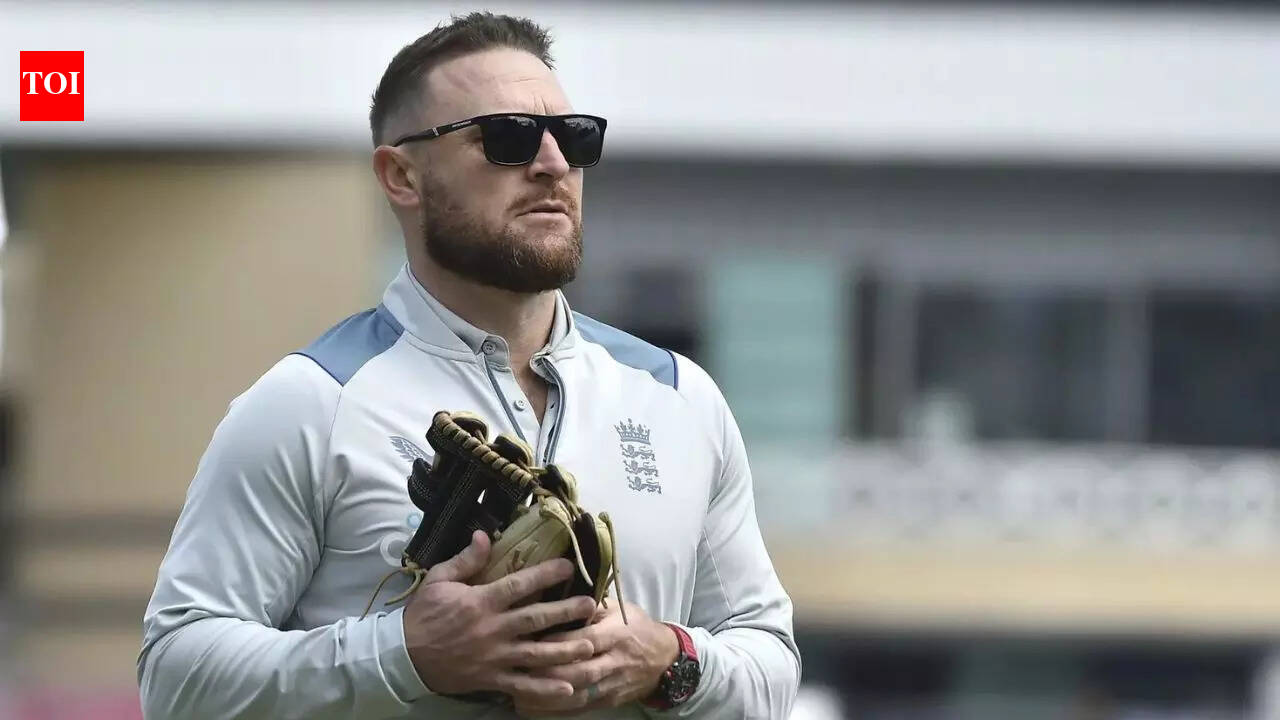
    <p>The tenure of <a href="https://timesofindia.indiatimes.com/topic/brendon-mccullum" target="_blank">Brendon McCullum</a> as head coach for England’s cricket team is facing severe criticism following alarming reports regarding the team's culture during the disastrous Ashes series. Sources from Telegraph Sport suggest that the atmosphere in the dressing room blurred boundaries between camaraderie and discipline, raising significant doubts about the effectiveness of leadership and accountability.</p>

    <p>England's unfortunate outcome in the Ashes was not merely a defeat; it highlighted a deeper systemic collapse. Inadequate preparation, including a lack of substantial warm-up games, left the team ill-equipped for the challenges posed by Australian pitches. The once-celebrated “Bazball” strategy quickly fell apart after a heavy loss in Perth, exposing England's absence of a backup strategy.</p>

    <h3>Cultural Concerns in the Dressing Room</h3>
    <p>The Telegraph report voiced concerns that a select group of players felt a bond with McCullum, as they favored social activities like drinking and golfing, inadvertently forming a clique. This division became more visible under the pressures of the Ashes losses, with some players believing that this laid-back culture deprived them of their once-in-a-lifetime opportunity in Australia.</p>

    <h3>Off-Field Controversies Amplify the Issues</h3>
    <p>The situation worsened due to several off-field incidents. Accounts indicated that England players engaged in excessive drinking during a break in Noosa, with some claiming they partied for up to six days during a nine-day hiatus between Tests. Controversies surrounding player Harry Brook, including a nightclub incident before the Ashes, further fueled scrutiny, together with reports of gambling and visible intoxication among players during the tour. These distractions were perceived as detrimental to England's overall performance.</p>

    <p>The England Cricket Team (ECB) faced significant setbacks as poor selections and fitness issues added to the turmoil. Key player Shoaib Bashir was ruled out due to fitness concerns, and misplaced confidence in Ollie Pope proved damaging. Mismanagement of fast bowlers like Mark Wood and Jofra Archer left England lacking the necessary firepower throughout the demanding five-Test series.</p>

    <h3>Changes in Response to the Ashes Review</h3>
    <p>Following a review of the Ashes series, ECB chief Richard Gould announced a shift in team culture. Players would face consequences for public intoxication, social media posts regarding alcohol, and were required to notify management of their whereabouts after 9 PM, along with a midnight curfew.</p>

    <h3>McCullum's Resilience and Adaptability</h3>
    <p>Amidst the turmoil, McCullum took a crucial step by participating in England’s white-ball tour of Sri Lanka despite his initial reluctance. His arrival shortly after the Ashes allowed him to demonstrate adaptability and a commitment to positive change. He embraced stricter rules imposed by management and agreed to enhance the coaching staff, leading to immediate improvements. England turned things around, securing a series win that alleviated some pressure from the management.</p>

    <h3>Future Prospects and Ongoing Challenges</h3>
    <p>Building on that momentum, England entered the World Cup with visible improvements. While Harry Brook excelled in a new batting position, the team still faced challenges. A semi-final loss to India underscored persistent issues under pressure, showcasing that despite progress, England faltered again at crucial moments. McCullum acknowledged his mistakes during the Ashes, and although there have been discussions between him and the ECB, he remains in his position for another 18 months, avoiding costly dismissal for the board.</p>
</div>
Feel free to let me know if you need any changes or further adjustments!
