



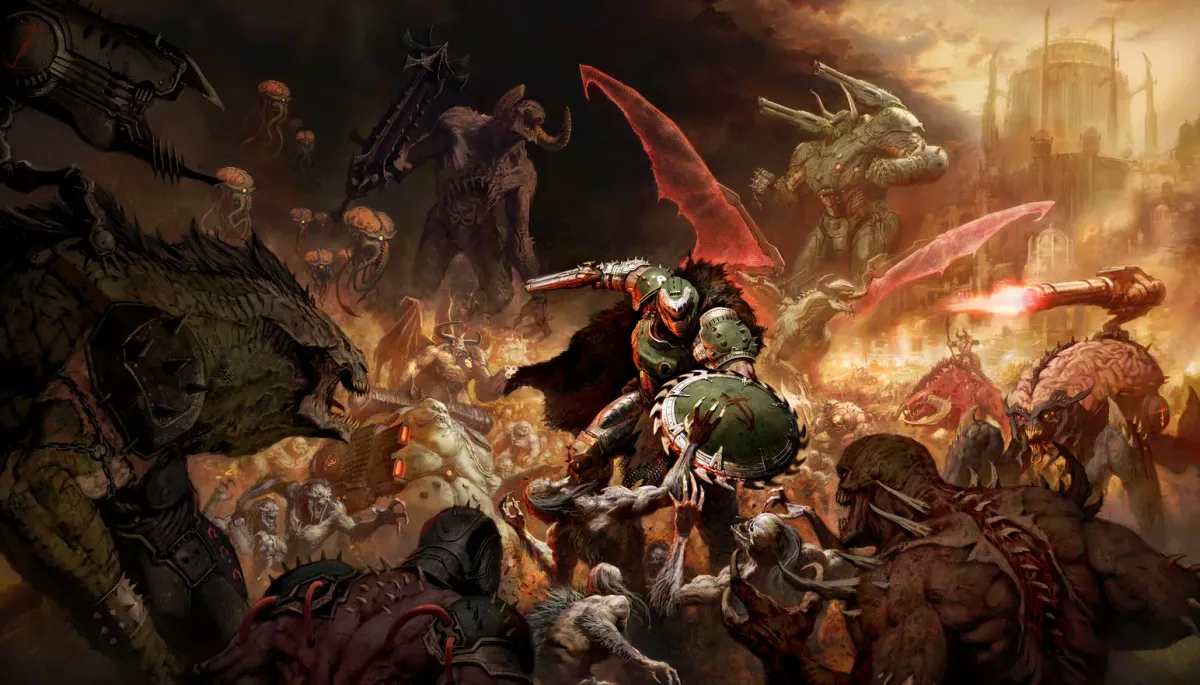
Formation of Union at id Software
Today, a significant majority of employees at id Software, which includes 165 out of approximately 185 staff members, declared their intention to establish a comprehensive union in collaboration with the Communications Workers of America (CWA). The CWA has previously supported numerous gaming workers at Microsoft in their organizational efforts.
Historical Context and Motivation
Andrew Willis, a producer at id Software and an initial organizer, emphasized the studio’s historical significance: “id Software is a notable American studio that has stood the test of time.” The unionization movement among workers began about a year and a half ago but gained momentum after Microsoft’s abrupt closure of several Bethesda studios in 2024.
Influence of Recent Events
Chris Hays, lead services programmer at id Software, noted that Bethesda’s unionization prompted discussions within id. The layoffs and closures at Tango Gameworks and Arkane Austin served as a wake-up call for many at id, motivating them to take control of their future.
Protecting Worker Rights
While id Software experienced a few layoffs recently, the scale was minor compared to the significant cuts at Zenimax Online Studios earlier this year. Hays believes it’s essential to advocate for workers’ rights now to prevent potential future layoffs. Previous unionized studios showed that negotiations can lead to job protections and benefits for employees during turbulent times.
Union’s Focus Areas
The union aims to survey its members on priorities before negotiating a contract with Microsoft. Initial discussions have highlighted key issues such as benefits, remote work, and the use of AI. Hays expressed concerns regarding the lack of clarity around employee benefits and emphasized the need for protections regarding remote work and responsible AI implementation.
Looking Ahead
With a separate neutrality agreement still in effect until May 2026, id Software’s organizing efforts benefit from a more open dialogue compared to others facing pushback. Hays aims to leverage successful bargaining from other studios to establish similar protections for id’s workforce regarding AI use.
Industry Perspectives and Future Implications
Willis emphasized the need for greater input from developers in decision-making processes, criticizing the lack of gaming experience among executives. He believes that a higher unionization rate in the gaming industry would not only benefit individual workers but also retain experienced talent, fostering a healthier environment for game development.
