



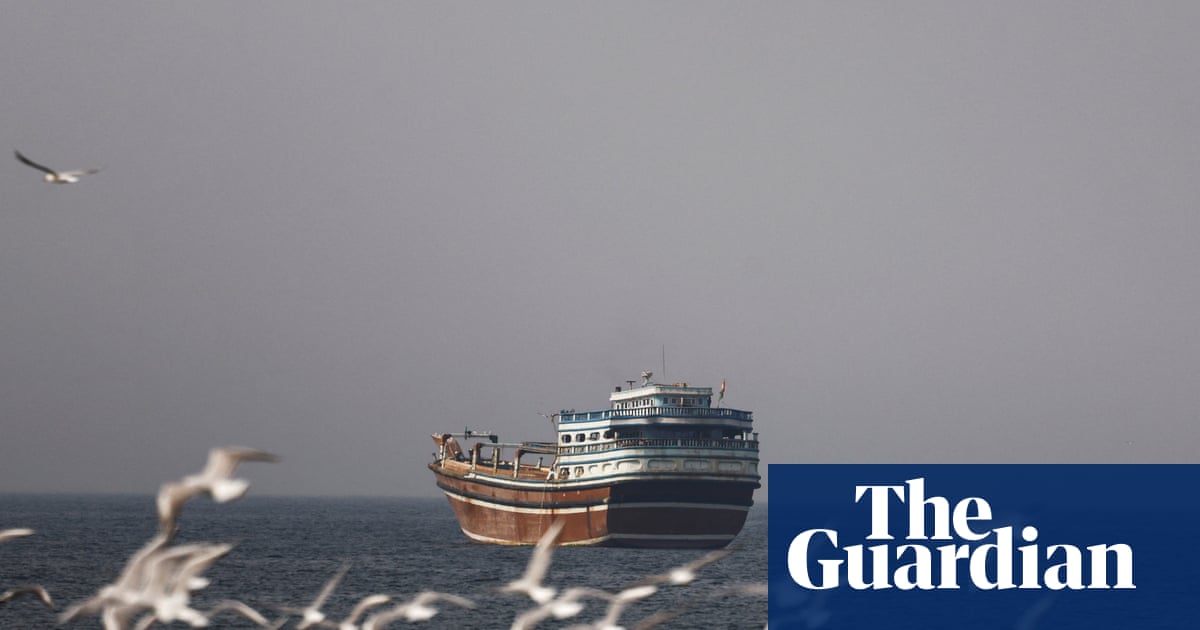
Chinese Call for Protection of Vessels in Hormuz
The Chinese government has urged all parties to ensure the safety of vessels navigating the Strait of Hormuz amid rising tensions related to the conflict in Iran. This comes as shipping costs have significantly increased.
Impact of Military Actions
Following missile strikes by the US and Israel on Iran, maritime activities through the Strait—a crucial passage linking the Persian Gulf to the Gulf of Oman—have effectively ceased, prompting Iran’s retaliatory actions.
China’s Oil Dependency
China, as the largest global importer of oil and fossil fuels, has been notably reliant on Iranian oil. Thus, disruptions in energy shipments put it at significant risk.
Global Trade and Shipping Crisis
The Strait of Hormuz, a vital trade route, has seen no vessel movement for four days, accounting for approximately 20% of the world’s maritime crude oil traffic and a significant portion of liquefied gas and fertilizer transport.
Incident Reports and Consequences
Iranian forces reportedly attacked the Honduras-flagged tanker Athe Nova, igniting significant concern. Moreover, around 150 oil and gas tankers have anchored in the Gulf, equating to 4% of the global fleet by tonnage.
Rising Energy Prices
As energy-producing nations, including Qatar and Saudi Arabia, halted production facilities, oil and gas prices have surged again this week, intensifying global market pressures.
Shipping Routes and Insurers React
Major shipping firms have been forced to reroute their vessels around Africa. The increase in diversion is substantial, indicating systemic changes rather than mere caution. Leading marine insurers have also cancelled war risk coverage for Gulf operations, adding to the trepidation surrounding maritime logistics.
