



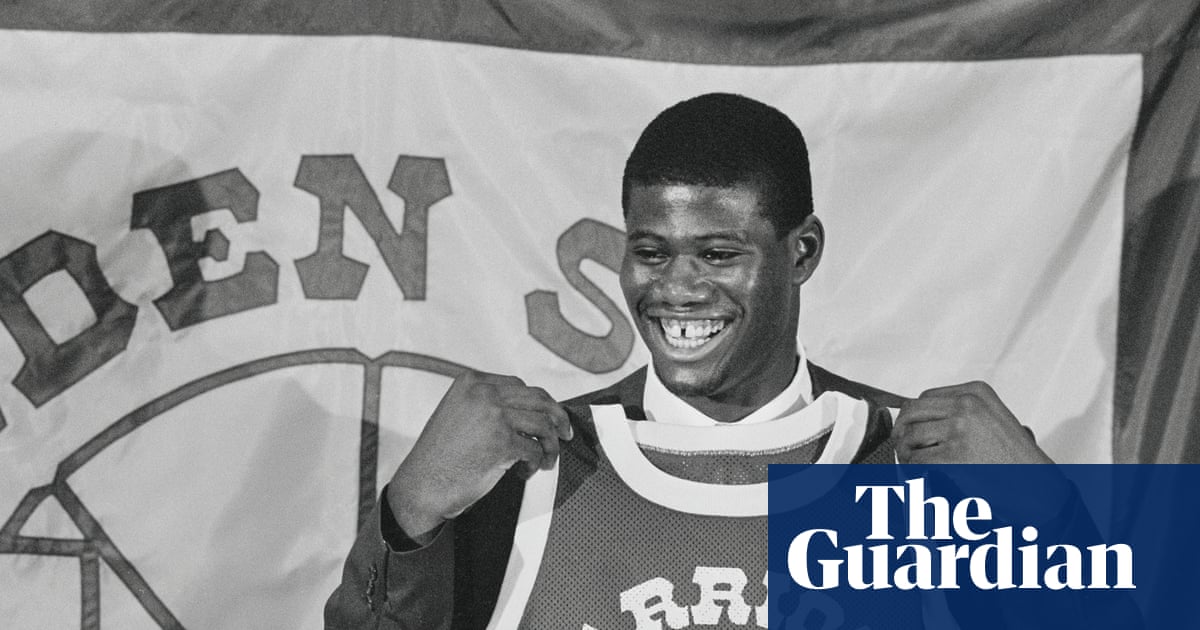
The Drafting of Chris Washburn
When the Golden State Warriors selected Chris Washburn as the No. 3 pick in 1986, it should have marked the beginning of a promising career. Instead, for the 6ft 11in NC State player, it turned into a challenging experience.
A Feeling of Isolation
“I put on a smile because they were paying me to be out there,” Washburn shared with the Guardian. “But I felt alone.” Having moved from Hickory, North Carolina, to Oakland, he hoped the team could provide support. With teammates like Sleepy Floyd and Chris Mullin, Washburn started off strong, performing well in preseason and securing a starting position. However, things quickly took a turn.
The Struggles with Addiction
“But drugs took a toll,” Washburn recalls. “My mind wasn’t on basketball. A lot of times, I was on the bench watching the clock tick down because as soon as the fourth quarter was over, I could leave to go get high.” The NBA’s notorious “cocaine era” has been chronicled extensively, but the root causes of players’ addictions are often overlooked. Washburn notes the lack of attention from teams during that time, saying, “No one paid attention.”
Realization and Regret
Ultimately, Washburn places the blame for his downward spiral on himself. “All I had to do was stop,” he admits. Despite understanding the consequences, he found more excitement in substance use, leading to deep feelings of loneliness and depression as a young athlete.
The Impact of NBA Culture
Having entered the league during efforts to distance the NBA from its past in the 1970s, Washburn recalls that there were strict warnings against drug use. Nevertheless, many athletes, from All-Stars to newcomers, faced addiction issues. Washburn, who only played 72 regular-season games and six playoff ones, reflected, “I couldn’t handle the drugs.”
The Aftermath of a Short Career
Following his brief stint in the NBA, Washburn experienced significant challenges, including homelessness and legal troubles. Although he had opportunities for rehabilitation, he resisted, instead choosing to indulge in his addictions. He insists that his struggles didn’t stem from childhood trauma but rather from a need to break free from conventional expectations.
Finding Redemption
Today, Washburn shares his experiences with addiction, seeking to guide young athletes and potential stars like Ja Morant. Having learned from his past, he is married and back in Hickory, where he co-wrote a memoir, Out Of Bounds. He emphasizes the importance of relationships and supports those grappling with similar issues, reminding them that mistakes can lead to redemption.
