



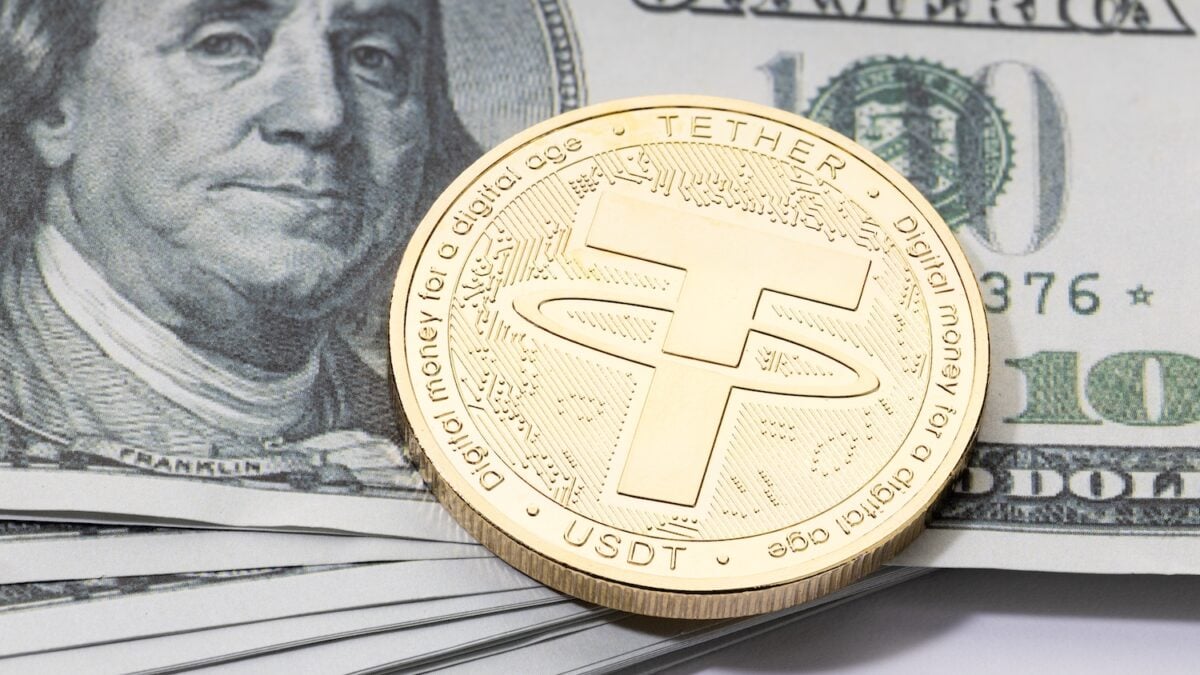
Surge of Stablecoins in 2025
In 2025, stablecoins gained immense popularity, driven by the GENIUS Act, which clarified regulations for dollar-pegged cryptocurrencies. Major tech companies like Stripe and Sony also entered the arena with their own offerings related to stablecoins, enhancing the market further.
Profit and Controversy
Reports suggest that President Trump has made significant profits from stablecoins and the broader cryptocurrency sector. However, the USD1 stablecoin tied to him faces serious corruption allegations. Notably, Wall Street’s Tom Lee described stablecoins as akin to crypto’s ChatGPT moment, reflecting sentiments from a Citi report earlier that year.
Adoption Metrics Under Scrutiny
The crypto industry often cited blockchain statistics to claim that 2025 was a record year for stablecoins; however, a new report from McKinsey Financial Services challenges these assertions. According to the report, only a minor fraction—approximately 1%—of the nearly $35 trillion total transaction volume relates to tangible payments, indicating that stablecoin adoption merely represents 0.02% of global transactions.
Key Payment Activities
The report points out that Business-to-Business (B2B) transactions and international remittances primarily drive stablecoin activity. Activities like fund movements on exchanges or automated smart contract operations should not be factored into payment adoption metrics. Interestingly, around 60% of stablecoin-related transactions are emerging from Asian markets, notably Singapore, Hong Kong, and Japan.
Exaggerated Adoption Claims
Misleading adoption statistics have been a recurring theme in the crypto space. Various metrics, such as increased activity in decentralized finance (DeFi), have been used to promote inflated narratives. Additionally, past hype focused on transaction speeds has often overshadowed the core value of the underlying technology.
Growth Amid Challenges
Despite inconsistencies in reported stablecoin adoption, genuine growth is observable. For instance, the $390 billion in stablecoin transactions for 2025 is a substantial increase from the preceding year. Furthermore, the total supply of stablecoins has risen dramatically from under $30 billion in 2020 to over $300 billion today.
Complexities and Future Implications
However, this growth is not without its pitfalls, as stablecoins have become the primary means for illicit crypto exchanges, according to Chainalysis reports. Additionally, the Central Bank of Iran’s adoption signifies the complex implications of stablecoins in regulatory landscapes. The surge in stablecoin usage has also led to a divide between those focused on ideological values and fintech firms prioritizing adoption metrics, raising questions about the overall trajectory of decentralized networks in light of growing centralization.
