



It seems like the last major crypto market crash happened just yesterday. In 2022, a hype-driven frenzy featuring celebrities and media coverage quickly turned into a catastrophe. The collapse involved Sam Bankman-Fried’s fraudulent FTX exchange, along with many other significant crypto projects. Bitcoin, the most prominent cryptocurrency, plummeted from over $64,000 in 2021 to around $17,000 by the end of 2022, dragging the entire crypto sector down with it.
We all seemed to awaken from a strange collective dream where digital images of cartoon monkeys sold for prices rivaling those of an average home. Trading fictitious digital tokens promised unimaginable riches to the brave. After the crash, most people wanted to avoid terms like “blockchain,” “NFTs,” or “Bitcoin.” Despite a mild recovery in 2024, the negative sentiment from 2022 lingered.
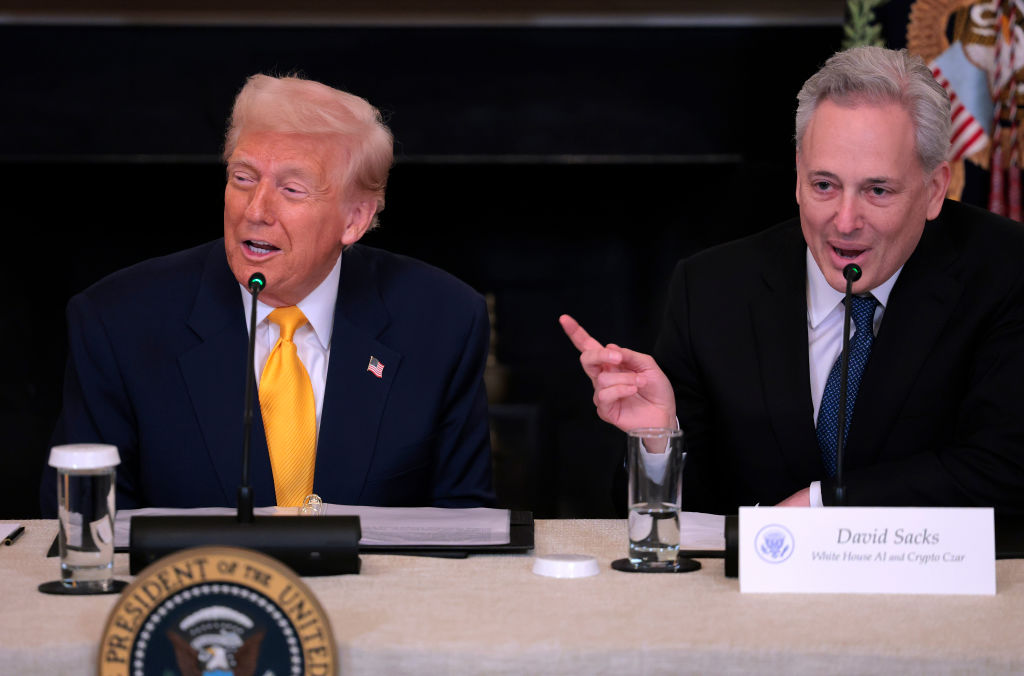
Then, Donald Trump re-entered the scene, vowing to restore crypto to its former glory and establish the U.S. as the “crypto capital of the world.” The crypto industry, marking a new phase in its development, generously funded Trump and other crypto-friendly candidates during the 2024 elections. According to Public Citizen, nearly half of corporate campaign donations came from the crypto sector. On the campaign trail, Trump, now a crypto enthusiast, promised to elevate Bitcoin prices “like never before.”
This Trump-crypto alliance significantly benefited the industry and the Trump family. By January 2026, the Trump family’s wealth surged by over $1.4 billion, thanks to their diverse crypto ventures ranging from TRUMP and MELANIA “memecoins” to NFT trading cards and a Bitcoin mining firm. Utilizing his political power, Trump quickly deregulated an already loosely regulated sector, issuing pardons to crypto criminals, advocating for pro-crypto legislation, and launching a Strategic Bitcoin Reserve, while his regulatory appointees dismissed major investigations concerning fraud and market manipulation.
With new regulations favoring crypto, the market began to flourish, causing Bitcoin prices to reach an astonishing $126,000 last October. The total crypto market capitalization soared from $1.7 trillion at the end of 2023, to $3.5 trillion by the following year, eventually surpassing $4 trillion by September 2025.
However, just months later, despite extensive efforts to stimulate growth, the market retreated to above $2 trillion, with Bitcoin struggling to reach the $70,000 mark. This decline raised questions about the effectiveness of even strong political support for the industry.
The recovery of crypto prices initially began in 2024, predating Trump’s return. This bounce-back was largely driven by President Joe Biden’s Securities and Exchange Commission (SEC) approving exchange-traded funds (ETFs) for Bitcoin and Ether, allowing investors to gain indirect exposure to crypto without the need to buy digital assets directly. Nearly a dozen U.S. pension funds have invested in these ETFs, linking the financial futures of millions to the volatile crypto market.
As Trump took office, he took steps to further legitimize and deregulate the crypto sector. His administration pardoned crypto offenders, reversed prior SEC decisions to exempt many tokens from regulations, and pushed for legislation that provided legal recognition for stablecoins and other cryptocurrencies with minimal oversight. Despite heavy investments in favorable legislation, the crypto market remained volatile and unpredictable.
In conclusion, the collaboration between Trump and the crypto industry has established a potentially dangerous financial landscape lacking regulatory scrutiny. This new environment allows cryptocurrencies to thrive outside established financial systems, and failure in this market could pose risks to broader financial stability.
