



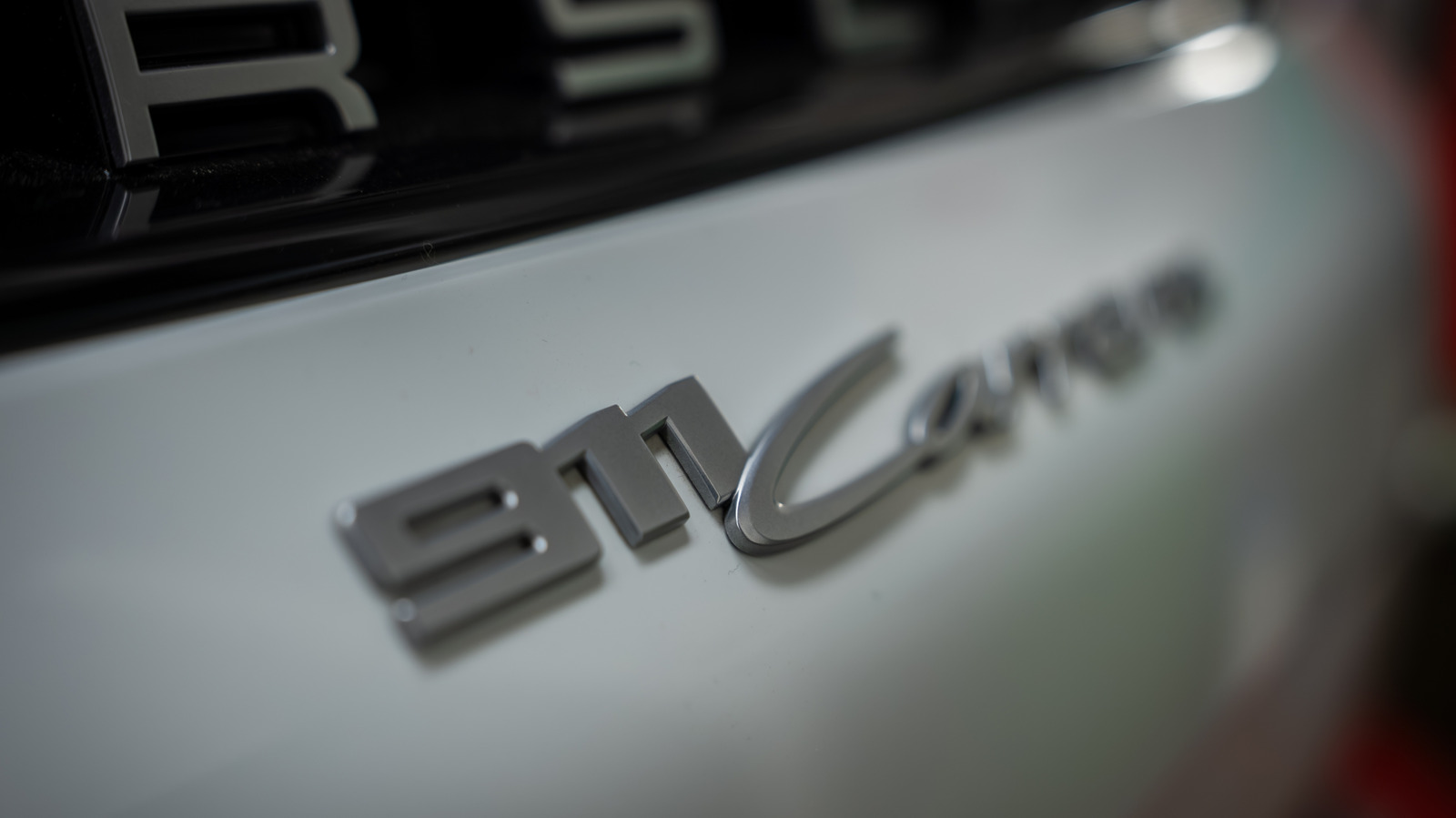
Porsche’s three-digit naming convention can be perplexing for those unfamiliar with the brand. While the iconic Porsche 911 is well-known, it is not the sole model in the 900 series. The company makes things more intricate by also assigning chassis codes that begin with “9.” As a result, enthusiasts might compare the 997 to the 996 and 991, referring to three distinct variations of the 911. A helpful rule is that any model labeled as 911 is a two-door, rear-engine sports car.
Why did Porsche start using the 911 name?
The 356 was Porsche’s first production vehicle, but the company had been assigning consecutive numbers to its projects since its inception in 1931. Each project, whether an engine or a water pump, received a sequential designation. Since the 356 was the 356th project, it got that number. Later, as Porsche’s cars gained popularity, the need for a new model arose while still adhering to the three-number system.
To maintain a good relationship with Volkswagen, with whom Ferdinand Porsche previously worked, Porsche avoided using numbers that might conflict with VW’s lineup. Choosing from the unused 900-series, Porsche initially named the new model 901 and showcased it at the Frankfurt Motor Show in 1963. However, Peugeot asserted its rights over any three-digit name with a zero in the middle. Consequently, Porsche changed the “0” to a “1,” resulting in the iconic 911 name, which also explains the emergence of the 912 following the revised naming system.
The 911 isn’t the only Porsche with 900-series names and internal chassis codes
The 911 is just one of several 900-series Porsches, including models like the 944, 924, 928, and 968. These are all front-engine, two-door, rear-wheel-drive sports cars. The 944 and 924 are equipped with four-cylinder engines, while the 928 and 968 have eight-cylinder engines, adding some consistency to their names. Additionally, the Porsche 914 was a mid-engine, four-cylinder sports car from the 1970s, although the reasoning behind its name is less clear.
Porsche also diversifies its nomenclature by incorporating actual words in some model names, like the Boxster, Cayman, Cayenne, Panamera, and Macan. Furthermore, the “718” attached to the latest Boxster references Porsche’s famous mid-engine racing prototype from 1957.
While the multitude of three-digit names may feel overwhelming, understanding their origins simplifies the situation. Interestingly, Porsche’s naming conventions aren’t the most eccentric; that title belongs to the brand’s labeling of its high-end electric models as “Turbo.”
