



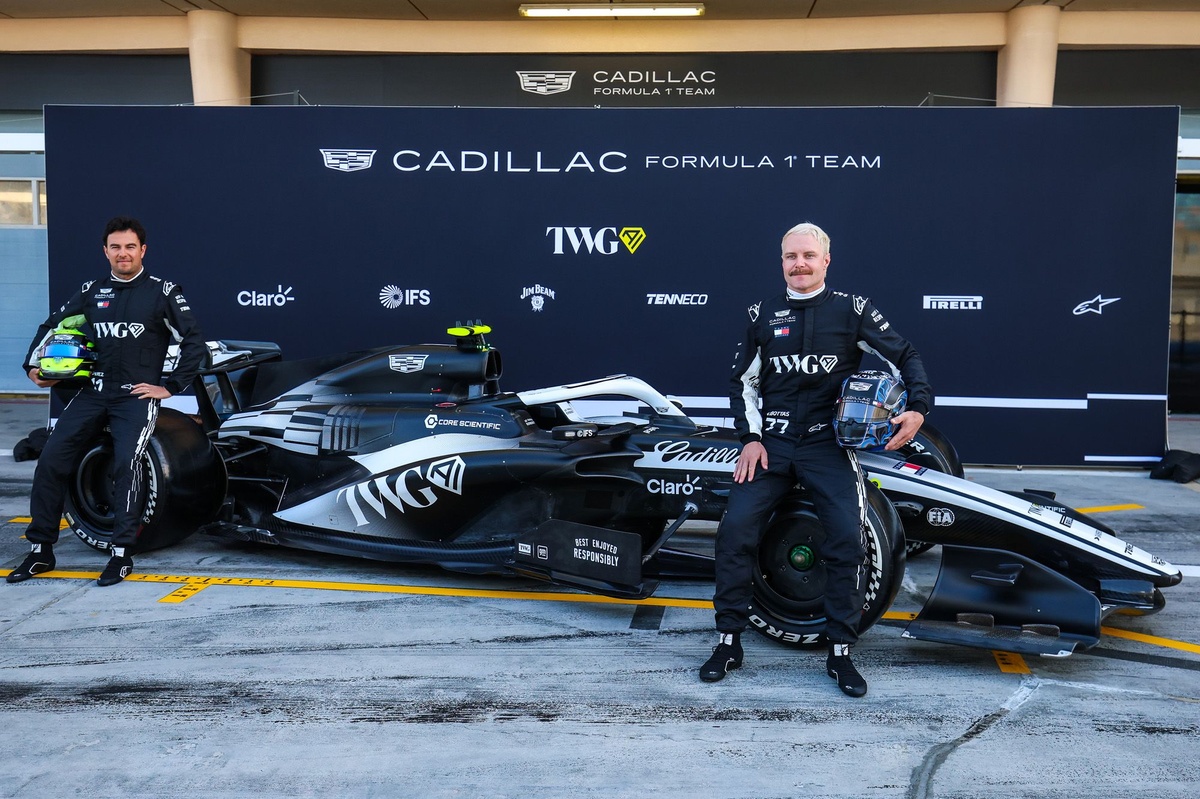
Cadillac’s journey to joining Formula 1 as its 11th team has been a long and widely covered saga, commencing well before its official approval in March 2025.
Initially, the American brand aimed to partner with Andretti Global for its entry, but this proposal was turned down, as Formula One Management felt it wouldn’t enhance the sport.
This rejection led to rising tensions between F1 and Michael Andretti, who was determined to challenge the decision but eventually withdrew from the initiative.
Following this, a new proposal was submitted, spearheaded by Dan Towriss’s TWG group, which successfully secured entry for the Cadillac F1 Team to compete starting in 2026.
Defining Success
As Cadillac prepares for its debut season, following pre-season tests in Barcelona and Bahrain, the team must consider what success will look like in its first year. Historical context reveals the significant challenges faced by organizations entering F1; teams like Lotus/Caterham and HRT quickly exited after scoring only three points collectively. For F1 to allow a new team, it has to demonstrate potential sustainability, a prime focus for Cadillac.
“It’s a significant challenge to anticipate beating established competitors,” remarked team principal Graeme Lowdon. “Current teams possess over a decade of experience. During the Bahrain tests, Cadillac struggled against Aston Martin to avoid finishing last, with both teams frequently facing issues that limited their performance.”
Aiming for Development
While Cadillac’s car currently falls short on downforce—expected given the experience gap with its rivals—team officials are optimistic about mid-season development. Engineering consultant Pat Symonds expressed confidence in Cadillac’s robust development plans under the budget cap, suggesting noticeable improvements will be evident by the Melbourne opener.
With veteran drivers Sergio Perez and Valtteri Bottas, both familiar with championship-level machinery development, Cadillac is poised to leverage their insights for swift progress. Bottas indicated that a successful year means showing clear advancement despite a tough start.
Building Recognition
Ultimately, the crux of Cadillac’s success lies in gaining the respect of other teams, as Symonds highlighted. Positive feedback from competing teams about Cadillac’s operational setup during pre-season tests indicates early signs of acceptance. With a commitment to creating a professional image, Cadillac aims to solidify its place in the F1 landscape in a manner that sets it apart from past unsuccessful entries.
As Cadillac paves its path to independence by planning for in-house power units by 2029, the organization is focused on cultivating a stronger foundation in Formula 1. Lowdon asserted that the organization has been methodical in problem-solving and is grounded in the understanding of the sport’s complexities, ensuring that their ambition is realistic yet boldly defined.
