



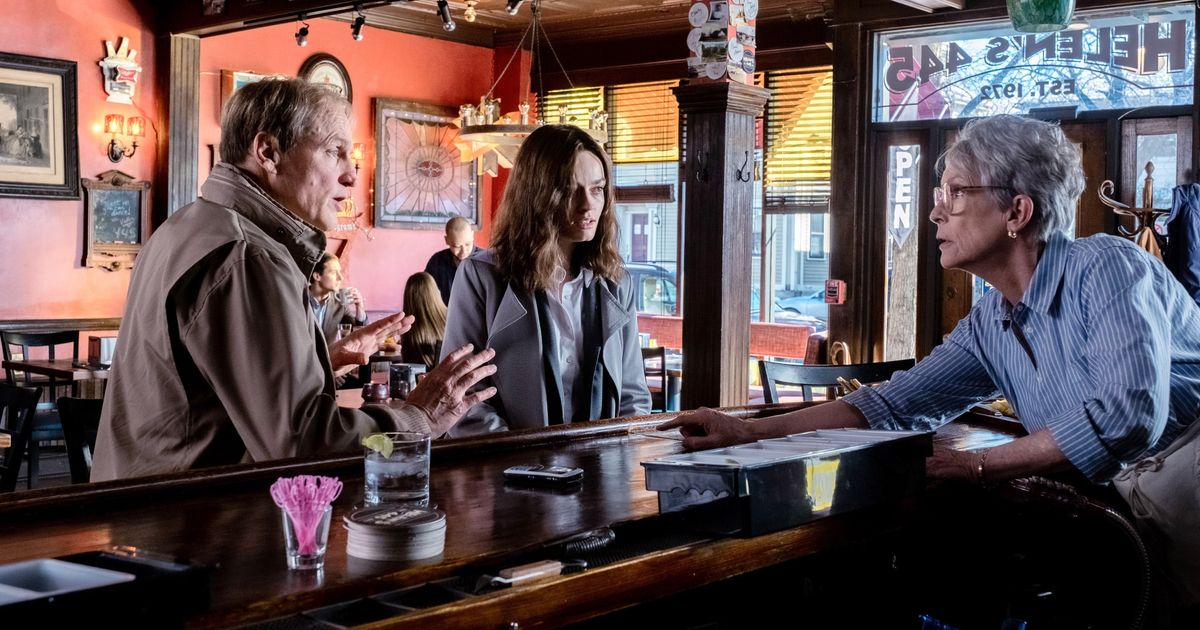
Photo: Claire Folger/20th Century Studios/Everett Collection
Introduction to Ella McCay
I find myself raving about Ella McCay to everyone, whether I mean to or not, despite its oddity. The film is truly exceptional in the sense of “Can you believe that happened?” This new release from James L. Brooks, his first in 15 years, is one that clearly requires viewing firsthand. Despite the acclaim of its creator, known for shows like The Simpsons and films like Terms of Endearment, Ella McCay feels like a piece of outsider art, missing conventional narrative structure altogether. It tries for a screwball comedy tone but ends up somewhere perplexingly alien, leading you to wonder about the characters’ reality.
A Closer Look at the Characters
While the film primarily follows Ella, a 34-year-old lieutenant governor played by Emma Mackey, there is an excessive subplot featuring her younger brother Casey (Spike Fearn). This storyline encapsulates the film’s tonal imbalance, as Casey, a brilliant MIT graduate, has isolated himself for months since the end of a relationship. His misguided approach to reconnecting with his ex, Susan, includes an off-putting visit that seems deeply surreal. Remarkably, upon his arrival, Susan is receptive—despite the absurd situation—leading to her agreeing to his proposal to be exclusive once more.
Tonal Dissonance Throughout
Several elements intended to be quirky and fun fall flat in their execution, contributing to a sense of strangeness rather than humor. For example, the film oddly refrains from naming the well-known New England setting, ignoring the fact it was shot in Rhode Island. Additionally, when Ella ascends to governor after a sudden vacancy, her husband’s cartoonishly selfish demands to be co-governor feel forced rather than humorous. The familial dynamics, particularly with her aunt and estranged father, also come off as jarring rather than heartfelt.
Compounded Narratives
The film also features various supporting characters, each introducing their own distractions. From Kumail Nanjiani as Ella’s love interest to Julie Kavner as her secretary, the narrative is cluttered and attempts to juggle too many threads. Ella McCay compresses what feels like a TV season’s plot into a single film, resulting in rushed storylines that often lack logical motivations. Brooks’ prior works occasionally illuminate this one, particularly with its blend of humor and poignancy, but here, coherence seems absent.
Brooks’ Unique Approach
At 85, Brooks has directed only a handful of films this century, with Ella McCay showcasing a discernible theme, albeit with muddled execution. The story revolves around a woman whose overzealousness in politics makes her a less appealing candidate—a parallel to how people perceive her. Channeling aspects of Lisa Simpson, Ella’s experiences reflect both a political dedication and a struggle against overwhelming societal expectations, echoing themes tied to Hillary Clinton. The film offers a poignant portrayal of a woman grappling with her ambitions amidst a patriarchal backdrop.
Conclusion
In sum, Ella McCay stands out for its unique yet flawed narrative, encapsulating complex themes wrapped in a disjointed execution. Rising to the surface is a mystical sense of nostalgia for an alternate reality, where the main character embodies desires unmet and challenges not just political but personal.
