



Reflections on the 2018 U.S. Open and Future Challenges
Testing the Limits of Golf Challenges
Joseph LaMagna: Brendan, I’d like to explore how early we should start discussing next year’s U.S. Open. Before this year, I believed Oakmont would be a crucial test for whether today’s professional golfers face genuine challenges. I’m not referring to a “demanding yet fair” setup; I mean a tournament that truly tests the best golfers, pushing them to their limits. Unfortunately, heavy rains in Pittsburgh this June prevented us from seeing if the USGA and Oakmont could deliver a week like that.
Shinnecock Hills: A Memorable Site
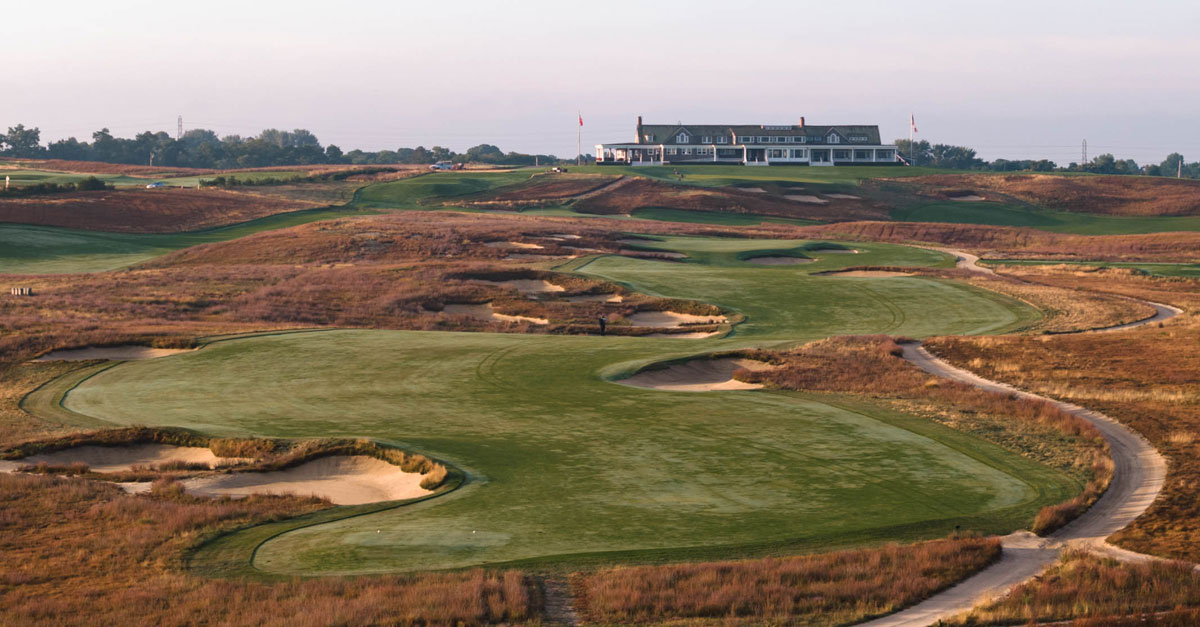
Next year’s U.S. Open is set for Shinnecock Hills, where professional players last experienced intense frustration during a major tournament. The first-round scoring average in 2018 was 76.5— the highest in the last quarter-century and the only one surpassing 75 in the last 15 years.
Memorable Moments from 2018
Many will remember the notorious incident with Phil Mickelson on the 13th hole and his apology that followed. Zach Johnson’s declaration that the USGA had lost control of the golf course is even funnier in hindsight. “Uh, no, we’re not on the edge… we’ve surpassed it,” illustrates his frustration.
The Players’ Struggles
Less remembered are Rory McIlroy’s 6-over start leading to an 80 and missed cut, or Jordan Spieth facing his first major championship cut in 14 tries. Jon Rahm finished 15-over across two rounds, and Michael Block’s score of 85 typified a day when even top players struggled tremendously.
The Evolution of U.S. Open Setups
I argue that the 2018 U.S. Open was the last true test for golfers. With constraints on pace-of-play, the necessity to accommodate 156 players, and the USGA’s sensitivity to complaints, it may mark the end of an era. The upcoming U.S. Open at Pinehurst No. 2 is set to be a modern challenge: intricate yet controlled, never straying into chaos.
Looking Ahead
Brendan Porath: It’s always timely to reflect and anticipate future tournaments. The 2018 U.S. Open generated countless memes and discussions, marking the start of a new age of U.S. Open management. The events surrounding Mickelson’s moving ball incident triggered debates about the fairness and difficulty of the courses.
The Shift in Tournament Dynamics
While the USGA may have appeared to lose its resolve, it has adapted to modern advancements in technology that complicate setting challenging yet playable courses. Even as U.S. Opens has continued to provide commendable tournaments with worthy champions, some wonder if the true essence of golf has faded when players don’t leave the course bewildered. As we anticipate future challenges, we should reflect on what it means to truly test our elite golfers.
