



Formula One’s Challenging Start This Season
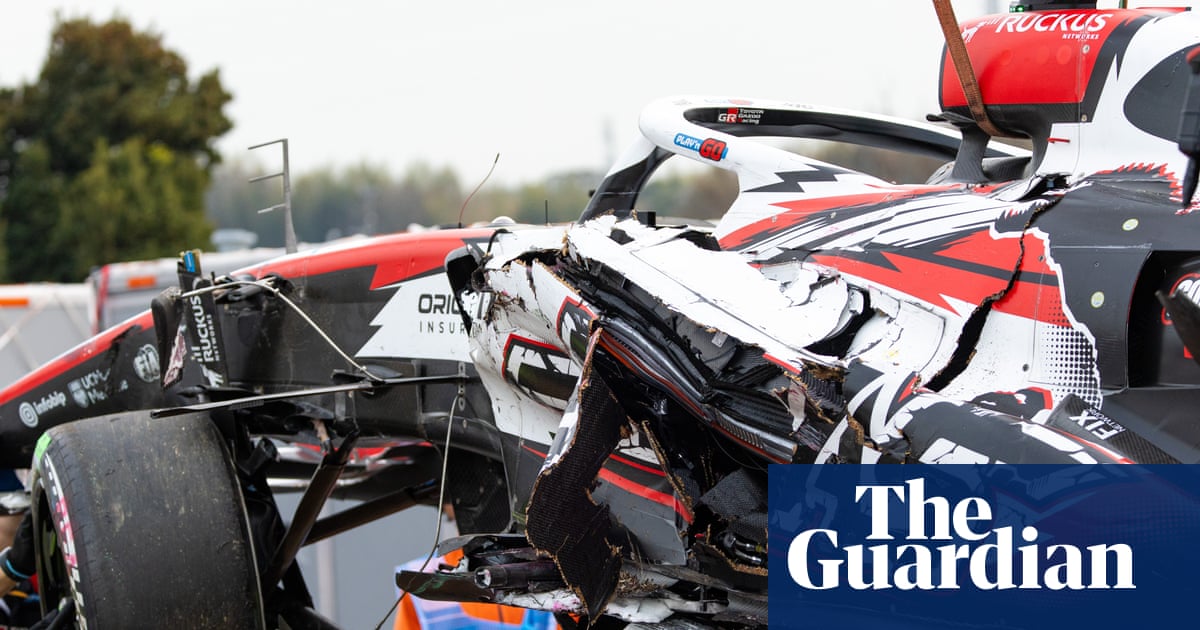
This season, Formula One has faced a rocky beginning amidst new regulations, with drivers expressing dissatisfaction and safety concerns brought to light by a major incident at the Japanese Grand Prix. Three races in, there’s a chance for modifications, and Nikolas Tombazis, the key figure in this process, is optimistic that F1 will adapt effectively.
Nikolas Tombazis: A Central Figure
Nikolas Tombazis, the single-seater director for the FIA, has been with the organization since 2018. Since the early discussions on the 2026 regulations in January 2021, he has played a critical role in their development. He believes that the reaction surrounding the new rules has been exaggerated.
Assessing the Situation
Tombazis described the need for changes as minor, comparing it to healthy lifestyle adjustments rather than requiring drastic surgery. “The patient isn’t in intensive care; it just needs to eat a few apples a day,” he noted, acknowledging that both drivability and safety are areas needing attention.
Mixed Reactions from Drivers
While some drivers, like George Russell and Lewis Hamilton, have shown acceptance of the new energy management formula, others like Lando Norris and Max Verstappen have been vocal about their frustrations, highlighting how the management of electrical energy impacts their performance.
Addressing Safety Concerns
The significant crash involving Oliver Bearman raised major safety concerns linked to varying car speeds. Tombazis emphasized the importance of careful analysis before implementing changes to avoid creating additional issues. “Safety is our top priority,” he stated.
Upcoming Discussions on Adjustments
This month, discussions between the FIA, teams, power-unit manufacturers, and FOM are underway to evaluate the first three races and propose potential changes. A series of meetings are scheduled, culminating in a decision by senior representatives before the Miami Grand Prix on May 3rd.
Looking Forward
Tombazis is hopeful for a constructive dialogue among all parties, aiming for solutions that balance safety with the required changes. While the outcome may not satisfy everyone, there is optimism for a successful resolution before tackling the more complex discussions for 2027.
