



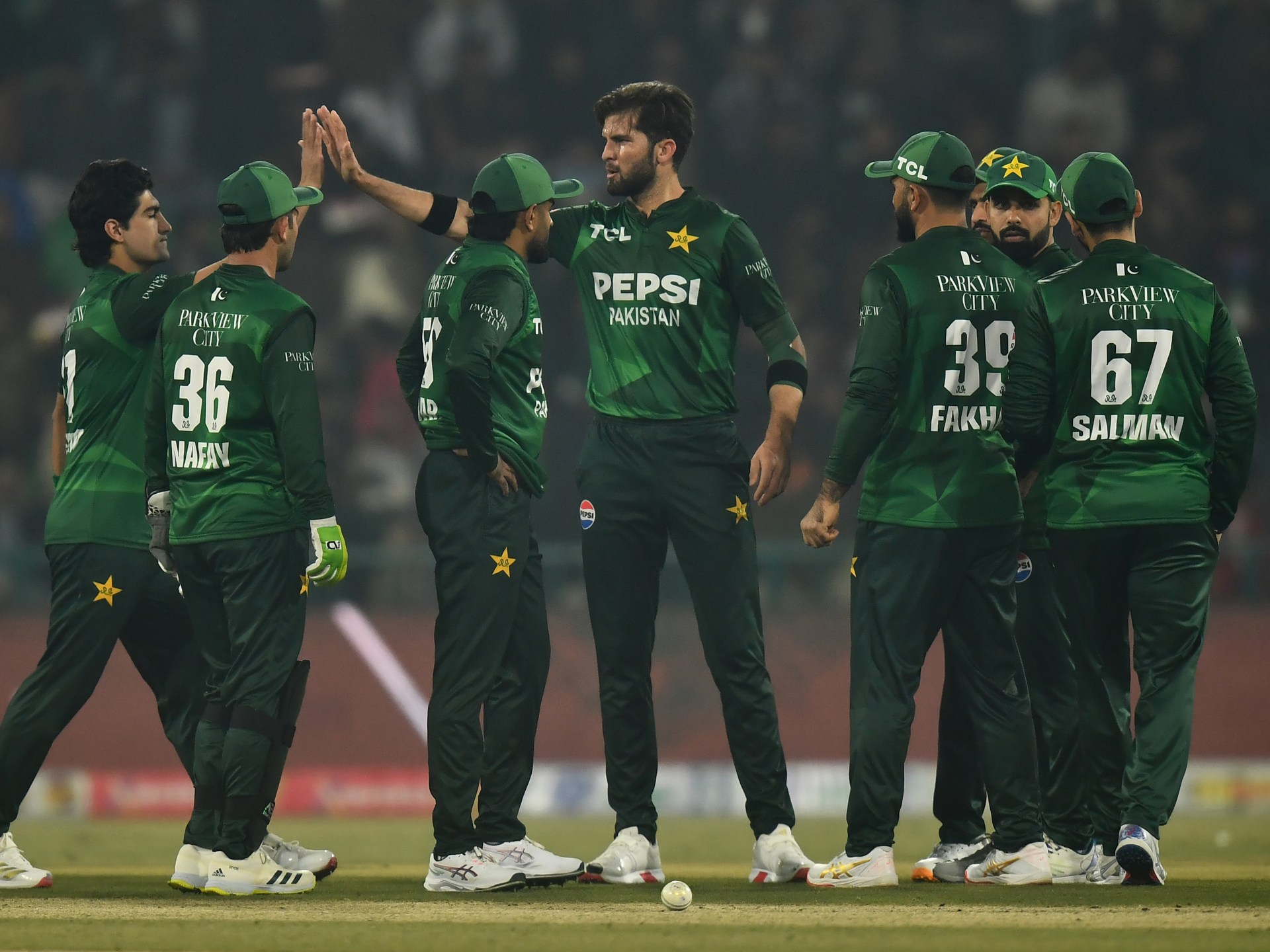
Pakistan’s government has confirmed that the country will boycott its match against India in the Twenty20 World Cup, while still participating in the rest of the tournament.
No official reason has been provided by Pakistan for their withdrawal from the February 15 match. However, Mohsin Naqvi, Pakistan’s interior minister and chairman of the Pakistan Cricket Board (PCB), attributed blame to India for recent attacks in Balochistan that resulted in the deaths of at least 31 civilians, 17 security personnel, and 145 fighters.
What Happened in Balochistan?
On Saturday, armed individuals initiated a series of coordinated assaults on police stations in Quetta and other areas of Balochistan. These attacks are reported to be the deadliest in the province in decades, claiming nearly 200 lives, predominantly fighters. The Balochistan Liberation Army (BLA), a banned group, took responsibility for these attacks, which involved military and police targets across nine districts in the region.
Escalating Tensions Over the World Cup
Moreover, the boycott is accompanied by rising tensions between Pakistan and India over a recent decision by the International Cricket Council (ICC) to exclude Bangladesh from the World Cup, replacing them with Scotland. Bangladesh’s request to shift its matches from India to Sri Lanka due to security concerns was denied, leading to criticism of the ICC’s handling of the situation.
Impact on the World Cup
The boycott means that the anticipated India-Pakistan match—historically the most viewed—will not take place, possibly resulting in a significant drop in viewership. In 2021, the match attracted a record 167 million viewers, making it an essential advertising opportunity during the World Cup.
What This Means for Pakistan
Consequently, Pakistan will forfeit two points in the group stage, which will automatically benefit India. With two points awarded for each victory, Pakistan faces increased pressure to perform well in their remaining matches to advance.
Future Consequences
Since 2012, Pakistan and India have not engaged in bilateral cricket, meeting only in multination events. A deal struck last year prevents the two countries from competing on each other’s soil during ICC events, favoring neutral venues. Pakistan’s boycott could set a precedent for similar actions by India in future tournaments.
