



Hope Amidst Despair
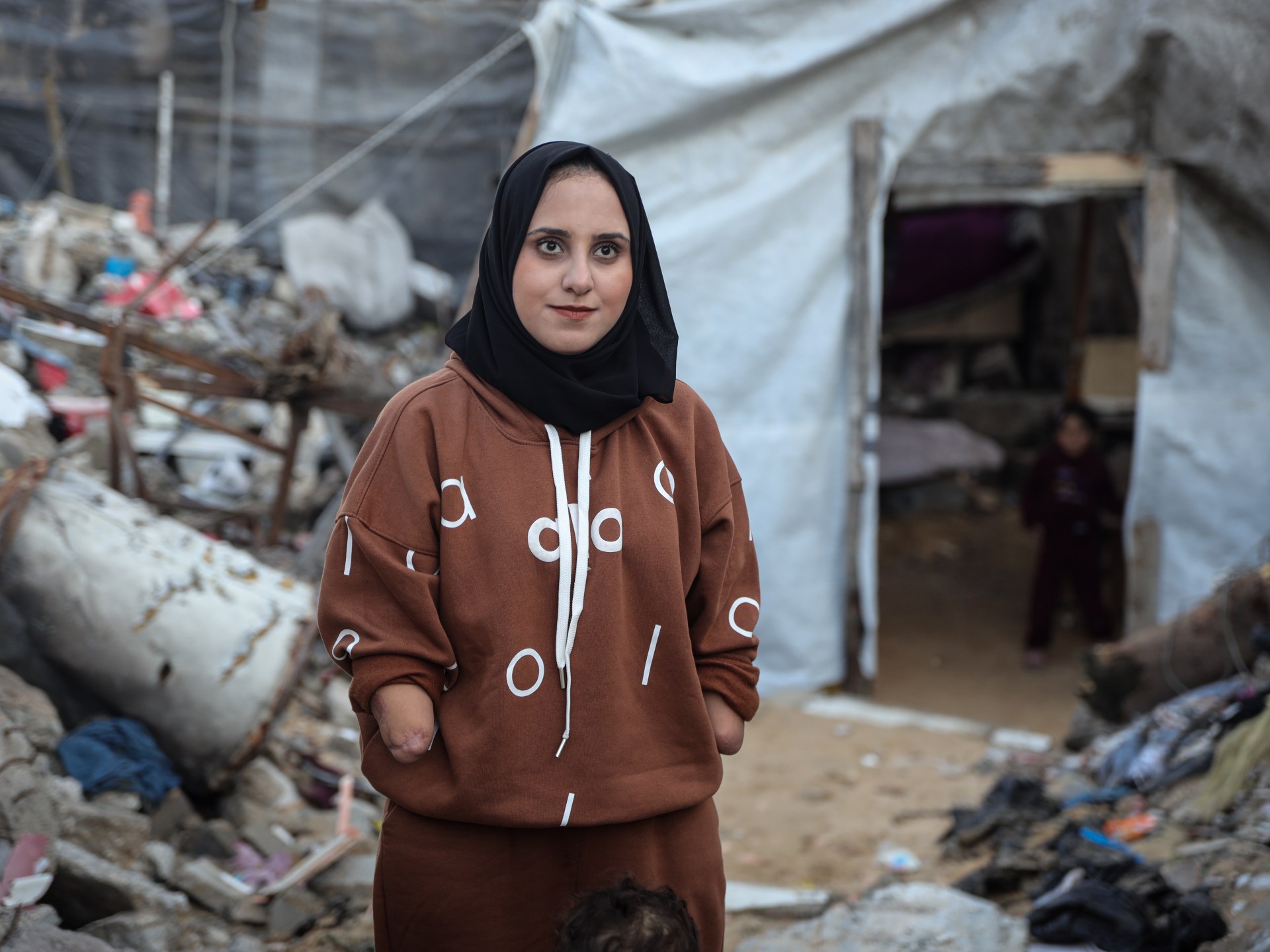
Gaza City – Nebal al-Hessi, despite her wounded forearms, uses her phone to stay updated on the reopening of the Rafah land crossing from her family’s tent in an-Nazla, Jabalia, located in northern Gaza. Her hands were amputated following an Israeli artillery strike on the house where she sought refuge with her husband and daughter in the Bureij refugee camp on October 7, 2024.
Yearning for Medical Treatment
More than a year has passed, and the 25-year-old mother is among countless injured individuals hoping for the Rafah crossing’s reopening to secure necessary medical care outside the besieged region. “It’s been a year and five months since I was injured… I think about tomorrow each day, but I’m uncertain,” she expresses to Al Jazeera softly.
The Day of the Attack
Nebal recalls the incident vividly; she was on her bed with her baby daughter, Rita, attempting to contact her family when the shell struck. “I was trying to catch an internet signal… then a shell hit. Dust engulfed me, and I don’t recall anything else,” she reflects, devastated.
Facing New Realities
After enduring serious injuries—complete amputation of both arms at the elbows, internal bleeding, and a leg injury—she spent about 40 days in the hospital. Now residing in a displacement tent, she lacks basic long-term medical support. “I struggle with everyday tasks; even getting dressed requires help,” she shares, her sorrow palpable.
The Pain of Motherhood
Nebal laments the challenges of motherhood she can no longer fulfill, watching her daughter grow without the ability to hold or care for her. “My little girl wants my help… she asks me, but I can’t,” she mourns, concluding that her existence feels entirely paralyzed.
Uncertain Future for Patients
Despite urgent calls from medical organizations about potential travel, Nebal remains anxious, fearing her needs will again be ignored. “Every day, I feel like I perish a little more… I’ve been in this state for over a year,” she adds, encapsulating the despair of countless others similarly affected.
Struggles of Other Patients
16-year-old Nada Arhouma, also seeking medical care due to severe injuries sustained during the ongoing conflict, shares a similar longing for the crossing’s opening. Her father, Abdul Rahman, expresses frustration at the delays in treatment, leaving the family in a state of helplessness. “The hope for my daughter’s recovery feels elusive,” he remarks.
