



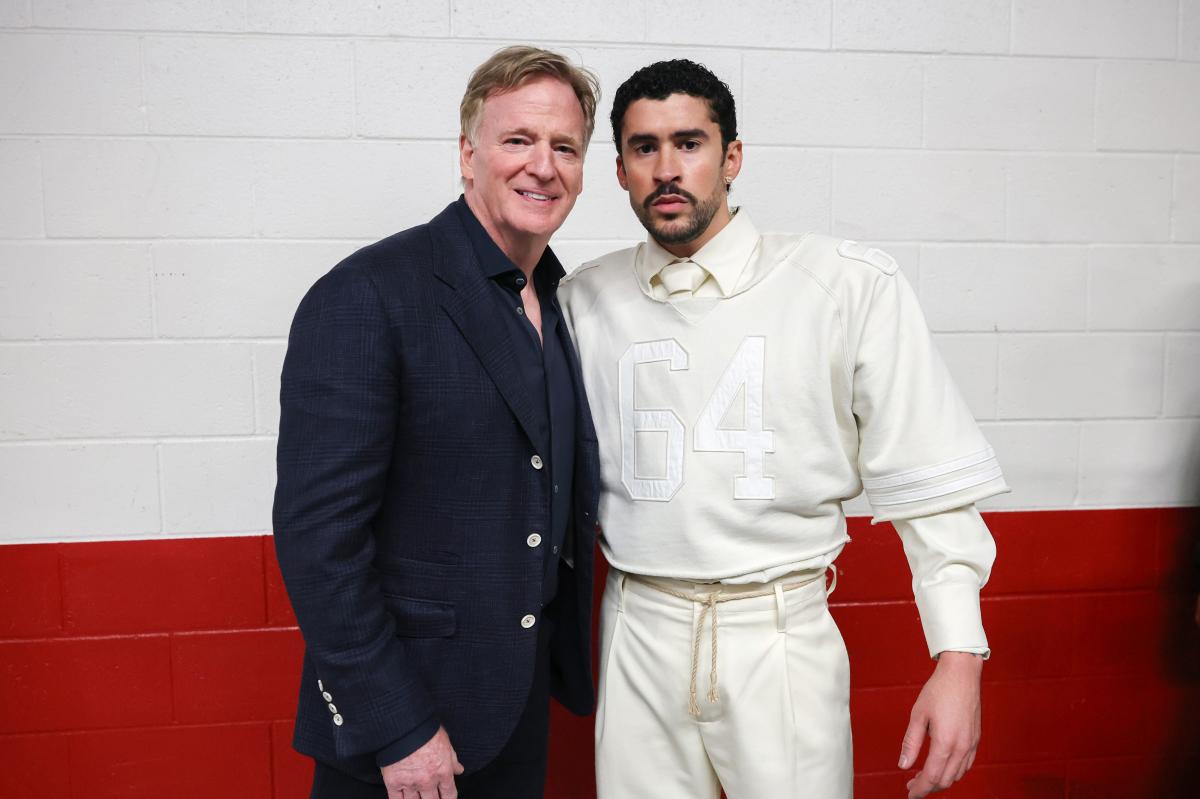
They’re all useful fools.
This might reflect Roger Goodell’s view of the average NFL fan, especially as he forced them to endure Bad Bunny’s Super Bowl halftime performance — a controversial display that unsettled many parents and likely pleased more progressive observers.
Goodell may have a point. The typical NFL fan, often right-leaning, male, and sometimes a Trump supporter, seems willing to endure leftist narratives.
The Bad Bunny incident appears to highlight the NFL’s broader, cynical strategy. The league seems to think that working-class white men who supported Trump — those so-called useful fools — will tolerate a lot of nonsense due to their addiction to football.
At the same time, Goodell and his marketing team are leveraging this loyalty to promote more inclusive messaging aimed at transforming their fan base. According to one sports industry insider: “Goodell thinks he needs to broaden his audience with all this progressive messaging. It’s fundamentally about profit for him.”
While growth is crucial in business, venturing into leftist messaging has shown to be risky. For instance, Bud Light attempted to shift away from its traditional consumer base and faced severe backlash, leading to a drop in sales from the top position to third place — a position it has not recovered from.
Anti-Trump Narratives
This year’s Super Bowl showcased a rapper
Despite the irony, this multibillion-dollar enterprise has seen continuous growth in ratings and profits. How do the NFL and Goodell manage this? Many within the sports business suggest that Goodell doesn’t entirely subscribe to the idea that “go woke, go broke.”
Goodell’s team believes they alone provide the intense sports experience that hard-core football fans seek. Many fans appreciate the game’s controlled aggression, the camaraderie, and a sense of belonging, which they find lacking in other sports.
As the NFL ramps up engagement with tactics like sports gambling, which can lead to significant personal crises, they’re adding to the addictive nature of following the sport. This environment keeps especially young men captivated even as they encounter progressive themes.
While they are engrossed, the NFL is also exploring ways to attract a more diverse fan base, my sources indicate. This includes appealing to women, who may lean left and support social justice initiatives, as well as reaching into Latin America. Bad Bunny’s performance highlighted this Pan-American approach, showcasing flags from various South American countries.
Will this strategy pay off long-term? It remains uncertain. Americans can be discerning, and they dislike feeling manipulated. Recent data shows that while the Super Bowl attracted a record 137.8 million viewers during the second quarter, viewership plummeted during Bad Bunny’s performance, indicating that the NFL may face challenges ahead. Even in their current strong position, going woke could still lead to financial decline.
