



Sure! Here’s a paraphrased version of the article in HTML format:
<div>
    <h1>Government Modifies Inheritance Tax on Farmland</h1>
    <p><strong>By Kate Whannel, Political Reporter</strong></p>

    <figure>
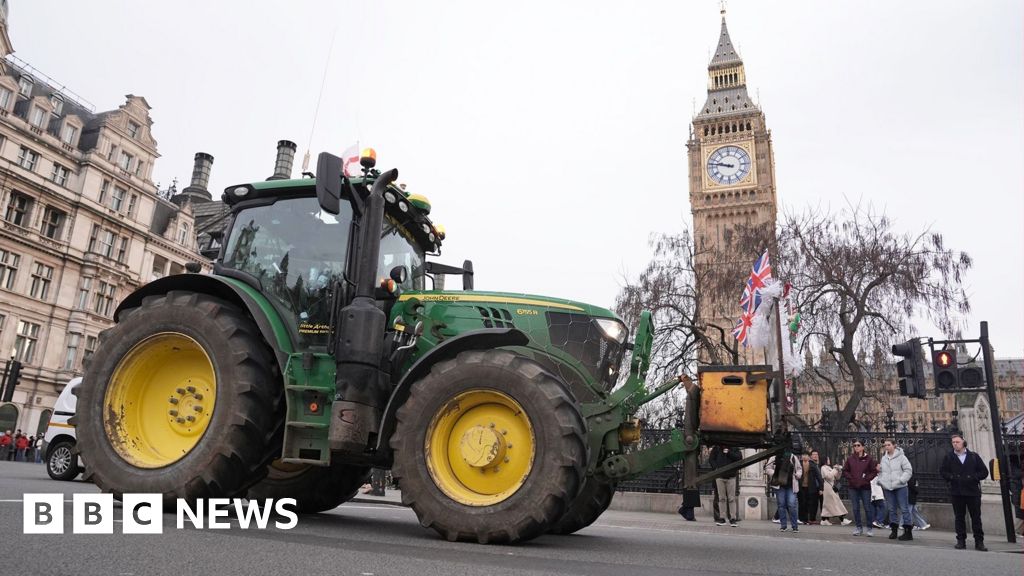
        <img src="https://ichef.bbci.co.uk/news/480/cpsprodpb/9a68/live/122654e0-dffc-11f0-a8dc-93c15fe68710.jpg.webp" alt="A tractor near the Elizabeth Tower, central London">
        <figcaption>Farmers protested against the changes again at last month's Budget.</figcaption>
    </figure>

    <p>The government has revised its proposals to tax inherited farmland, increasing the tax threshold from £1 million to £2.5 million.</p>

    <p>This adjustment comes after numerous farmer protests and concerns raised by some Labour backbenchers. Last year, during the Budget announcement, ministers indicated that a 20% tax would be imposed on agricultural assets exceeding £1 million starting April 2026, thereby eliminating the 100% tax relief that has been in effect since the 1980s.</p>

    <p>Environment Secretary Emma Reynolds stated, "We have listened carefully to farmers nationwide and are implementing changes today to protect more ordinary family farms." She emphasized the need for larger estates to contribute more while supporting the smaller farms that are central to rural communities.</p>

    <p>Tom Bradshaw, leader of the National Farmers' Union, commended the government's decision, noting it alleviates pressure on many family farms. Gavin Lane, president of the Country Land and Business Association, acknowledged the government's recognition of the initial policy's flaws, though he argued that the changes fail to entirely eliminate the issue, as many family businesses may still find the tax burdensome.</p>

    <p>In the past 14 months, farmers have consistently protested outside Parliament regarding this initiative. Some Labour MPs from rural constituencies have also expressed apprehension, with a parliamentary vote witnessing abstentions and dissent from backbenchers.</p>

    <p>In her latest Budget announcement, Chancellor Rachel Reeves initially introduced plans to reverse the longstanding 100% inheritance tax relief on agricultural assets. This would have levied a tax on inheritance exceeding £1 million at a rate of 20%, projected to generate approximately £520 million annually by 2029. The government has since increased the threshold and provided exemptions for spousal transfers, allowing couples to transfer up to £5 million without tax obligations.</p>

    <p>While the government's alteration is perceived as a retreat from their original plan, it reflects a broader trend of policy reversals since their election in July 2024, including earlier adjustments to cuts on winter fuel payments and welfare budget reductions.</p>
</div>
This maintains the core information while reformulating the text appropriately.
