



In the extensive history of Formula 1, evolving technologies have frequently reshaped the sport. However, changes to both chassis and powertrain regulations rarely occur simultaneously. The upcoming 2026 regulations challenge this norm, as they integrate aerodynamic design with revisions in powertrain and hybrid systems.
This new chapter—the electrification era or potentially the active aero era—introduces another shift in F1’s technical landscape. Thus, it seems prudent to reflect on previous critical milestones in the sport’s engineering evolution.
1961: Introduction of the 1.5-Litre Engine Formula
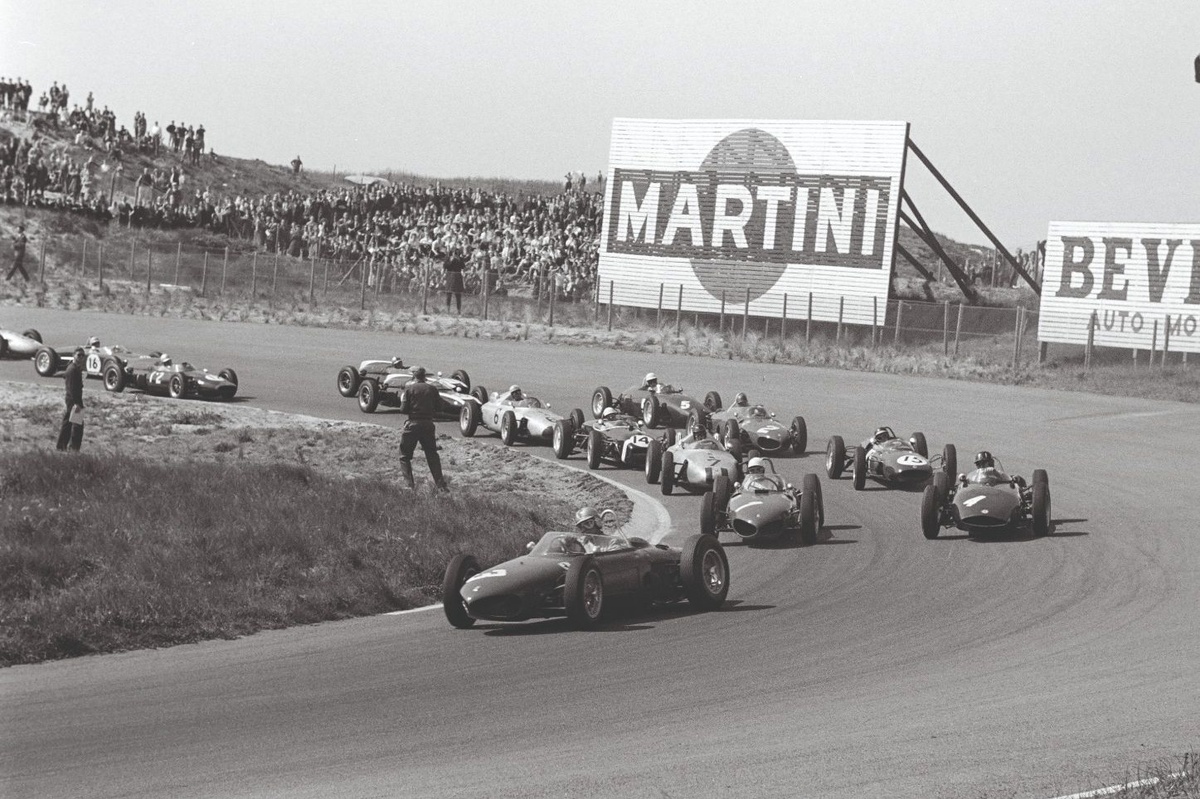
In late 1958, the announcement that Formula 1 would transition from 2.5-litre to 1.5-litre engines stirred significant dissent, primarily among the British and Italian teams, who largely comprised the constructors. The British teams believed they could overturn this ruling, which ultimately left them vulnerable while Ferrari quickly adapted a 1.5-litre V6 engine for the 1961 season.
Competing in the innovative ‘sharknose’ Ferrari 156, the team achieved remarkable success, clinching five victories from seven races. This led Ferrari to win the Constructors’ Championship and Phil Hill the Drivers’ title, boosted by the tragic loss of Wolfgang von Trips at Monza.
1983: Conclusion of the First Ground-Effect Era
After an unsuccessful attempt to regulate ground-effect aerodynamics in 1981, Formula 1 abolished the practice for 1983 due to rising cornering speeds and safety concerns. The flat floors mandated for this season minimized the risks associated with ground effects, leading teams to enhance reliance on wing designs for downforce.
This shift drove prominent teams like McLaren and Williams to adopt turbo engines, as the power deficit from the traditional Ford Cosworth DFV became increasingly unmanageable. Notably, flat-bottomed cars continued in F1 for the next 40 years.
1989: Ban on Turbocharged Engines
By the late 1980s, attempts to balance turbocharged and naturally aspirated engines through restrictions were deemed inadequate, leading to a ban on turbo engines starting in 1989. This change required all participants to use 3.5-litre naturally aspirated engines from that point, paving the way for various engine designs, including V10s and V12s.
1994: Prohibition of Driver Aids
In a bid to restore the driving challenge and reduce costs inflated by advanced technologies such as traction control and active suspension, the ban on driver aids came into effect. However, this transition was poorly managed, evidenced by Williams’ struggle with instability in its cars during the initial phase.
2022: Revival of Ground Effect
Originally set for 2021, the return of ground effect—aimed at improving on-track racing without DRS—was implemented in 2022 after a COVID-related delay. Initially, the new regulations created diverse aerodynamic solutions among teams, but also challenged them with issues like porpoising and bouncing due to the stiffness required in the cars. Red Bull quickly gained an advantage by lightening their car, while Mercedes struggled to adapt.
