



Hungary Blocks EU’s New Sanctions Package Against Russia
The European Union’s attempt to enforce its 20th sanctions package against Russia faced significant obstruction this week when Hungary exercised its veto. This setback does not necessarily signal the end of the conversation but could mark the beginning of a shift towards prioritizing peace in Europe.
Failure to Reach Agreement
During a tense EU Council meeting on February 23, leaders were unable to agree on new sanctions, prompting EU Foreign Policy Chief Kaja Kallas to express disappointment, especially as February 24 marks the anniversary of the war’s onset.
Hungary’s Historical Resistance
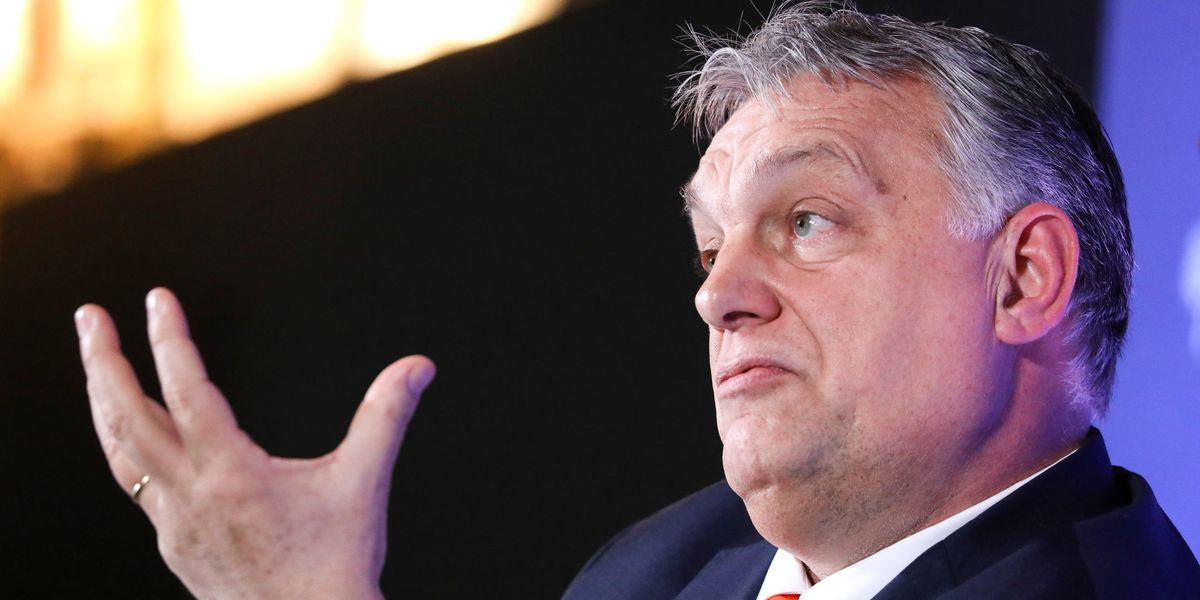
Hungary has previously been able to navigate collective decisions regarding Ukraine policy. For instance, in June 2025, Prime Minister Viktor Orban withdrew from an EU Council meeting to facilitate an agreement on extending sanctions against Russia. However, current tensions with Ukraine, particularly over oil, are contributing to Hungary’s resistance.
Continued Dependency on Russian Energy
Despite ongoing conflict, Europe has maintained its energy purchases from Russia, defying calls from former President Trump to halt such purchases. By October 2025, gas imports still represented 12% of Europe’s total energy consumption, with Hungary and Slovakia being the largest importers. Other Western European nations have kept buying Russian energy, revealing a challenging addiction to these resources.
Economic Consequences of Sanctions
As noted by Gladden Pappin of the Hungarian Institute for International Affairs, sanctioning Russian energy could drastically increase domestic prices for Hungary, leading to economic instability. Sanctions not only impact geopolitical relations but also have tangible effects on everyday citizens. Germany recently experienced a significant economic downturn, losing over 250,000 industrial jobs.
Growing Demand for Peace
Amidst rising desperation for peace in Europe, the ongoing conflict is framed as existential for Ukraine, leading them to urge Europe to intensify sanctions against Russia. Ukraine has even executed drone attacks on the Druzhba pipeline, which supplies oil to Hungary and Slovakia.
Repercussions for Hungary and Slovakia
In addition to blocking the sanctions package, Hungary and Slovakia have also stopped a €90 billion loan to Ukraine for its wartime efforts and threatened to cut off essential gas and electricity supplies. This has caused Ukrainian media to label these actions as energy blackmail.
Rethinking EU’s Sanctions Approach
After numerous rounds of sanctions, European leaders must question their effectiveness. Increasing new measures might inadvertently hinder peace negotiations rather than promote them. The EU’s latest sanctions are merely minor adjustments and have shown limited real impact on Russia’s economy, which continues to flourish.
